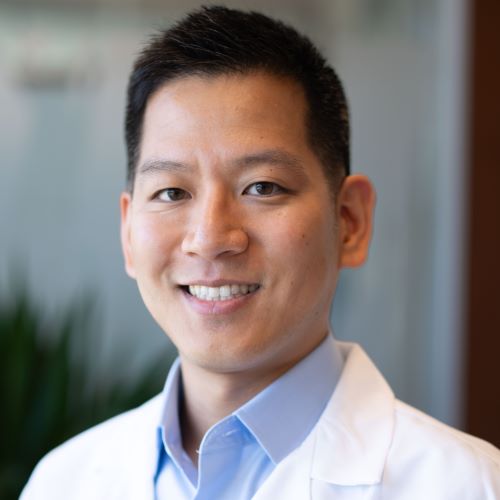
 Over the past two years, Dr. Annette Kim, Director of the Division of Genetics and Genomics (DGG), has been assembling a stellar team of scientists to advance Pathology’s expertise and testing, thereby better serving our patients. In 2024, she recruited Jaeseung Kim, PhD, as a clinical assistant professor in DGG (not related to Dr. Annette Kim).
Jaeseung grew up in South Korea. When he was entering high school, his family moved to Toronto, Canada. Upon graduating from high school, he attended McGill University in Montreal to complete a bachelor's degree in microbiology and immunology, and then pursued his master’s degree in genetics. “In my last two years of college, I was working with Dr. James Coulton on structures of bacterial proteins, one of which was involved in the transportation of cobalamin, also known as vitamin B12. This vitamin is present in small amounts in our bodies but plays crucial roles. Bacteria also require vitamin B12, and they have a specific mechanism for absorbing it.” One of the studies he was working on examined the human version of the protein involved in vitamin B12 metabolism, in collaboration with Dr. David Rosenblatt, a geneticist specializing in vitamin B12 metabolism. As Jaeseung neared graduation, unsure of what to do, Rosenblatt suggested that he pursue a master’s degree while working in his lab. A few weeks later, Jaeseung transitioned to the Rosenblatt lab. “That was my serendipitous introduction to human genetics.”
In the Rosenblatt lab, Jaeseung began studying very rare patients with inborn errors of vitamin B12 (cobalamin) metabolism. The year was 2010, and exome sequencing was a new and rapidly evolving technology. The lab had binders of unsolved patient cases who had biochemical but not genetic diagnoses. “We jumped into exome sequencing to see if we could find the genetic causes. We learned that a European group was working on a similar patient who also had a mutation on chromosome 14. Rather than compete to see who could publish first, we decided to collaborate on our research. That was my project. We found mutations in a gene called ABCD4, which we found to be the transporter of vitamin B12 from the lysosome into the cytoplasm, which no one had known before.” Jaeseung had found the cause of a novel cobalamin (cbl) deficiency, which is now known as cblJ.
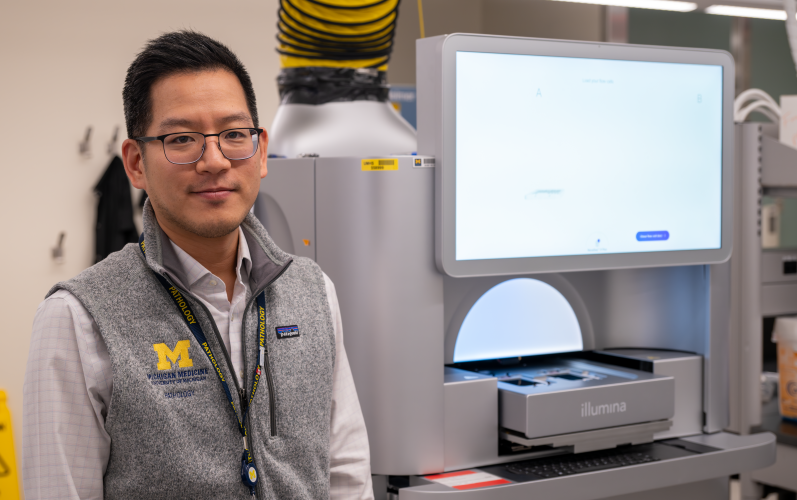 After completing his master’s degree, Jaeseung returned to Toronto for his PhD program in cancer genomics, studying the genomic and transcriptomic basis of BCR-ABL1 lymphoblastic leukemias. Afterwards, he went to Harvard for his Laboratory Genetics and Genomics fellowship. The LGG fellowship consisted of cytogenetics and molecular genetics components. “I was new to cytogenetics, but I thought it was fascinating, and I loved doing the karyotyping, FISH, and microarray studies. It was super fun!” The molecular genetics portion of his fellowship was spent learning a variety of molecular techniques, some of which he was familiar with, as well as variant interpretation skills. “In our field, we have constitutional genetics and cancer genetics, broadly speaking. Constitutional genetics focuses on the genetic diseases or conditions that people carry. Cancer genetics involves examining cancer cells to determine the mutations they have and inform diagnoses and treatment decisions. I was excited to be going through the LGG fellowship when the field was evolving so fast on all fronts.”
As he neared the end of his fellowship, Jaeseung began looking for his next career step. “Dr. Annette Kim had been at Harvard, even though we didn’t directly cross paths. However, I had heard a lot about her, and she has an outstanding reputation among those who have worked with her. When I saw her name and the University of Michigan on the posting in 2023, I had to apply and was fortunate enough to get this position.”
 Jaeseung joined our faculty in 2024 and is very pleased with his decision. “The lab facility here is fantastic. It is better than anything I have experienced before. Ann Arbor is great, too. I grew up in Toronto, and I feel that it is very similar in terms of climate and culture. I feel at home here, even though we didn’t have any family or friends in the area when we arrived. It also helps that we’re so close to home in Toronto.”
Now that he is on the faculty, Jaeseung spends much of his time signing out cytogentics and molecular genetics cases. One area that he finds exciting is that they are in the midst of validating whole genome sequencing for use in the clinical laboratory. “We are putting in a lot of time to validate the assay and provide a clinical whole genome sequencing test for our patients. We are finally nearing the end of that process, which has been exciting.” Jaeseung credits Dr. Annette Kim’s vision for pushing this assay to the finish line.
On the cytogenetics side of his work, the department recently completed a long-term project validating the optical genome mapping (OGM) technology. “This new tool will hopefully solve a lot of the cases we were previously unable to solve. It will do things that the other tests in cytogenetics cannot, such as providing greater resolution of structural variants and discovering rare gene fusions. In the cancer setting, this becomes an extremely valuable tool. In one assay, we can tell exactly how the chromosomes are rearranged to determine what is driving the cancer.”
He is looking forward to the introduction of additional new technologies in the future, once the WGS project is completed, as well as publishing some manuscripts. He is finding professional fulfillment in his role and particularly enjoys solving complex cases. “When we find this collection of puzzle pieces, and they all come together into a cohesive solution, that feels great. We can give patients their answers.” He also recently passed his board exams to become a Fellow of the American College of Medical Genetics and Genomics. He anticipates receiving his FACMG certification soon.
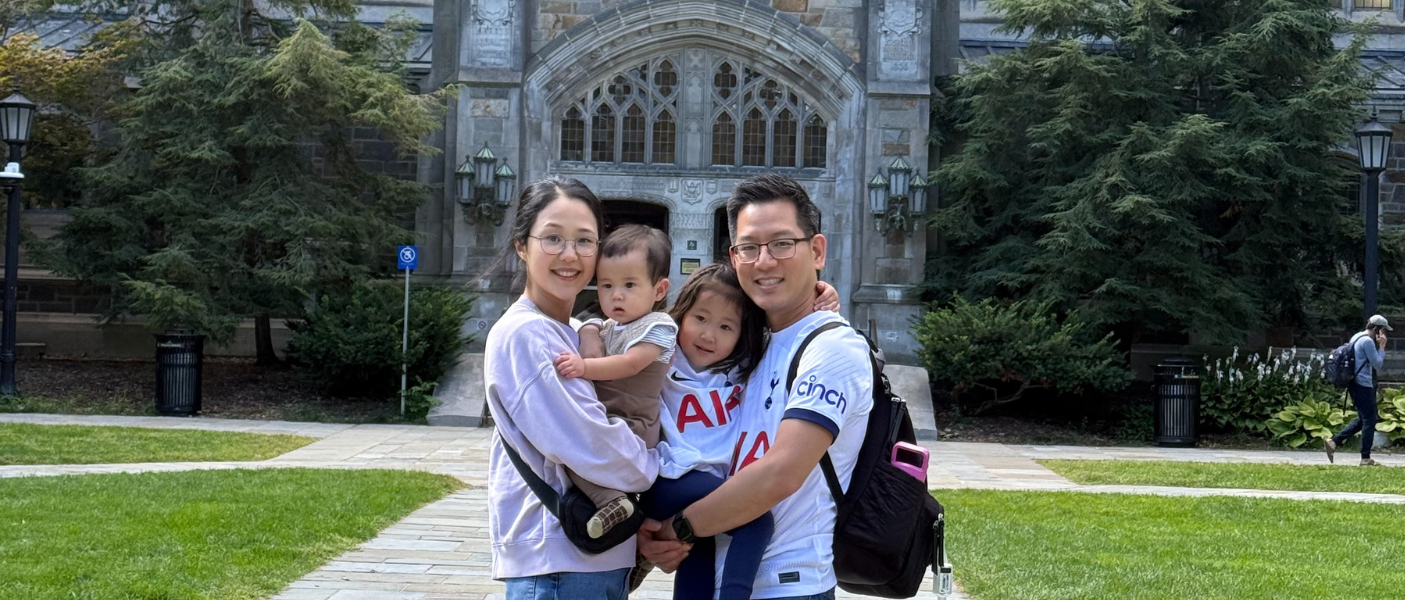
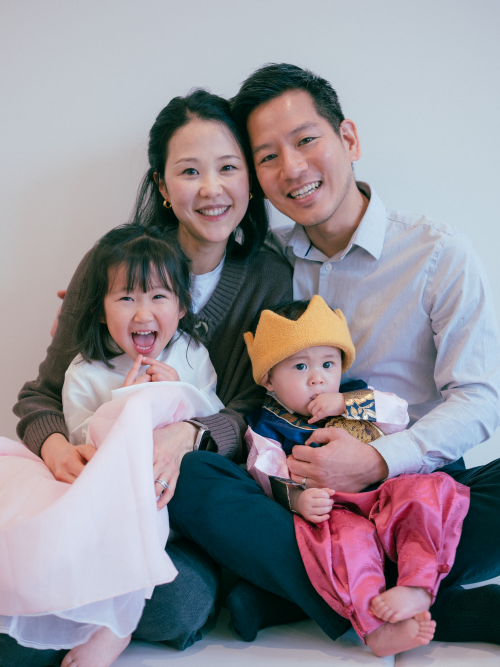
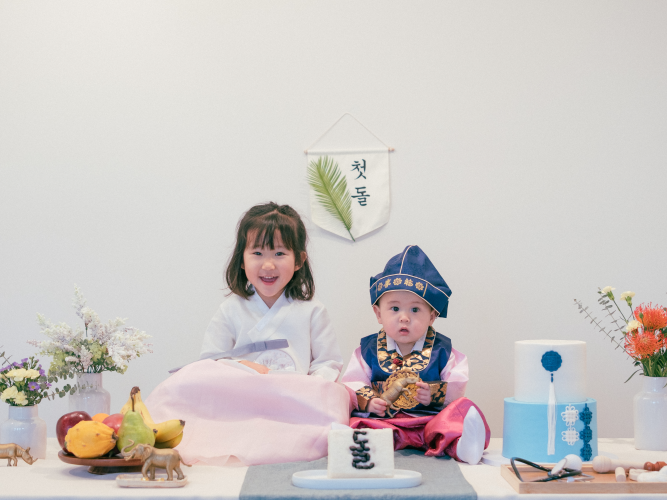 Personally, he enjoys spending time with his wife, Laura, and their two children, Kaylee and Myles. “In Korea, there is a traditional birthday party when children turn one year old, and Myles recently celebrated his first birthday.” The family enjoys outdoor activities; a favorite is visiting the zoo with the kids riding in the wagon. “With the colder weather, we have been spending more time indoors. We’ve been finding creative ways to have fun in the house.”
On a fun note, Jaeseung mentioned that he loves hip-hop music from the 2000s and 2010s. “I used to collect a lot of CDs, and I still have them in boxes somewhere. We have moved quite a bit in the last few years. My wife threatens to throw them out, but I won’t let her.” Since the birth of Kaylee, however, he has spent more time listening to Baby Shark, Paw Patrol, Frozen soundtracks, and recently, K-Pop Demon Hunter soundtracks. “They are all fantastic music too… but they’re not hip hop.”
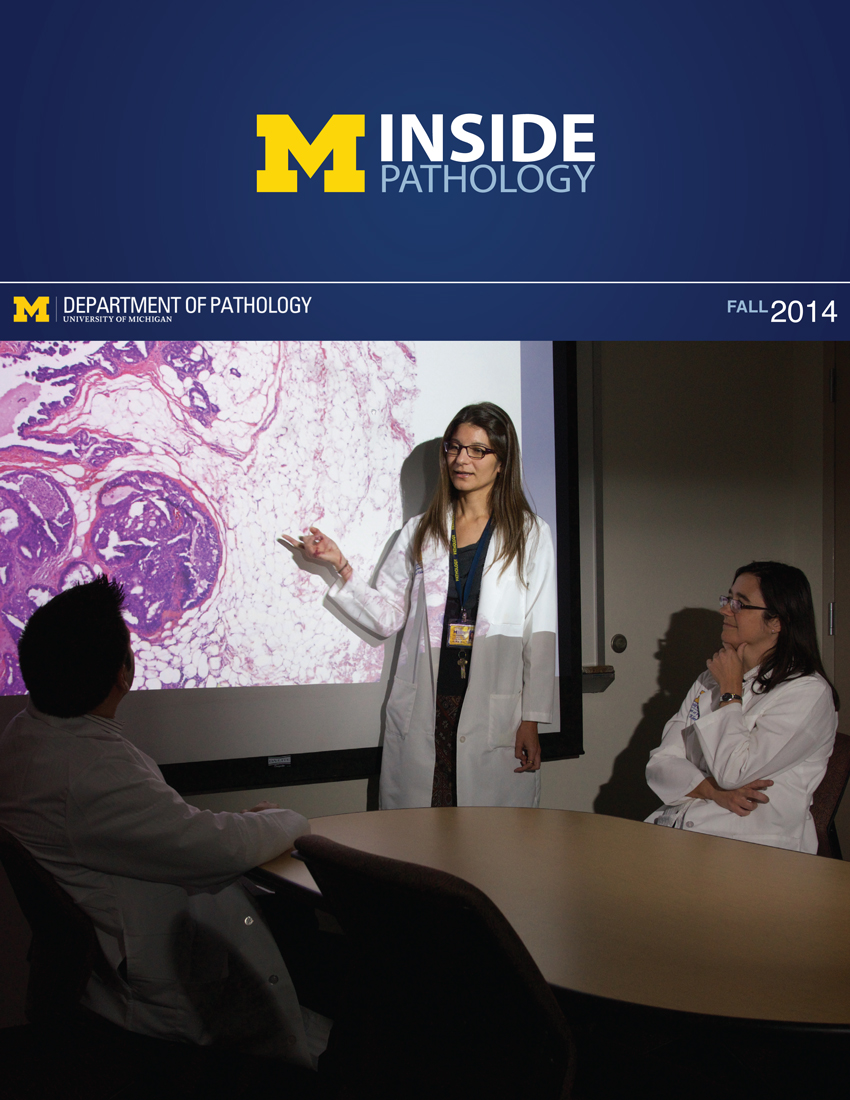 ON THE COVER
Breast team reviewing a patient's slide. (From left to right) Ghassan Allo, Fellow; Laura Walters, Clinical Lecturer; Celina Kleer, Professor. See Article |
newsletter
INSIDE PATHOLOGYAbout Our NewsletterInside Pathology is an newsletter published by the Chairman's Office to bring news and updates from inside the department's research and to become familiar with those leading it. It is our hope that those who read it will enjoy hearing about those new and familiar, and perhaps help in furthering our research. CONTENTS
|
 ON THE COVER
Autopsy Technician draws blood while working in the Wayne County morgue. See Article |
newsletter
INSIDE PATHOLOGYAbout Our NewsletterInside Pathology is an newsletter published by the Chairman's Office to bring news and updates from inside the department's research and to become familiar with those leading it. It is our hope that those who read it will enjoy hearing about those new and familiar, and perhaps help in furthering our research. CONTENTS
|
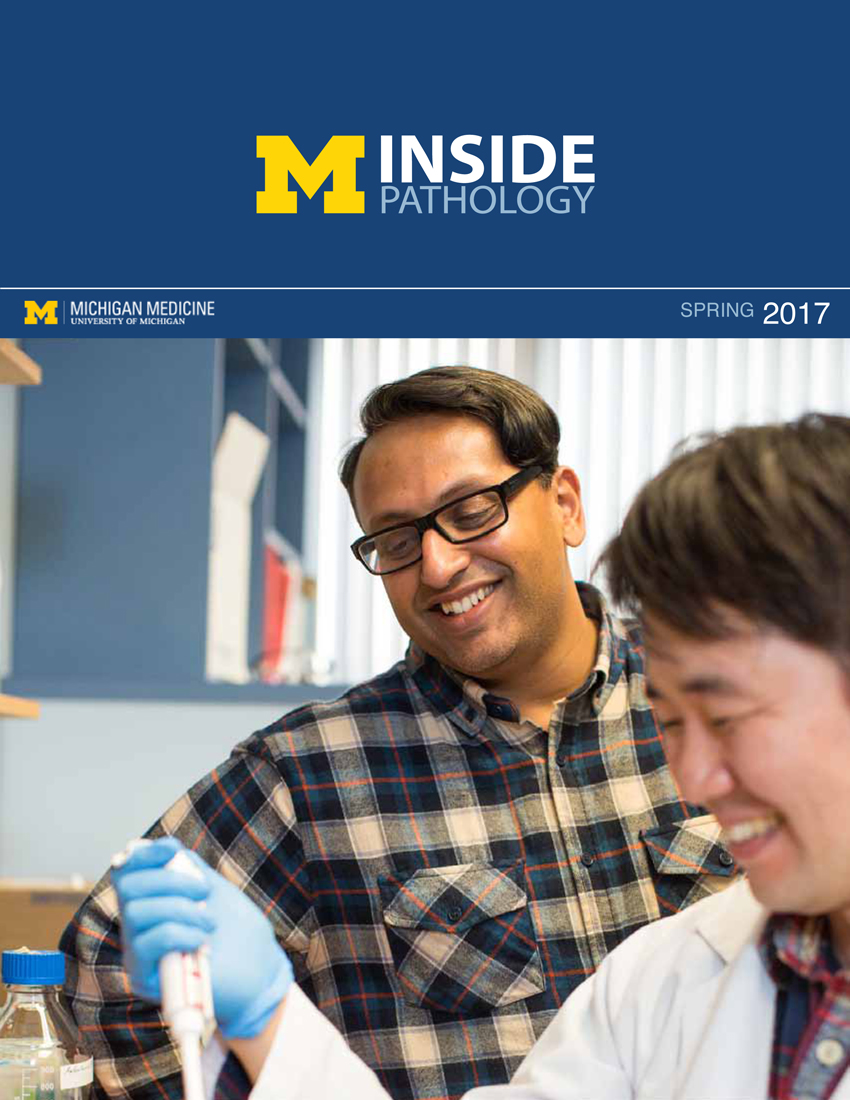 ON THE COVER
Dr. Sriram Venneti, MD, PhD and Postdoctoral Fellow, Chan Chung, PhD investigate pediatric brain cancer. See Article |
newsletter
INSIDE PATHOLOGYAbout Our NewsletterInside Pathology is an newsletter published by the Chairman's Office to bring news and updates from inside the department's research and to become familiar with those leading it. It is our hope that those who read it will enjoy hearing about those new and familiar, and perhaps help in furthering our research. CONTENTS
|
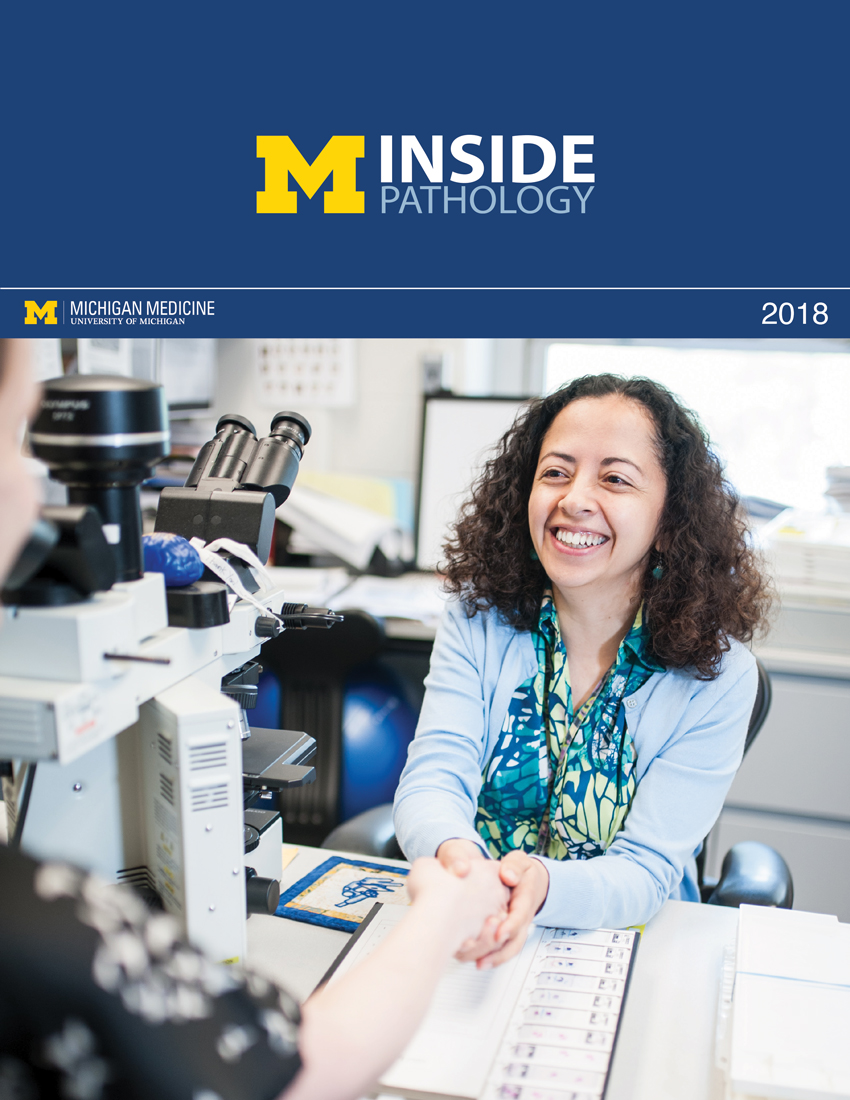 ON THE COVER
Director of the Neuropathology Fellowship, Dr. Sandra Camelo-Piragua serves on the Patient and Family Advisory Council. |
newsletter
INSIDE PATHOLOGYAbout Our NewsletterInside Pathology is an newsletter published by the Chairman's Office to bring news and updates from inside the department's research and to become familiar with those leading it. It is our hope that those who read it will enjoy hearing about those new and familiar, and perhaps help in furthering our research. CONTENTS
|
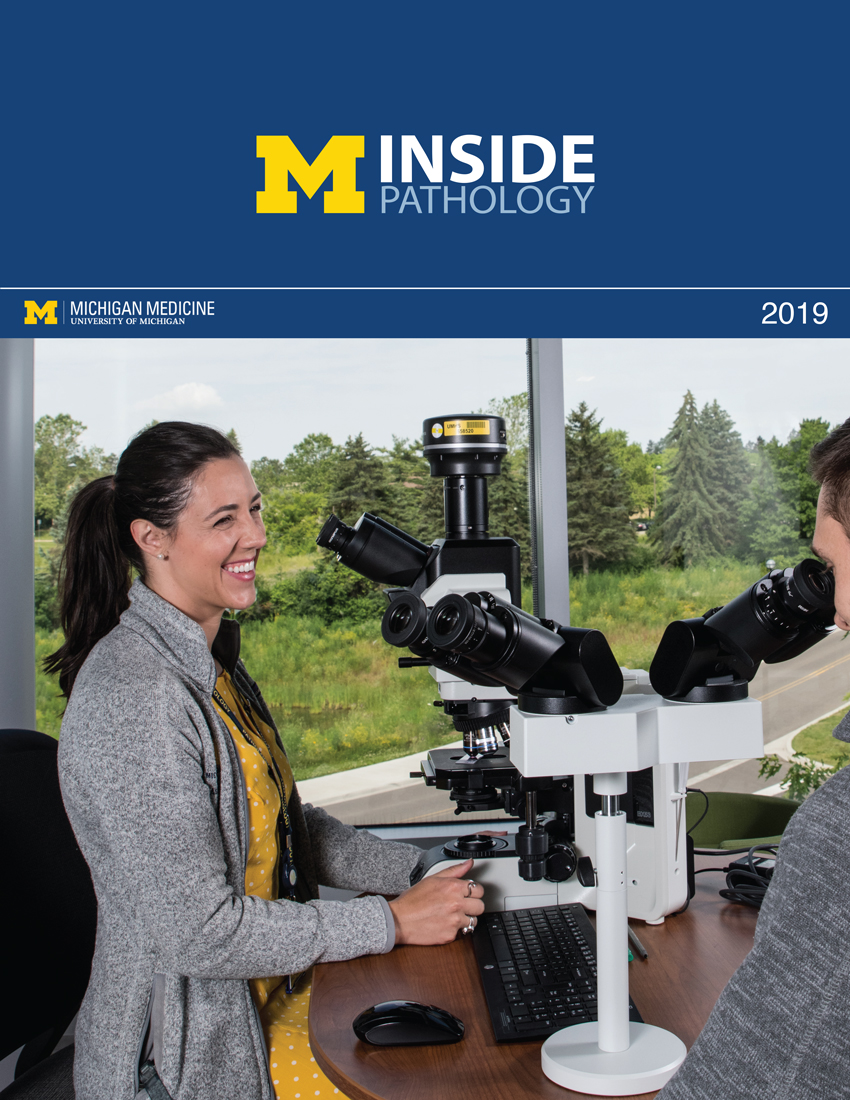 ON THE COVER
Residents Ashley Bradt (left) and William Perry work at a multi-headed scope in our new facility. |
newsletter
INSIDE PATHOLOGYAbout Our NewsletterInside Pathology is an newsletter published by the Chairman's Office to bring news and updates from inside the department's research and to become familiar with those leading it. It is our hope that those who read it will enjoy hearing about those new and familiar, and perhaps help in furthering our research. CONTENTS
|
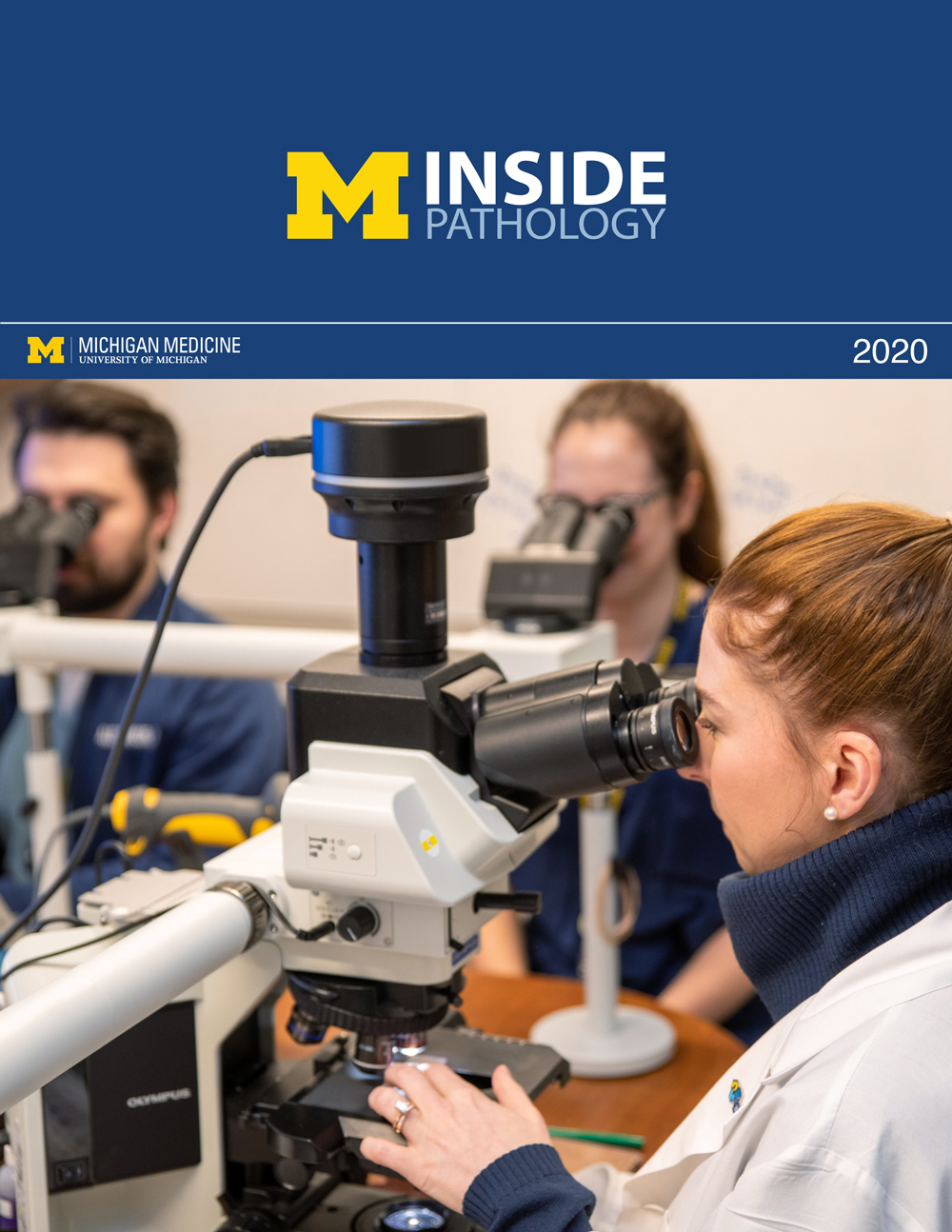 ON THE COVER
Dr. Kristine Konopka (right) instructing residents while using a multi-headed microscope. |
newsletter
INSIDE PATHOLOGYAbout Our NewsletterInside Pathology is an newsletter published by the Chairman's Office to bring news and updates from inside the department's research and to become familiar with those leading it. It is our hope that those who read it will enjoy hearing about those new and familiar, and perhaps help in furthering our research. CONTENTS
|
 ON THE COVER
Patient specimens poised for COVID-19 PCR testing. |
newsletter
INSIDE PATHOLOGYAbout Our NewsletterInside Pathology is an newsletter published by the Chairman's Office to bring news and updates from inside the department's research and to become familiar with those leading it. It is our hope that those who read it will enjoy hearing about those new and familiar, and perhaps help in furthering our research. CONTENTS
|
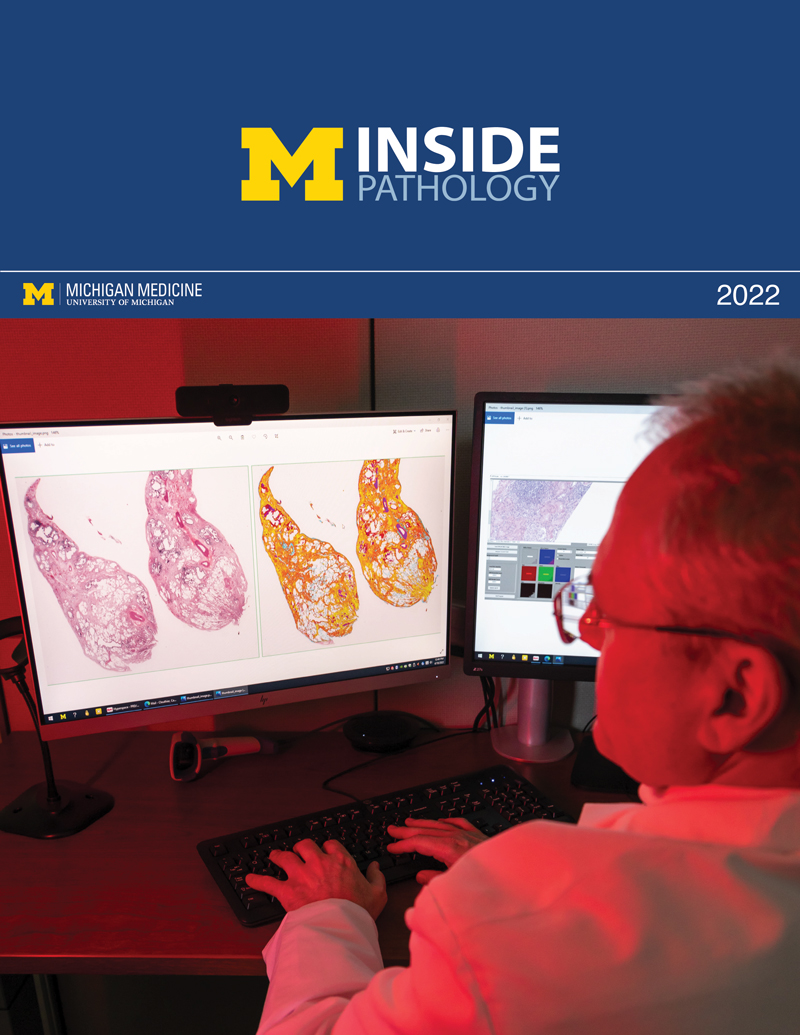 ON THE COVER
Dr. Pantanowitz demonstrates using machine learning in analyzing slides. |
newsletter
INSIDE PATHOLOGYAbout Our NewsletterInside Pathology is an newsletter published by the Chairman's Office to bring news and updates from inside the department's research and to become familiar with those leading it. It is our hope that those who read it will enjoy hearing about those new and familiar, and perhaps help in furthering our research. CONTENTS
|
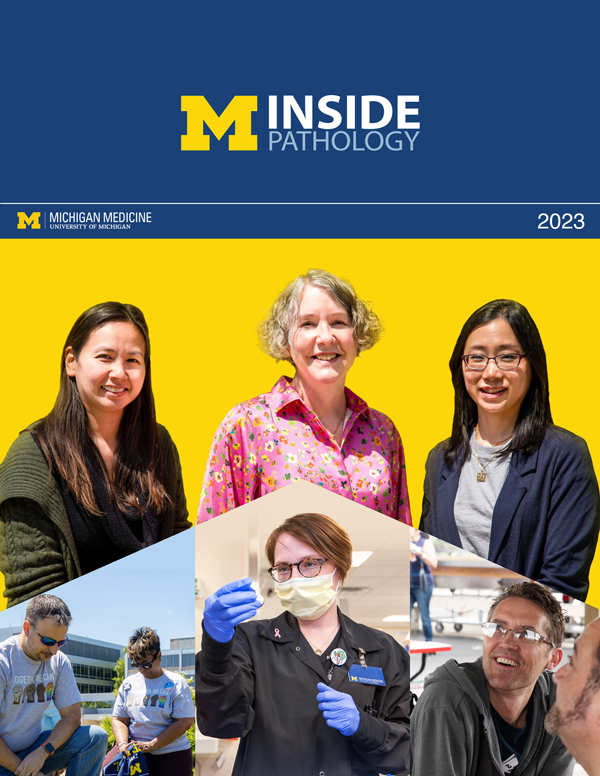 ON THE COVER
(Left to Right) Drs. Angela Wu, Laura Lamps, and Maria Westerhoff. |
newsletter
INSIDE PATHOLOGYAbout Our NewsletterInside Pathology is an newsletter published by the Chairman's Office to bring news and updates from inside the department's research and to become familiar with those leading it. It is our hope that those who read it will enjoy hearing about those new and familiar, and perhaps help in furthering our research. CONTENTS
|
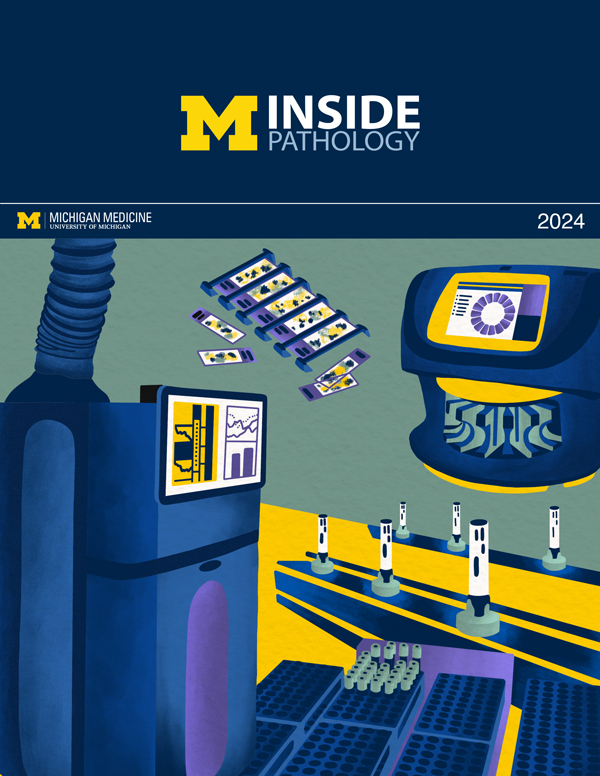 ON THE COVER
Illustration representing the various machines and processing used within our labs. |
newsletter
INSIDE PATHOLOGYAbout Our NewsletterInside Pathology is an newsletter published by the Chairman's Office to bring news and updates from inside the department's research and to become familiar with those leading it. It is our hope that those who read it will enjoy hearing about those new and familiar, and perhaps help in furthering our research. CONTENTS
|
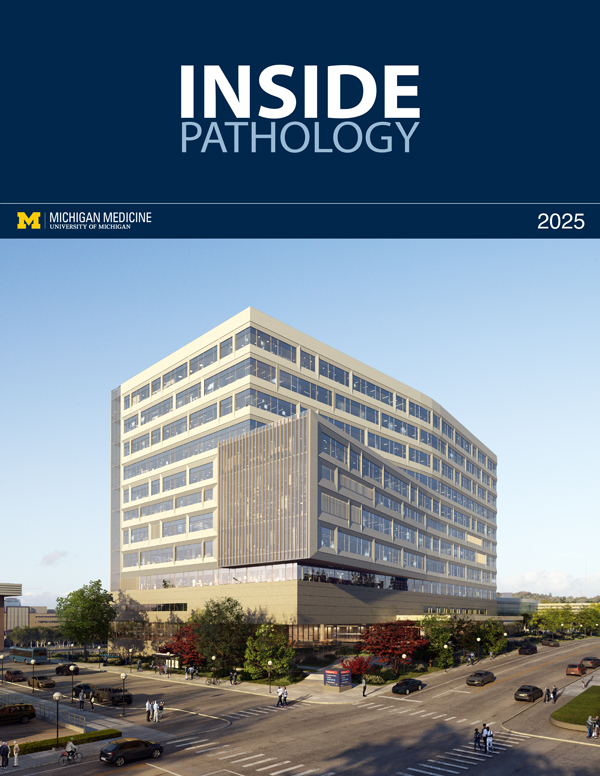 ON THE COVER
Rendering of the D. Dan and Betty Khn Health Care Pavilion. Credit: HOK |
newsletter
INSIDE PATHOLOGYAbout Our NewsletterInside Pathology is an newsletter published by the Chairman's Office to bring news and updates from inside the department's research and to become familiar with those leading it. It is our hope that those who read it will enjoy hearing about those new and familiar, and perhaps help in furthering our research. CONTENTS
|
MLabs, established in 1985, functions as a portal to provide pathologists, hospitals. and other reference laboratories access to the faculty, staff and laboratories of the University of Michigan Health System’s Department of Pathology. MLabs is a recognized leader for advanced molecular diagnostic testing, helpful consultants and exceptional customer service.