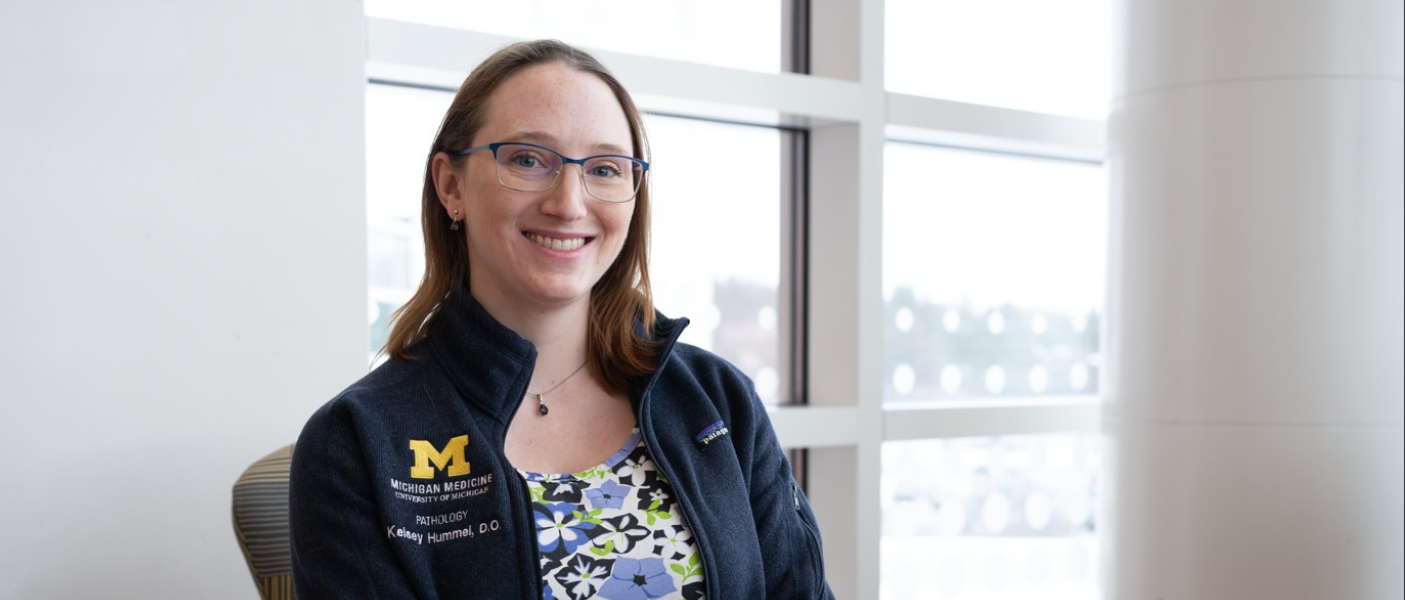
 When Kelsey Hummel, DO, FCAP, graduated from high school, her first job was at a local blood bank processing whole blood into red blood cells, platelets, and plasma. For the first time, she learned how vital the laboratory was to patient care. “That sparked my interest in laboratory medicine. When my sister told me about the medical laboratory sciences program and that you could work in a hospital lab, I knew what my college major would be. As a future physician, I wanted a pre-med degree that would help me understand the full picture of medicine, including the parts that most patients don’t see.” She decided to pursue a Clinical Laboratory Sciences degree from Michigan State University so she could take her board exams after graduation and join the workforce.
After completing her degree, she began working at the University of Michigan University Hospital's automated chemistry laboratory. “I took care of the big analyzers that were running hundreds of tests daily. I had to be sure everything was working properly, that quality control was good, and that any mechanical issues were fixed.” Within a year of starting, she left the laboratory to attend Michigan State University’s College of Osteopathic Medicine (MSUCOM). But the experience she gained on the bench would influence her entire medical career.
Hummel knew before medical school that she wanted to be a pathologist. While she chose MSUCOM because she loved the osteopathic philosophy of holistic medicine, she found the curriculum was more focused on primary care than pathology. After speaking to some alumni who went into pathology, she decided to take a gap year and complete a post-sophomore pathology fellowship at the University of Toledo Medical Center. “I loved it! I was so happy to go to work every day as a post-sophomore fellow, working much like a first-year pathology resident. I loved grossing, looking at slides, going into the lab, and learning about tests. This was exactly what I was supposed to do.”
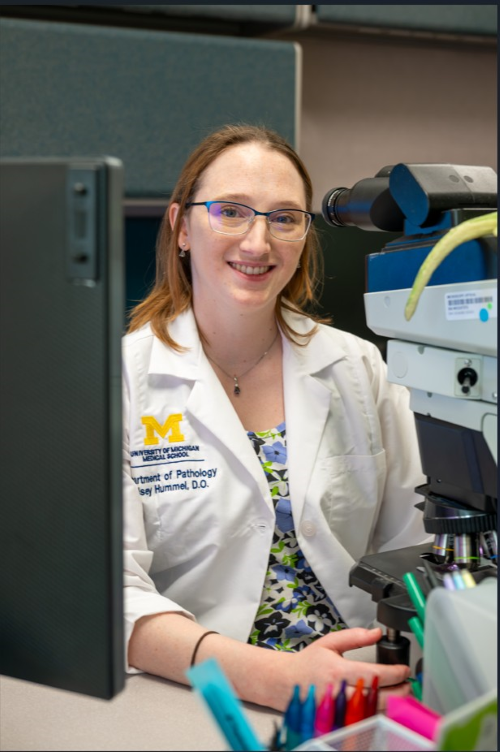 As she learned more about pathology, she realized it relied heavily on technology and automation to perform even the basic tests physicians use every day. So, how did doctors do pathology in other parts of the world? Hummel decided to investigate this during her last year of medical school by participating in a 2-week study abroad program in Peru. Since she had a unique skill set as a medical laboratory scientist, she conducted ova and parasite examinations on fecal samples as part of a research project to evaluate whether a low-cost water filter could reduce parasitic load in patients. “Cryptosporidium and Giardia immunoassays were donated, and I borrowed a microscope when I arrived in Peru. We did not have all the specialized stains and procedures typically used in US parasitology labs, so I learned the fecal flotation technique from my sister, a veterinarian. I ran these tests using sugar water and iodine stain, and detected parasitic ova on a glass slide. I became known as the “poop lady” around the clinic. It was a gratifying experience to see the patients so happy and relieved whenever I told them they were parasite-free.”
This experience sparked Hummel’s interest in global pathology and influenced where she would apply for residency training. “I did an AP/CP residency at Baylor College of Medicine in Houston, Texas. It is a great international city with the Texas Medical Center and the BCM Global Programs there.” Although her time in the laboratory enticed her to become a clinical pathologist, focusing on microbiology and chemistry, she fell in love with anatomic pathology during residency. After completing her cytopathology fellowship at MD Anderson Cancer Center, she returned to Michigan for her gynecologic pathology fellowship at the University of Michigan.
During her fellowships, Hummel visited Rwanda and Brazil to deploy a 3D-printed microscope for digital pathology. “Our team received grants from the CAP Foundation and the NIH to do these projects. It was so cool to see our device, the OpenFlexure Microscope, featured on the front page of the WHO Compendium of Innovative Health Technologies for Low-Resource Settings for 2024.” She continues to do research with the device on a project with Drs. Mustafa Yousif and Jerome Cheng. “We are creating an algorithm using images from the OpenFlexure Microscope to see if it can create digital images of sufficient quality to triage cervical biopsies for expedited pathologist review. I’m in the process of reviewing our manuscript and will soon submit our findings for publication.”
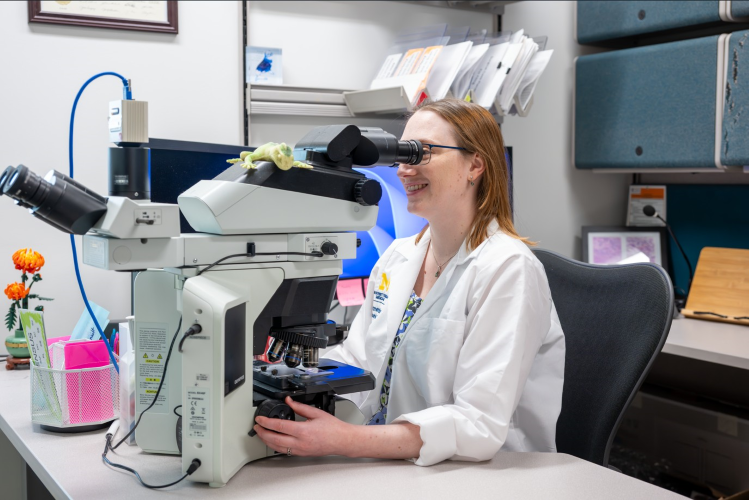 “Now, I am here at the Ann Arbor Veterans Affairs Health Center (VA). It was an excellent choice for me because it offered everything I wanted in a job. I am a general surgical pathologist, and I sign out everything except hematopathology. I do cytopathology as well. I have the opportunity to do research and consult on cases with my colleagues at the University of Michigan. I am also the director of two laboratory departments, chemistry and microbiology. It feels like things have come full circle since I am now in charge of two departments I originally considered specializing in.”
Looking to the future, Hummel wants to become more integrated into the Center for Global Health Equity at the University of Michigan. “Being connected with them could provide great opportunities for me to learn about different ideas utilized in remote global environments that could be applied to rural areas in the United States.” Regardless of where her patients are located, Hummel wants to provide the best quality of care. She aims to understand the entire process so she can better advocate for her patients. “That’s why I like being involved with the laboratory directorships. I attend chemistry huddles with the techs, have weekly meetings with supervisors, and talk to the clinicians regularly. I love being so connected to the techs and clinicians.” In addition, she hopes to be more involved in teaching, whether to medical students, pathology residents, or the pulmonary fellows she interacts with during cytopathology procedures.
“One of the guiding principles for my work as an attending pathologist is patient care. This often involves me practicing empathy for my clinical colleagues and patients.” Hummel recalls a time as a laboratory scientist when she kept receiving hemolyzed specimens from a particular nurse working in an inpatient unit. Hemolysis can occur when blood is drawn from an IV line rather than a Vacutainer tube used in outpatient settings. Years later, as a medical student, she went to the ICU floor and saw patients with all these catheters and IV lines, looking dehydrated and in terrible shape. “I realized then that the expectations of the laboratory may not always coincide with what is feasible at the point of care. This is also true for the clinical team’s expectations for the laboratory. This relationship between the departments emphasizes the need for collaboration to provide good patient care.”
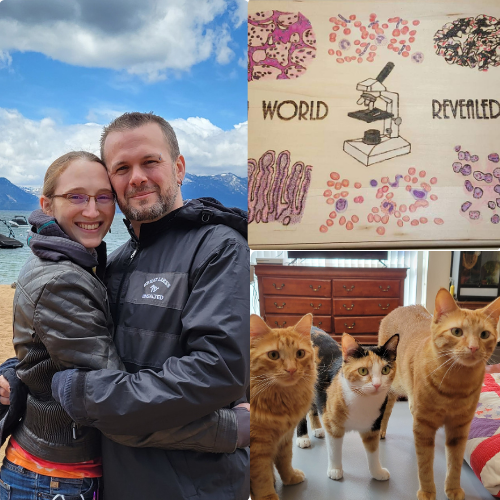 Having an open communication with her clinical colleagues at the VA has helped Hummel see the impact of a top-line diagnosis. “A non-diagnostic result can mean a lot to a patient. Imagine being put under for an invasive procedure, only to have the biopsy needle miss the diagnostic region, and then you have to undergo the procedure again. That’s why I go to the endoscopy suite for rapid on-site evaluations of fine needle aspirations. While I am there, I can inform the pulmonologist if they have collected enough material for a diagnosis, and hopefully avoid a non-diagnostic report.”
On the personal front, Hummel was married just one year ago to John Hakenjos, and they enjoy hanging out with their three cats, Korra, Bolin, and Sokka. “I love being able to come home and snuggle with them. Cat naps with them are also the best.” She also enjoys ballroom dancing and even competed on MSU’s team during her undergraduate years. Pathology wood burning is another hobby. “I take small pine plaques and use a wood-burning pen to create histology images. Sometimes I add watercolor pencils to give the designs more flair.” She gives her artwork away as one-of-a-kind gifts. She is also continuing to pursue global interests. “Recently, I began working with a group of pathologists in Zambia to create a standard operating procedure for handling breast specimens that could be given to clinicians to improve the quality of histology and immunohistochemistry stains for biomarker status.”
We are proud of your achievements, Dr. Hummel, and look forward to watching your career unfold.
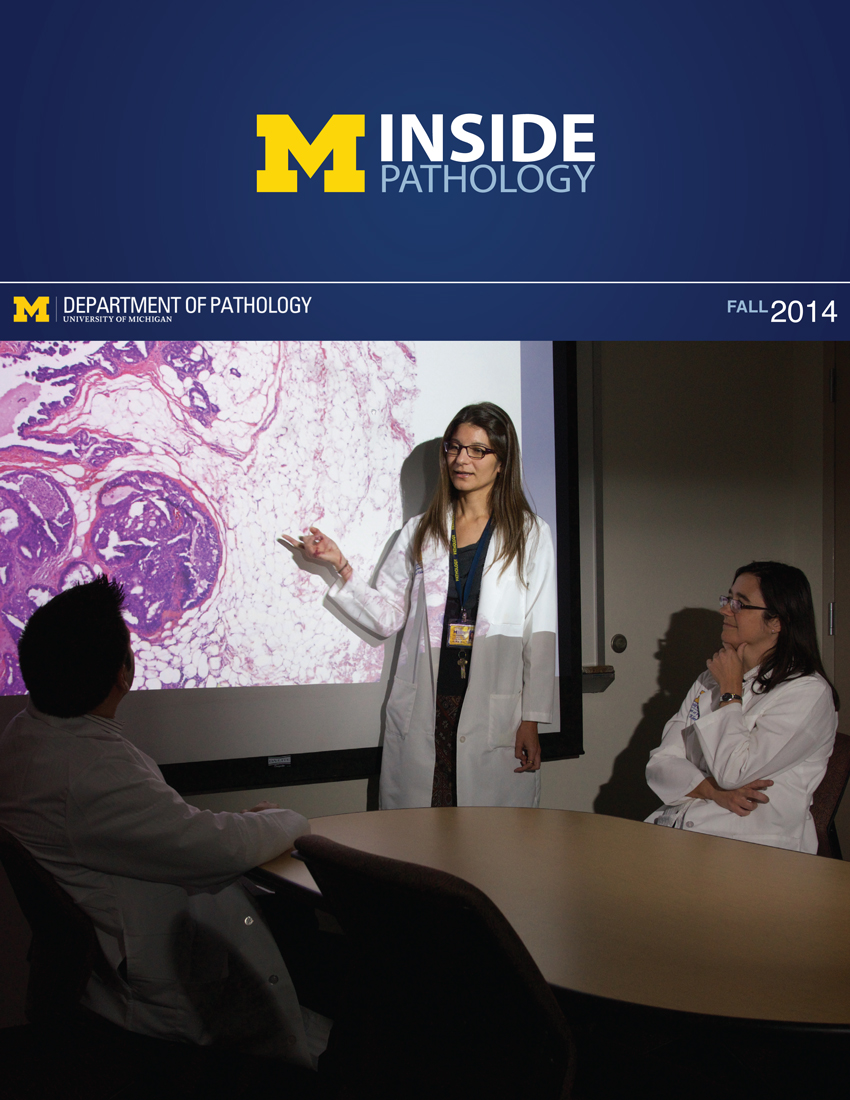 ON THE COVER
Breast team reviewing a patient's slide. (From left to right) Ghassan Allo, Fellow; Laura Walters, Clinical Lecturer; Celina Kleer, Professor. See Article |
newsletter
INSIDE PATHOLOGYAbout Our NewsletterInside Pathology is an newsletter published by the Chairman's Office to bring news and updates from inside the department's research and to become familiar with those leading it. It is our hope that those who read it will enjoy hearing about those new and familiar, and perhaps help in furthering our research. CONTENTS
|
 ON THE COVER
Autopsy Technician draws blood while working in the Wayne County morgue. See Article |
newsletter
INSIDE PATHOLOGYAbout Our NewsletterInside Pathology is an newsletter published by the Chairman's Office to bring news and updates from inside the department's research and to become familiar with those leading it. It is our hope that those who read it will enjoy hearing about those new and familiar, and perhaps help in furthering our research. CONTENTS
|
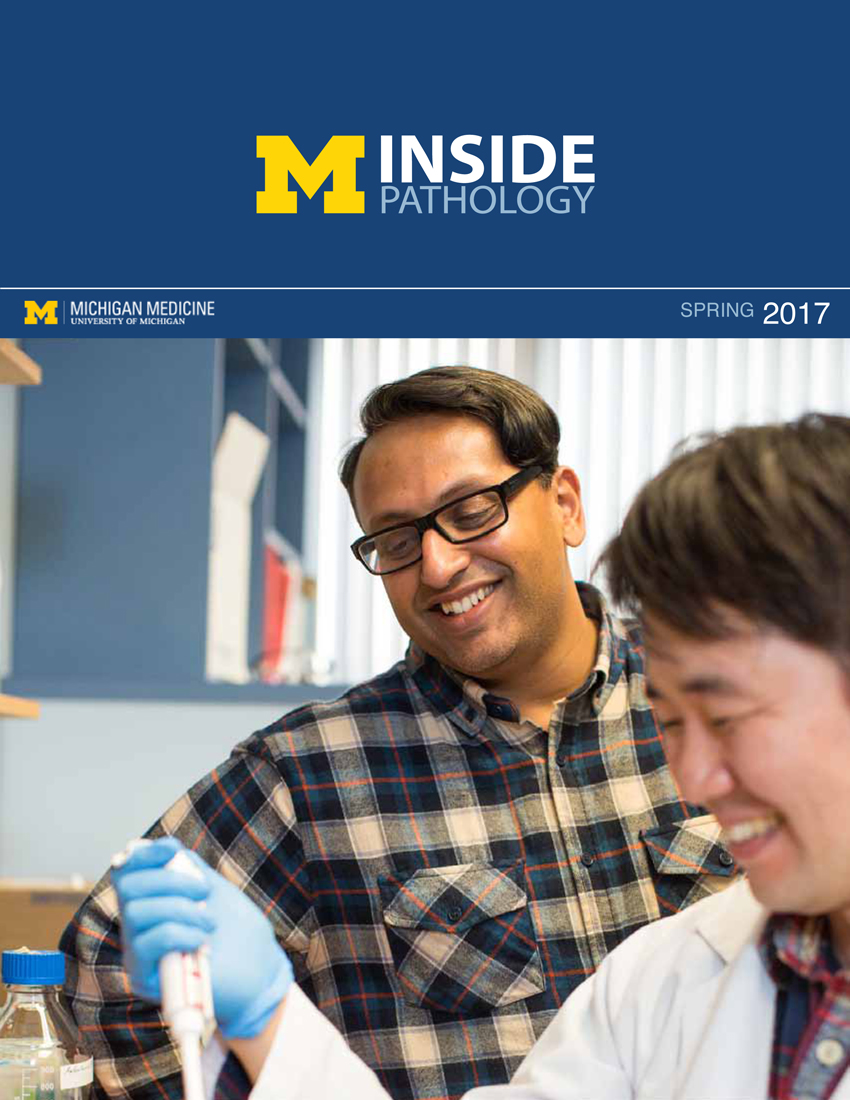 ON THE COVER
Dr. Sriram Venneti, MD, PhD and Postdoctoral Fellow, Chan Chung, PhD investigate pediatric brain cancer. See Article |
newsletter
INSIDE PATHOLOGYAbout Our NewsletterInside Pathology is an newsletter published by the Chairman's Office to bring news and updates from inside the department's research and to become familiar with those leading it. It is our hope that those who read it will enjoy hearing about those new and familiar, and perhaps help in furthering our research. CONTENTS
|
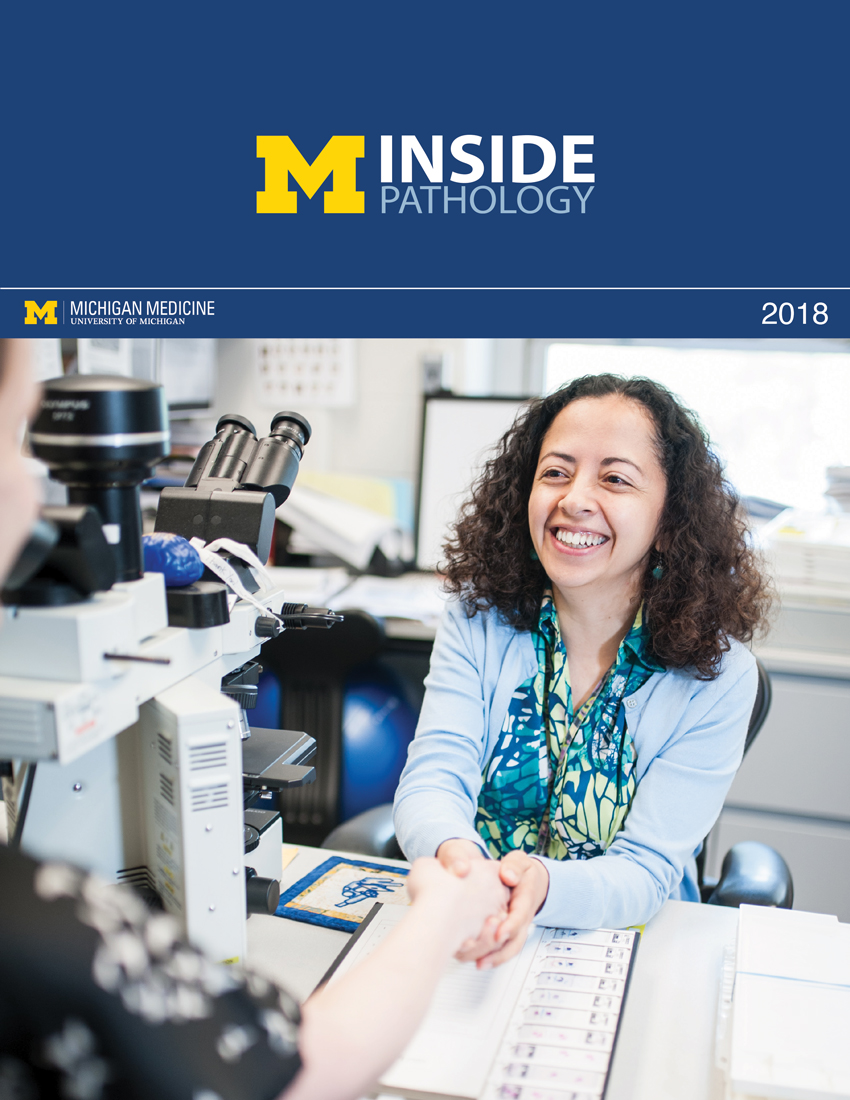 ON THE COVER
Director of the Neuropathology Fellowship, Dr. Sandra Camelo-Piragua serves on the Patient and Family Advisory Council. |
newsletter
INSIDE PATHOLOGYAbout Our NewsletterInside Pathology is an newsletter published by the Chairman's Office to bring news and updates from inside the department's research and to become familiar with those leading it. It is our hope that those who read it will enjoy hearing about those new and familiar, and perhaps help in furthering our research. CONTENTS
|
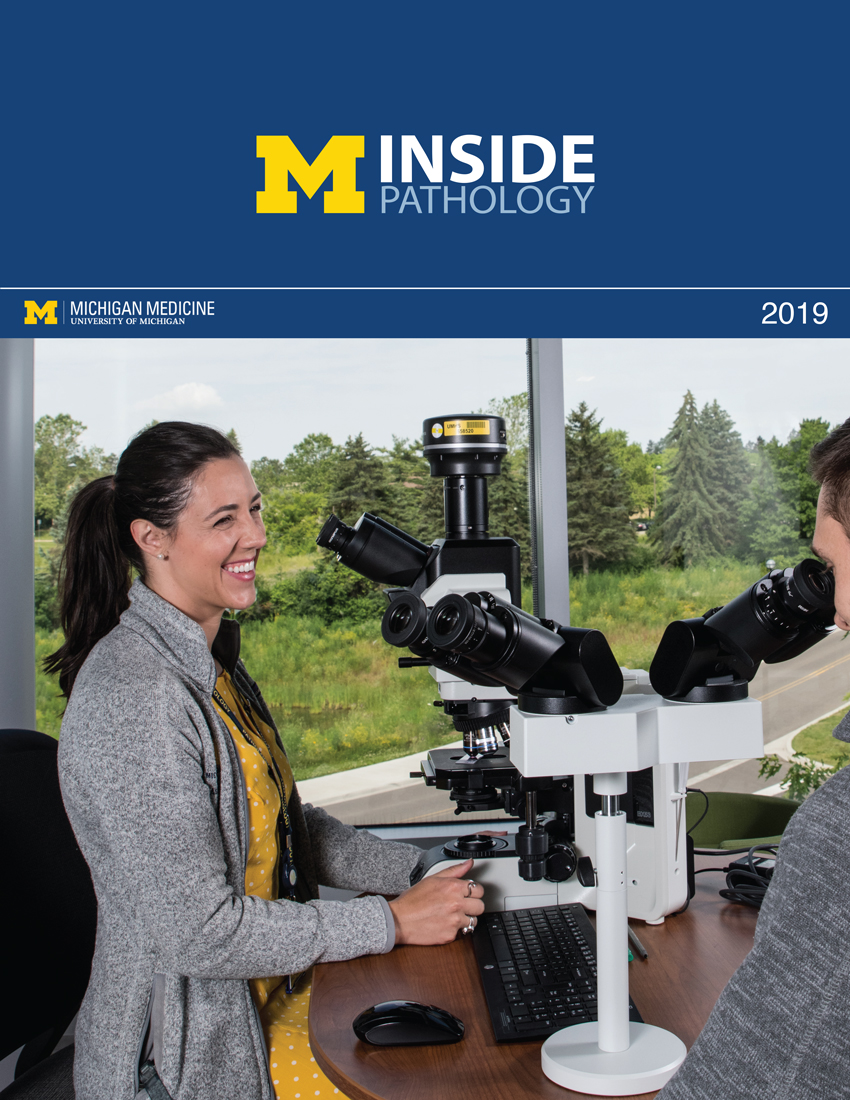 ON THE COVER
Residents Ashley Bradt (left) and William Perry work at a multi-headed scope in our new facility. |
newsletter
INSIDE PATHOLOGYAbout Our NewsletterInside Pathology is an newsletter published by the Chairman's Office to bring news and updates from inside the department's research and to become familiar with those leading it. It is our hope that those who read it will enjoy hearing about those new and familiar, and perhaps help in furthering our research. CONTENTS
|
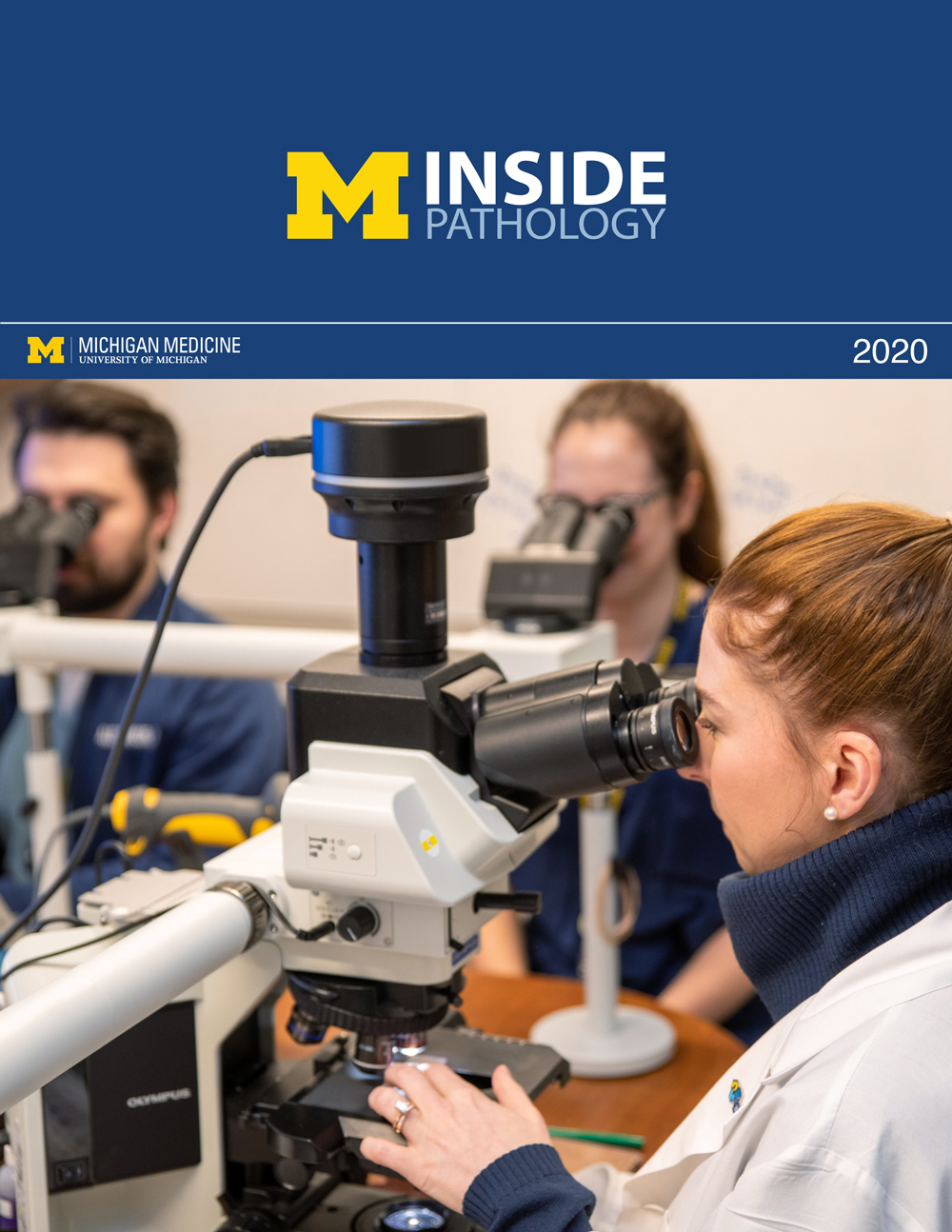 ON THE COVER
Dr. Kristine Konopka (right) instructing residents while using a multi-headed microscope. |
newsletter
INSIDE PATHOLOGYAbout Our NewsletterInside Pathology is an newsletter published by the Chairman's Office to bring news and updates from inside the department's research and to become familiar with those leading it. It is our hope that those who read it will enjoy hearing about those new and familiar, and perhaps help in furthering our research. CONTENTS
|
 ON THE COVER
Patient specimens poised for COVID-19 PCR testing. |
newsletter
INSIDE PATHOLOGYAbout Our NewsletterInside Pathology is an newsletter published by the Chairman's Office to bring news and updates from inside the department's research and to become familiar with those leading it. It is our hope that those who read it will enjoy hearing about those new and familiar, and perhaps help in furthering our research. CONTENTS
|
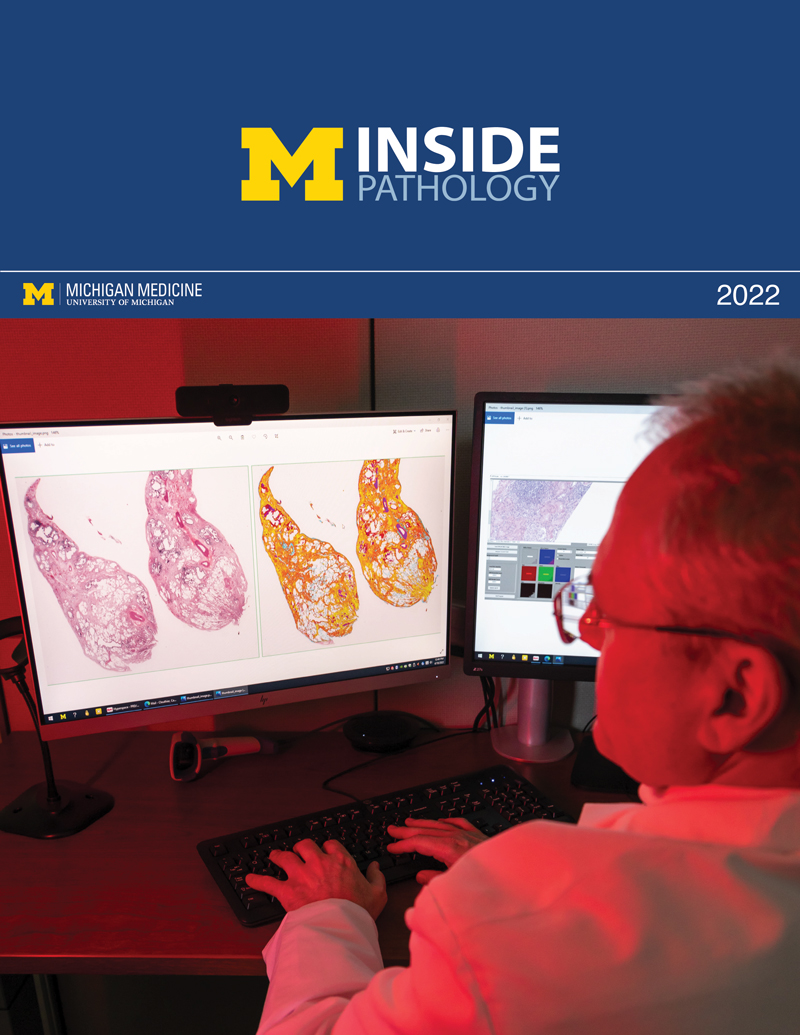 ON THE COVER
Dr. Pantanowitz demonstrates using machine learning in analyzing slides. |
newsletter
INSIDE PATHOLOGYAbout Our NewsletterInside Pathology is an newsletter published by the Chairman's Office to bring news and updates from inside the department's research and to become familiar with those leading it. It is our hope that those who read it will enjoy hearing about those new and familiar, and perhaps help in furthering our research. CONTENTS
|
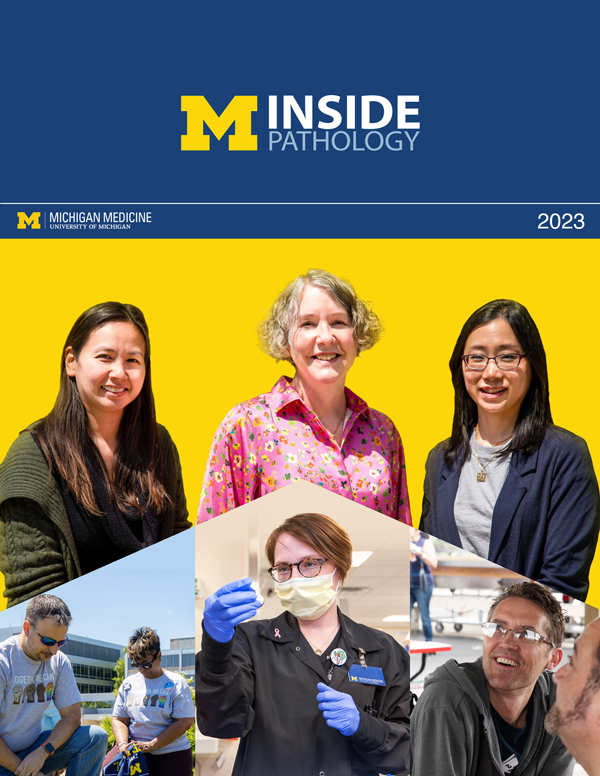 ON THE COVER
(Left to Right) Drs. Angela Wu, Laura Lamps, and Maria Westerhoff. |
newsletter
INSIDE PATHOLOGYAbout Our NewsletterInside Pathology is an newsletter published by the Chairman's Office to bring news and updates from inside the department's research and to become familiar with those leading it. It is our hope that those who read it will enjoy hearing about those new and familiar, and perhaps help in furthering our research. CONTENTS
|
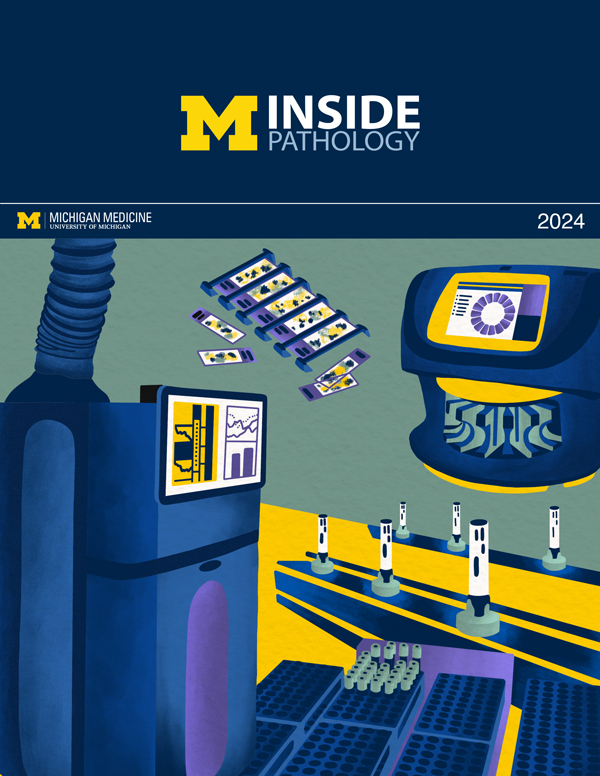 ON THE COVER
Illustration representing the various machines and processing used within our labs. |
newsletter
INSIDE PATHOLOGYAbout Our NewsletterInside Pathology is an newsletter published by the Chairman's Office to bring news and updates from inside the department's research and to become familiar with those leading it. It is our hope that those who read it will enjoy hearing about those new and familiar, and perhaps help in furthering our research. CONTENTS
|
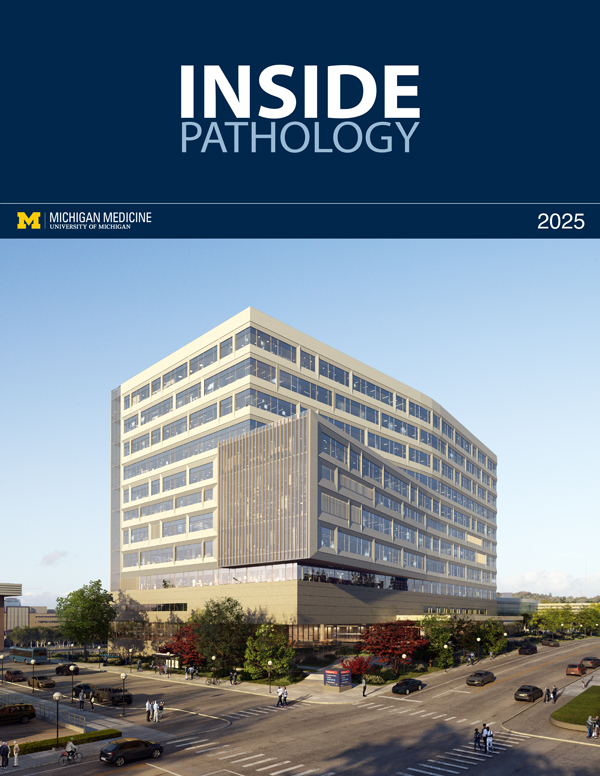 ON THE COVER
Rendering of the D. Dan and Betty Khn Health Care Pavilion. Credit: HOK |
newsletter
INSIDE PATHOLOGYAbout Our NewsletterInside Pathology is an newsletter published by the Chairman's Office to bring news and updates from inside the department's research and to become familiar with those leading it. It is our hope that those who read it will enjoy hearing about those new and familiar, and perhaps help in furthering our research. CONTENTS
|
MLabs, established in 1985, functions as a portal to provide pathologists, hospitals. and other reference laboratories access to the faculty, staff and laboratories of the University of Michigan Health System’s Department of Pathology. MLabs is a recognized leader for advanced molecular diagnostic testing, helpful consultants and exceptional customer service.