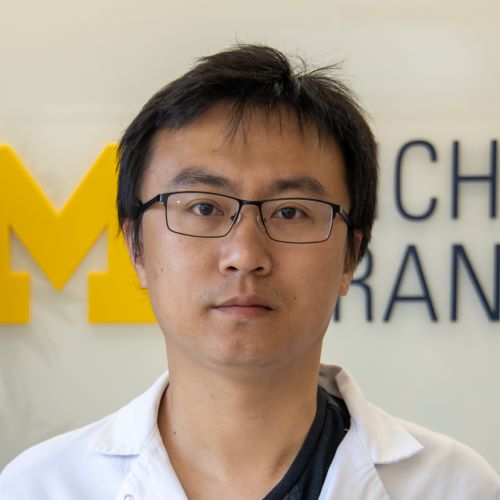
 The reason people pursue careers in medical research varies, but for one young scientist, the motivation was deeply personal. Jie Luo, PhD, was an undergraduate biology major at Xiamen University in China when he learned that a close relative had been diagnosed with prostate cancer. “At that moment, I decided that I had to figure out, or at least contribute to understanding, how prostate cancer works so clinicians could better treat it,” he recalled.
After completing his master’s degree in cell biology at Xiamen University, Luo moved to Rochester, New York, in 2013 to pursue his PhD under the mentorship of Dr. Chawngshang Chang, who first cloned the androgen receptor gene. In the Chang lab, Luo worked with a range of preclinical prostate cancer animal models, conducting drug-response studies from a pathological perspective and collaborating closely with pathologists. “This experience was eye-opening for me. As a basic scientist, I could generate extensive molecular and genetic data, but without proper pathological evaluation, it is very hard to fully understand what is happening in the tissues.”
He completed his PhD in late 2019, just as the COVID pandemic began. He remained in Rochester until 2021, when he joined the Michigan Center for Translational Pathology as a postdoctoral fellow under Dr. Arul Chinnaiyan.
During his postdoctoral training, Luo studied prostate cancer-specific neo-enhanceosome, a transcriptional hub that integrates lineage-defining transcription factors and coactivators to sustain oncogenic gene expression programs. His work aimed to map the molecular architecture and functional dependencies of this complex, to uncover how its dysregulation contributes to tumor growth and plasticity, and to identify strategies to selectively disrupt its activity.
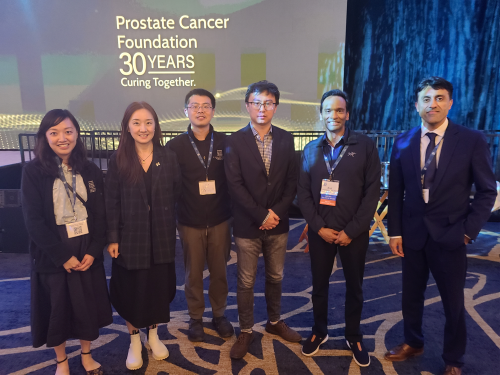 One of his major research projects focused on the lysine acetyltransferases p300 and CREB-binding protein (CBP), cofactors that activate enhancers through histone acetylation. Using cytotoxicity profiling across more than 900 cell lines, he discovered that tumors with high H2BNTac, including androgen-receptor positive prostate cancers, are selectively dependent on p300/CBP. Systematic degradation of these proteins inhibited tumor growth. “These findings position H2BNTac as an epigenetic marker of enhancer addiction and establish dual p300/CBP degradation as a promising therapeutic strategy for enhancer-driven cancers.” This work was published in Nature Genetics in October 2025.
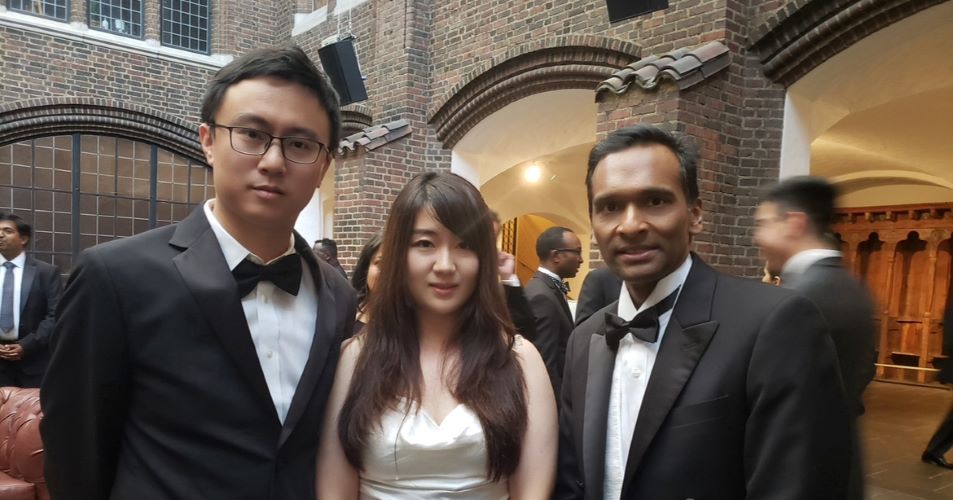 When Luo was promoted to Research Investigator in October 2025, he began focusing on the discovery of new therapeutic strategies for prostate cancer, particularly those that effectively target androgen receptor signaling. The lab developed a new class of compounds called Domain-Alteration Chimeras, or DALTAC. “Many cancer therapies kill cancer cells but also damage a patient’s normal tissues, causing unwanted and sometimes intolerable side effects. Our compound represents a new therapeutic modality: a modular platform that can be combined in multiple ways to selectively target specific cancer types while sparing normal tissues. This approach marks a major step forward in cancer therapy.”
Over the next few years, he aims to further optimize this compound and expand the modality beyond prostate cancer to other cancer types. “I also hope to work closely with collaborators across the department and the broader institution to advance the most promising compounds toward clinical translation and, ultimately, into patient care.” He estimates the first DALTAC-based compounds may enter clinical trials within three to five years. In the meantime, they are filing patents and optimizing the compounds to improve their bioavailability.
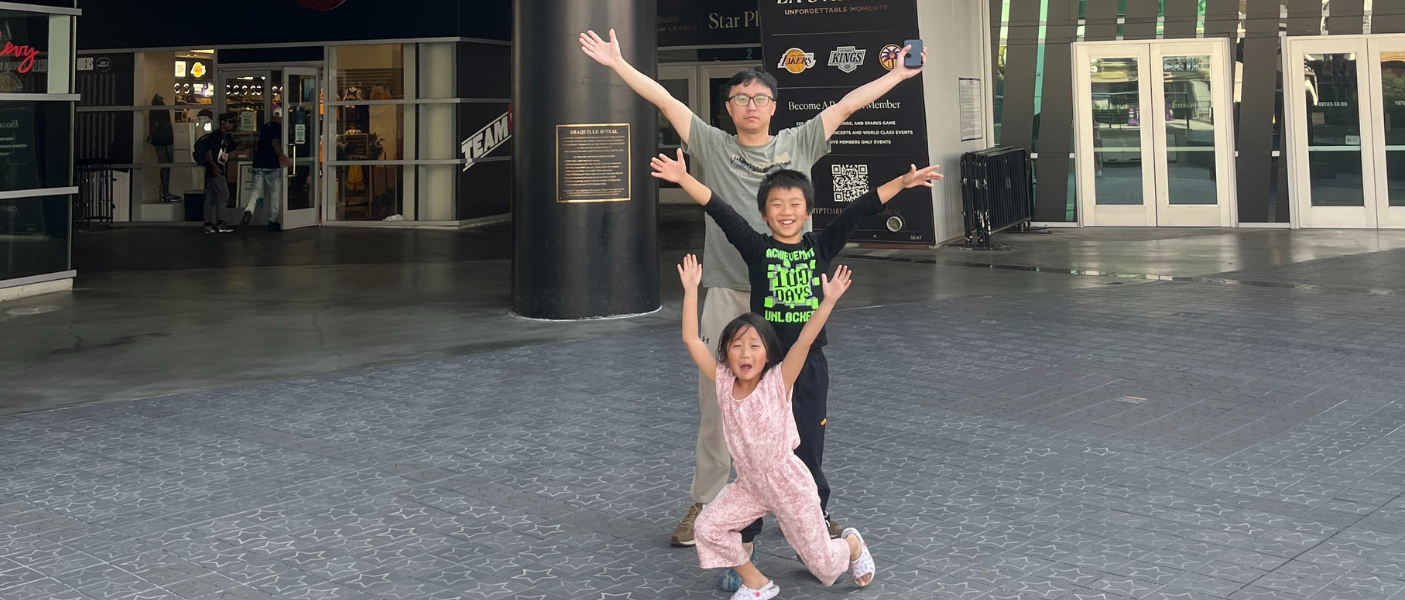
On a personal level, Luo is married with two children. His wife, Hui Li, is Assistant to Dr. Arul Chinnaiyan. He jokes, “My wife is better known in the department than I am. People don’t call me Jie, they call me Hui’s husband.” They have a 9-year-old son, Adam, and a 6-year-old daughter, Scarlett.
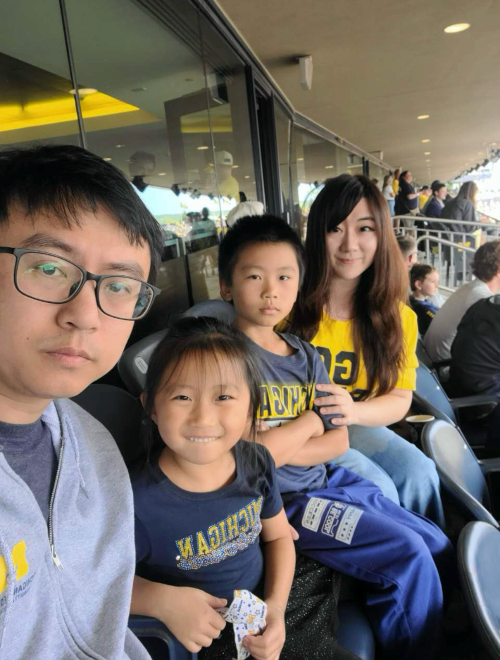 “I really enjoy spending time with them,” he said. “Adam loves basketball, and I do too, so we play together and watch games. They help me relax and keep everything in perspective.” Adam hopes someday to be an NBA player, but after a recent visit to the lab, he added a backup plan. “If basketball doesn’t work out, maybe I’ll be a doctor.” Scarlett, meanwhile, is drawn to singing and dancing. “Maybe I will get her into dance classes,” he mused. The family also enjoys movie nights, mostly animated films. “The kids have such interesting perspectives about the stories and characters. They come up with thoughts that, as adults, we never think about. They have some very novel ideas.”
“I am excited to be on the faculty at the University of Michigan,” Lue said. “The environment here is incredibly supportive across all scientific fields, which is so helpful for young investigators building their careers.”
We are thrilled to have you on our team as well, Dr. Luo. We look forward to watching your career grow and to the important discoveries you will make in the years ahead.
*****
Citation:
Luo, J., Chen, Z., Qiao, Y. et al. Targeting histone H2B acetylated enhanceosomes via p300/CBP degradation in prostate cancer. Nat Genet 57, 2468–2481 (2025). https://doi.org/10.1038/s41588-025-02336-6
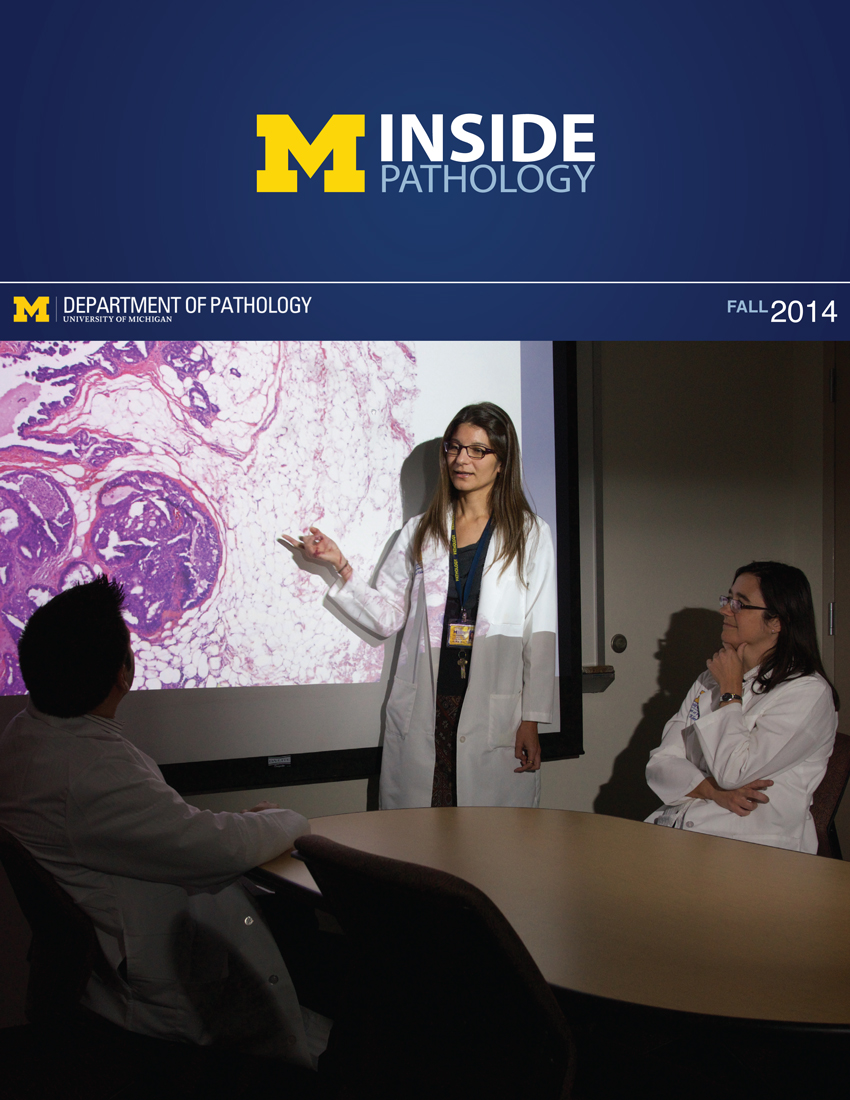 ON THE COVER
Breast team reviewing a patient's slide. (From left to right) Ghassan Allo, Fellow; Laura Walters, Clinical Lecturer; Celina Kleer, Professor. See Article |
newsletter
INSIDE PATHOLOGYAbout Our NewsletterInside Pathology is an newsletter published by the Chairman's Office to bring news and updates from inside the department's research and to become familiar with those leading it. It is our hope that those who read it will enjoy hearing about those new and familiar, and perhaps help in furthering our research. CONTENTS
|
 ON THE COVER
Autopsy Technician draws blood while working in the Wayne County morgue. See Article |
newsletter
INSIDE PATHOLOGYAbout Our NewsletterInside Pathology is an newsletter published by the Chairman's Office to bring news and updates from inside the department's research and to become familiar with those leading it. It is our hope that those who read it will enjoy hearing about those new and familiar, and perhaps help in furthering our research. CONTENTS
|
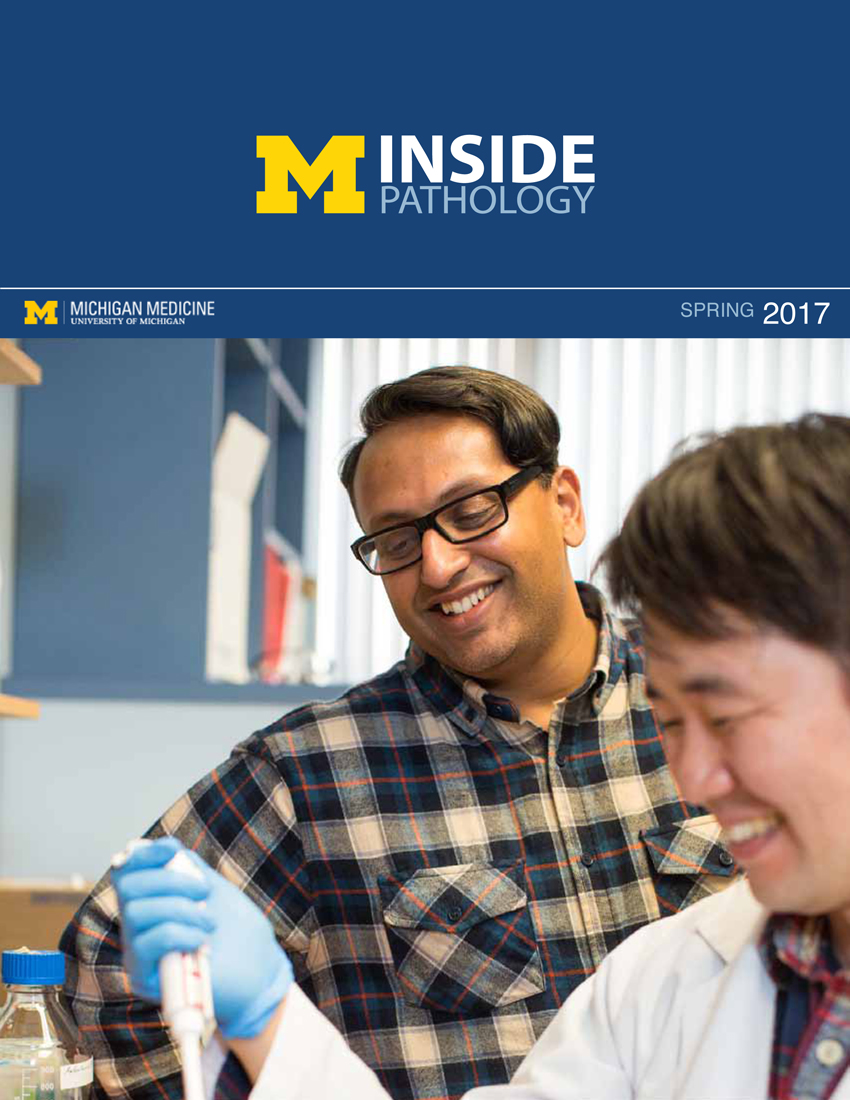 ON THE COVER
Dr. Sriram Venneti, MD, PhD and Postdoctoral Fellow, Chan Chung, PhD investigate pediatric brain cancer. See Article |
newsletter
INSIDE PATHOLOGYAbout Our NewsletterInside Pathology is an newsletter published by the Chairman's Office to bring news and updates from inside the department's research and to become familiar with those leading it. It is our hope that those who read it will enjoy hearing about those new and familiar, and perhaps help in furthering our research. CONTENTS
|
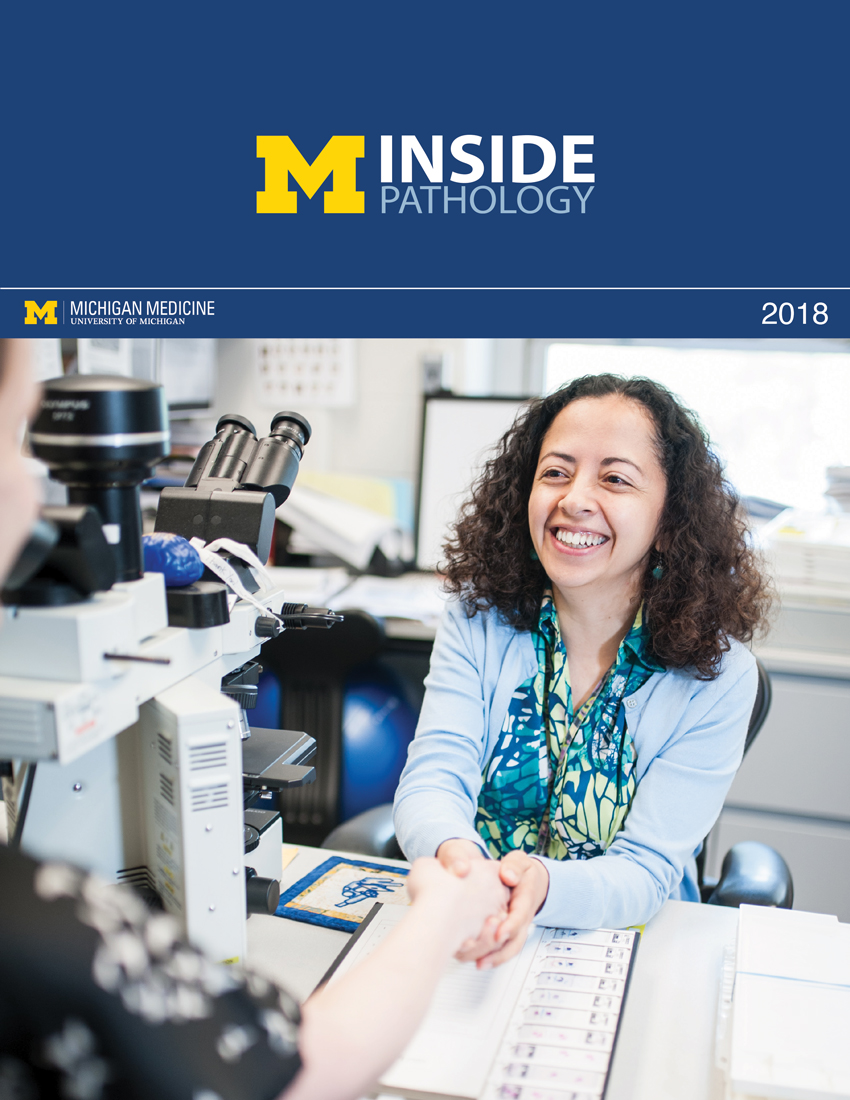 ON THE COVER
Director of the Neuropathology Fellowship, Dr. Sandra Camelo-Piragua serves on the Patient and Family Advisory Council. |
newsletter
INSIDE PATHOLOGYAbout Our NewsletterInside Pathology is an newsletter published by the Chairman's Office to bring news and updates from inside the department's research and to become familiar with those leading it. It is our hope that those who read it will enjoy hearing about those new and familiar, and perhaps help in furthering our research. CONTENTS
|
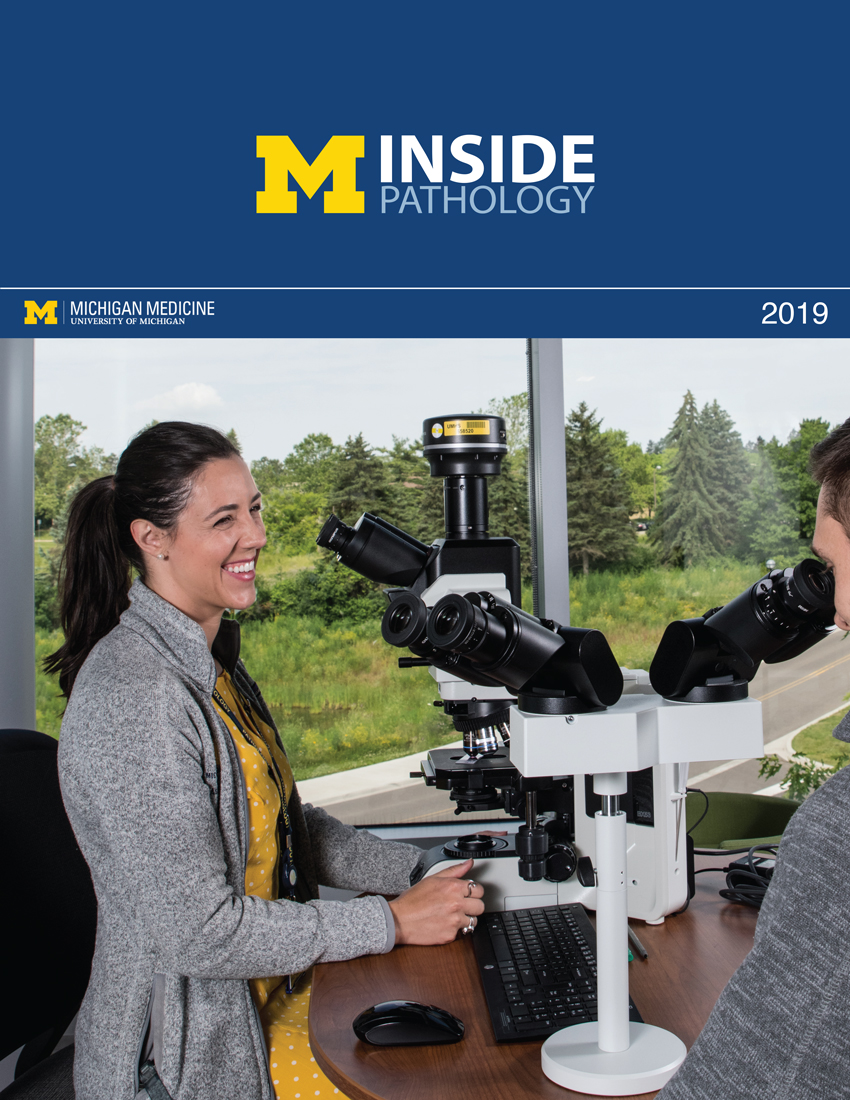 ON THE COVER
Residents Ashley Bradt (left) and William Perry work at a multi-headed scope in our new facility. |
newsletter
INSIDE PATHOLOGYAbout Our NewsletterInside Pathology is an newsletter published by the Chairman's Office to bring news and updates from inside the department's research and to become familiar with those leading it. It is our hope that those who read it will enjoy hearing about those new and familiar, and perhaps help in furthering our research. CONTENTS
|
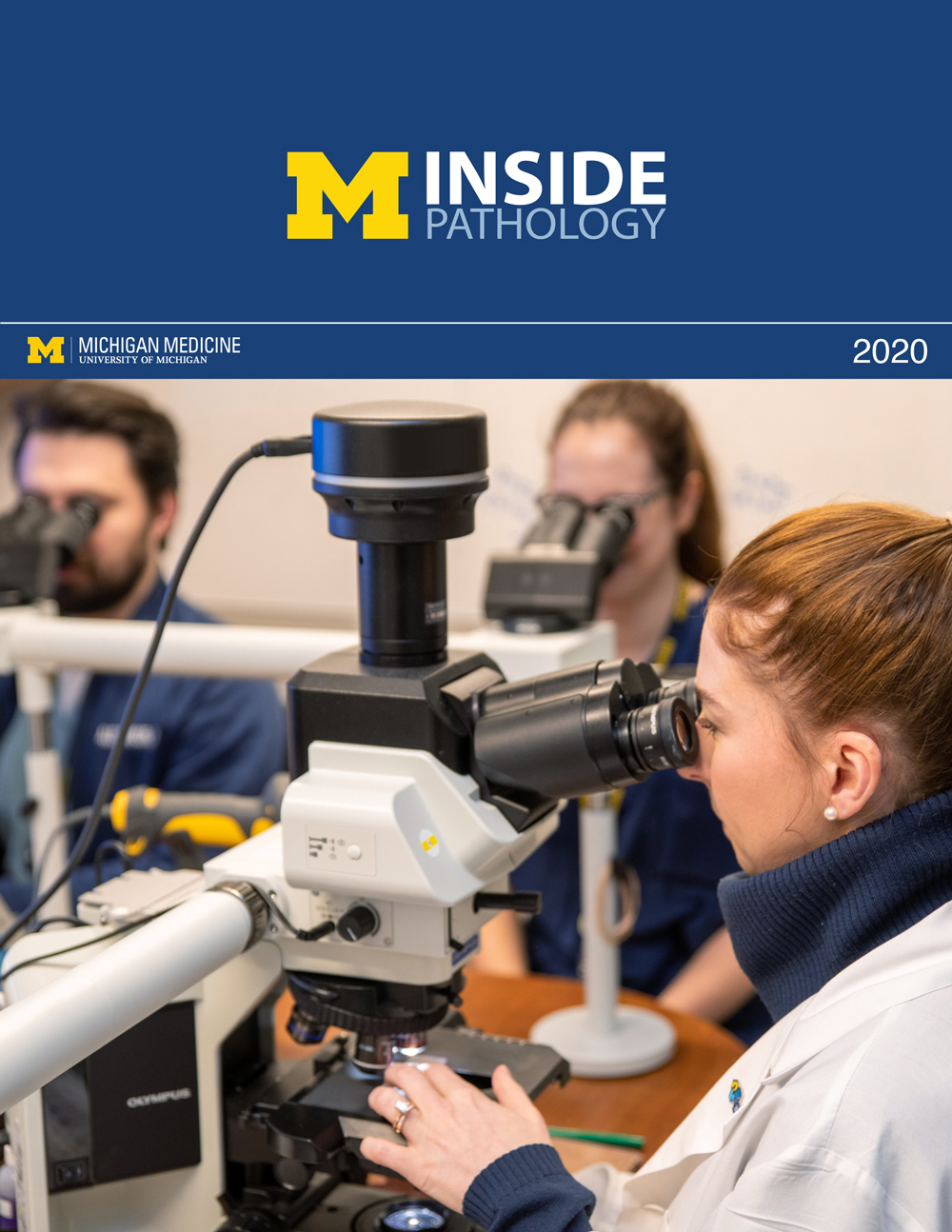 ON THE COVER
Dr. Kristine Konopka (right) instructing residents while using a multi-headed microscope. |
newsletter
INSIDE PATHOLOGYAbout Our NewsletterInside Pathology is an newsletter published by the Chairman's Office to bring news and updates from inside the department's research and to become familiar with those leading it. It is our hope that those who read it will enjoy hearing about those new and familiar, and perhaps help in furthering our research. CONTENTS
|
 ON THE COVER
Patient specimens poised for COVID-19 PCR testing. |
newsletter
INSIDE PATHOLOGYAbout Our NewsletterInside Pathology is an newsletter published by the Chairman's Office to bring news and updates from inside the department's research and to become familiar with those leading it. It is our hope that those who read it will enjoy hearing about those new and familiar, and perhaps help in furthering our research. CONTENTS
|
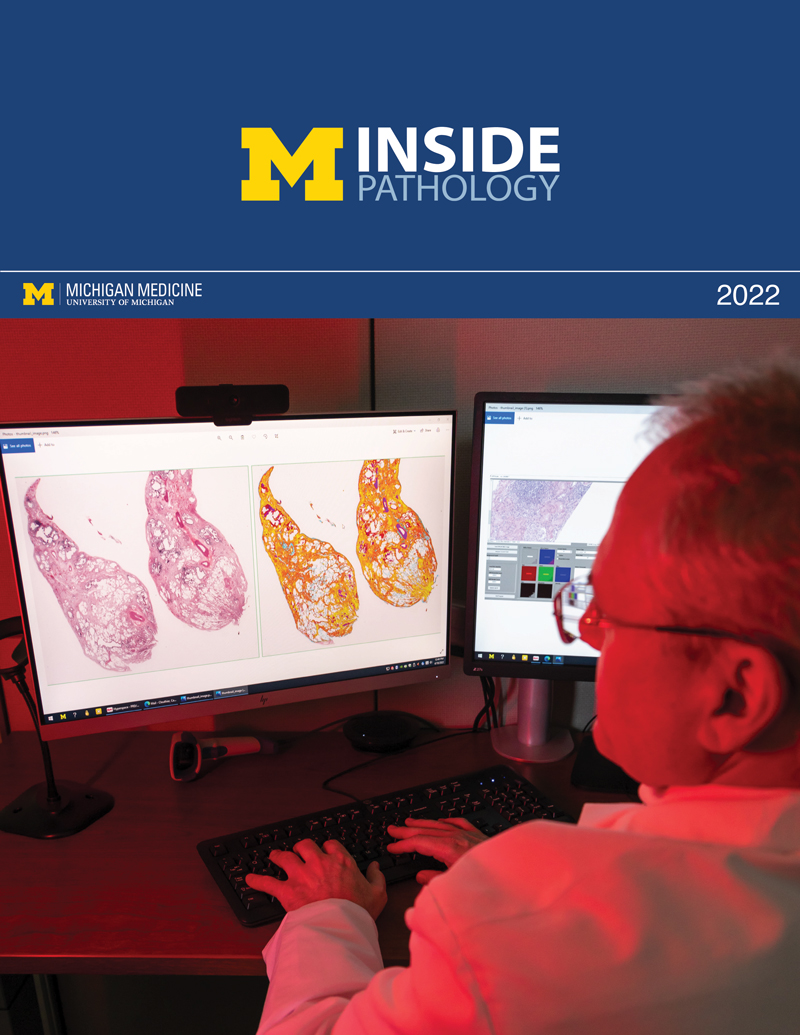 ON THE COVER
Dr. Pantanowitz demonstrates using machine learning in analyzing slides. |
newsletter
INSIDE PATHOLOGYAbout Our NewsletterInside Pathology is an newsletter published by the Chairman's Office to bring news and updates from inside the department's research and to become familiar with those leading it. It is our hope that those who read it will enjoy hearing about those new and familiar, and perhaps help in furthering our research. CONTENTS
|
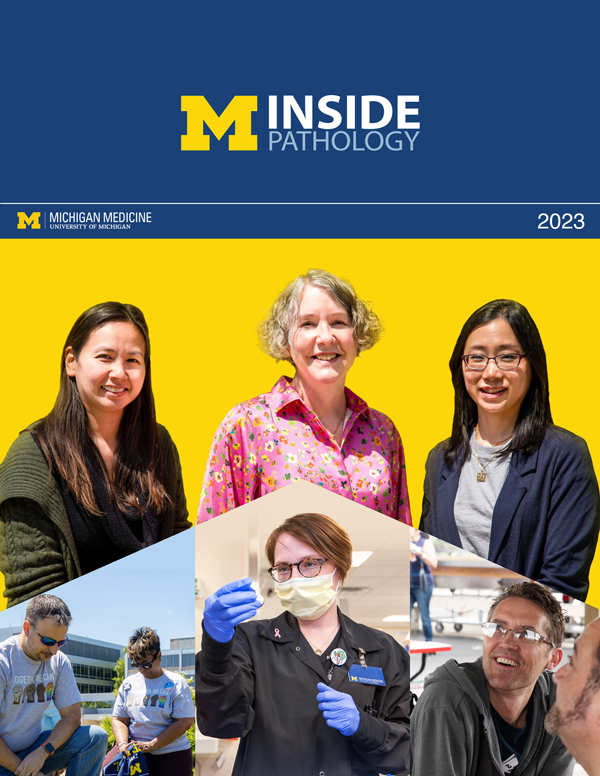 ON THE COVER
(Left to Right) Drs. Angela Wu, Laura Lamps, and Maria Westerhoff. |
newsletter
INSIDE PATHOLOGYAbout Our NewsletterInside Pathology is an newsletter published by the Chairman's Office to bring news and updates from inside the department's research and to become familiar with those leading it. It is our hope that those who read it will enjoy hearing about those new and familiar, and perhaps help in furthering our research. CONTENTS
|
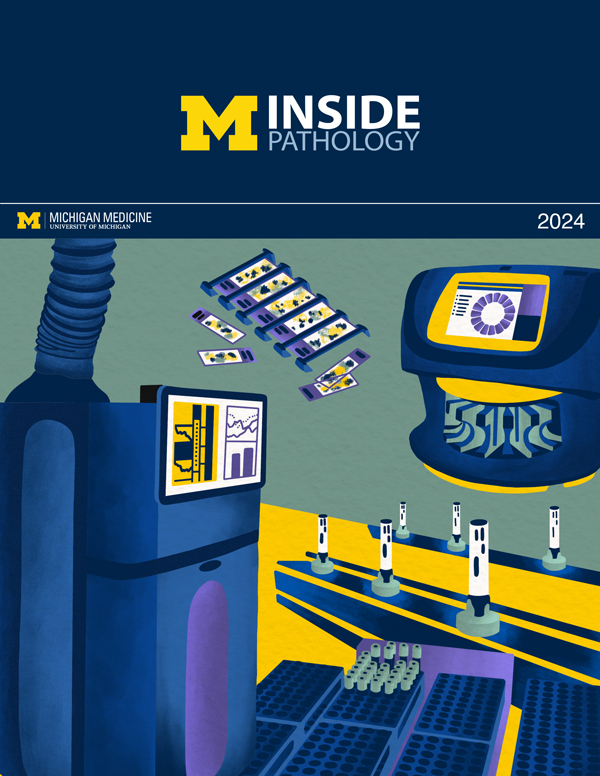 ON THE COVER
Illustration representing the various machines and processing used within our labs. |
newsletter
INSIDE PATHOLOGYAbout Our NewsletterInside Pathology is an newsletter published by the Chairman's Office to bring news and updates from inside the department's research and to become familiar with those leading it. It is our hope that those who read it will enjoy hearing about those new and familiar, and perhaps help in furthering our research. CONTENTS
|
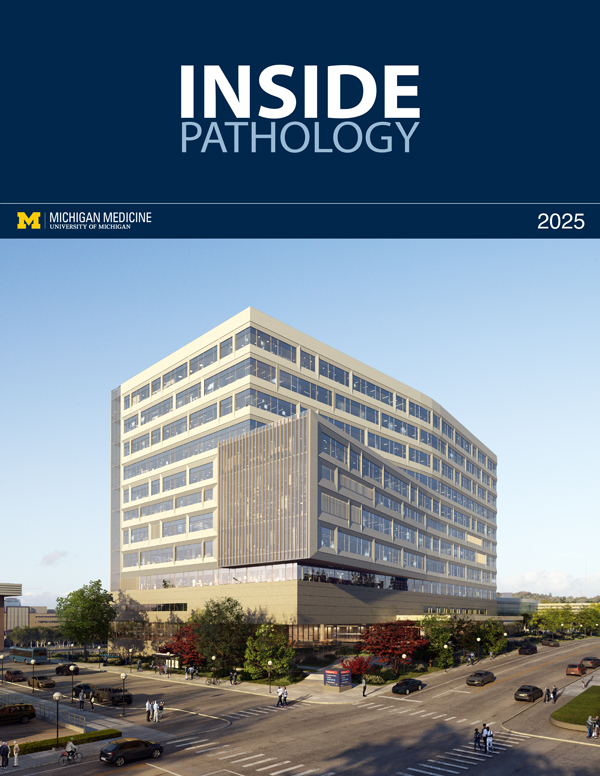 ON THE COVER
Rendering of the D. Dan and Betty Khn Health Care Pavilion. Credit: HOK |
newsletter
INSIDE PATHOLOGYAbout Our NewsletterInside Pathology is an newsletter published by the Chairman's Office to bring news and updates from inside the department's research and to become familiar with those leading it. It is our hope that those who read it will enjoy hearing about those new and familiar, and perhaps help in furthering our research. CONTENTS
|

MLabs, established in 1985, functions as a portal to provide pathologists, hospitals. and other reference laboratories access to the faculty, staff and laboratories of the University of Michigan Health System’s Department of Pathology. MLabs is a recognized leader for advanced molecular diagnostic testing, helpful consultants and exceptional customer service.