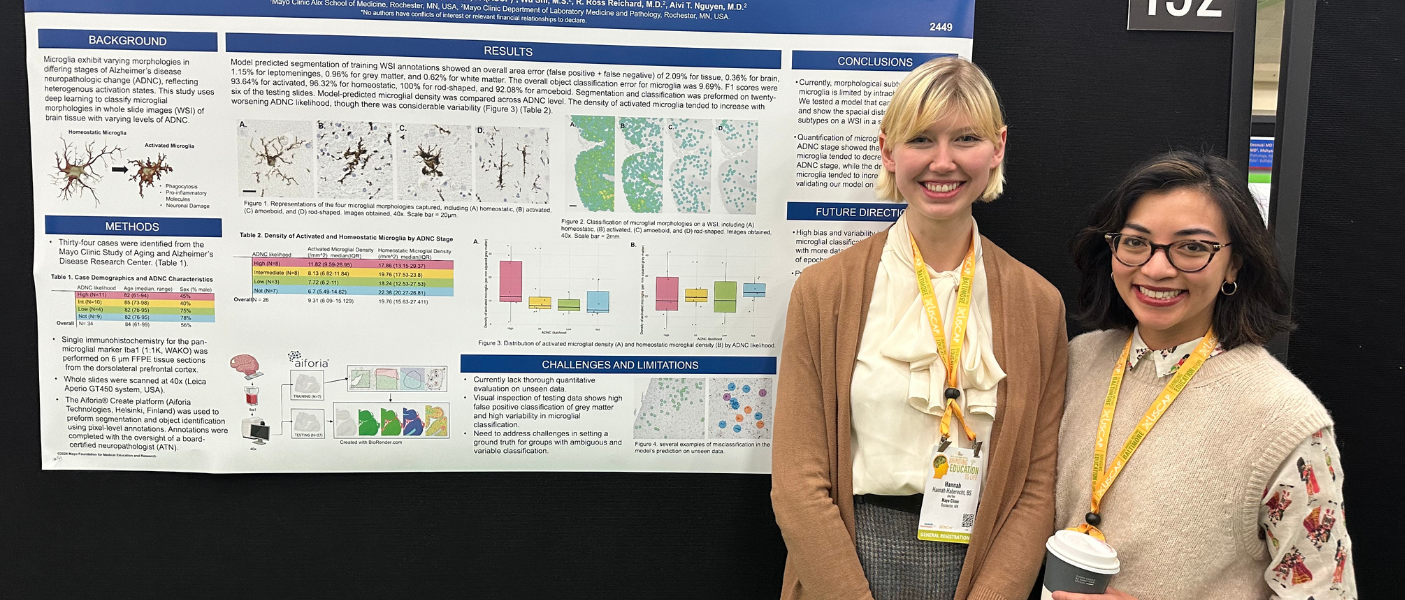
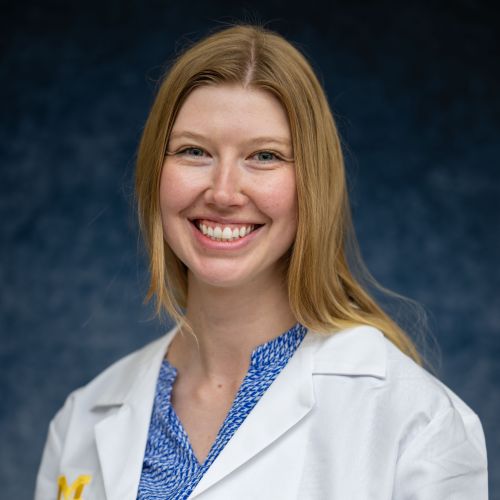
 Long before she entered medical school, Hannah Haberecht, MD, MS, was developing skills that would eventually lead her to pathology.
Growing up in Fort Collins, Colorado, Haberecht was surrounded by creativity. Her father is a landscape architect and her mother is a graphic designer, creating a home filled with art, design, and an appreciation for the natural world.
"In Fort Collins I learned to love the outdoors very early on," she said. "Because of my parents, I was also surrounded by art and creative projects.”
As a student, Haberecht found herself drawn equally to science and observation. Through activities like Science Olympiad, she developed a fascination with identifying trees and insects and learning to recognize patterns in the world around her.
"I enjoyed understanding and naming the visual world," she said. "Looking at something and knowing what it was."
That combination of science, art, and visual recognition would eventually become the foundation for a career in pathology.
Discovering Medicine and a Calling
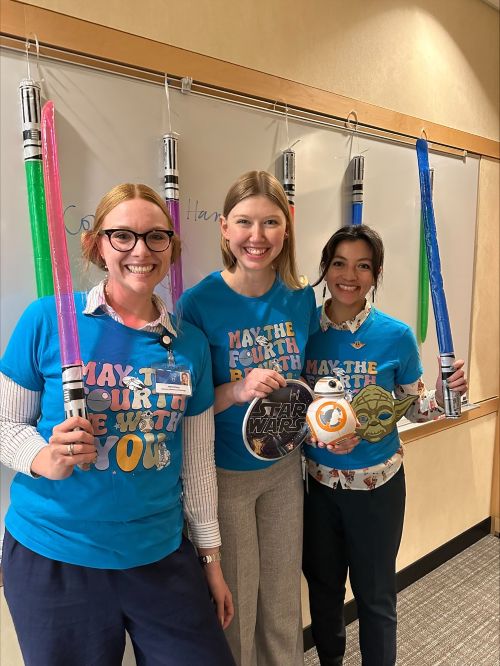 Although medicine wasn't the family business, Haberecht was familiar with the profession through her grandfather and an aunt who are both physicians.
Her interest grew in high school after taking anatomy classes and continued during her studies at Colorado State University, where she majored in biomedical sciences. Along the way, she worked as a certified nursing assistant, patient transporter, and medical assistant.
"I decided that I wanted to use science to serve people," she said. "Medicine seemed like the best way to do that."
Her interest in pathology emerged surprisingly early.
After taking anatomy, microbiology, and histopathology courses as an undergraduate, she entered medical school with pathology already on her radar. Then, on her very first day of medical school, she met a pathologist who came to speak to students.
"He wasn't even talking about pathology," Haberecht recalled with a laugh. "He was there to talk about social media, but he introduced himself as a pathologist and talked a little bit about what he did. I remember thinking, 'I would really like to be you someday.'"
While she explored other specialties throughout medical school, including dermatology, radiology, and internal medicine, she continually found herself returning to pathology.
A Mentor Who Made a Difference
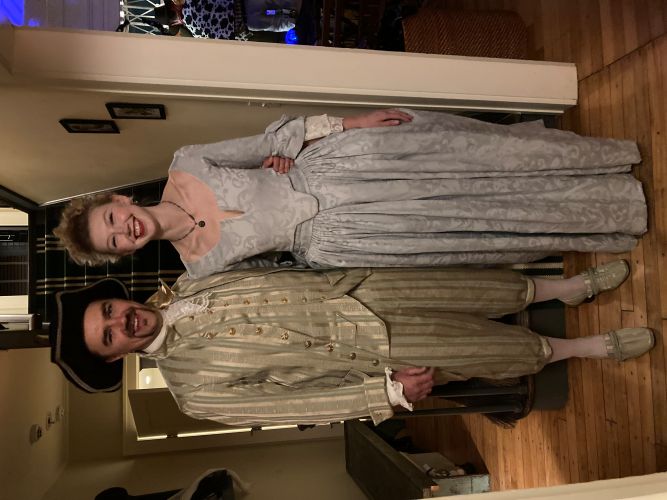 One of the most influential people in Haberecht's pathology journey was Aivi Nguyen, MD, a neuropathologist at Mayo Clinic.
Haberecht began working with Nguyen during her first year of medical school and continued collaborating with her for nearly five years.
"She is such a wonderful teacher and mentor," Haberecht said. "She is incredibly kind, thoughtful and supportive, and she is also just fun, passionate person. Her enthusiasm for pathology and research is infectious."
Their shared interests extended beyond pathology to books, movies, and art, with Nguyen regularly hosting lab paint nights. More importantly, Nguyen helped Haberecht see that pathology combined intellectual rigor with a welcoming community.
"I realized these were people I wanted to work with," she said. "They were doing fascinating work and their academic community was kind, passionate, and collaborative."
During medical school, Haberecht also discovered a passion for teaching. She organized outreach programs for high school students, introducing them to pathology through hands-on activities and case-based learning.
"I realized that I loved the research and the teaching aspects of medicine just as much as the clinical side," she said. "Pathology really brought all of those things together."
Why Michigan?
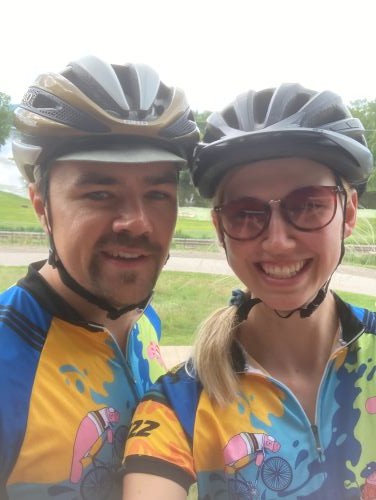 When it came time to choose a residency program, Haberecht had a clear vision of what she wanted.
She was looking for a program with a strong educational culture, opportunities in digital pathology, robust case volume, and a supportive community.
Digital pathology was particularly important because she completed a master's degree in artificial intelligence during medical school and hopes to continue exploring the intersection of technology and pathology throughout her career.
"I wanted a place that valued teaching and was investing in the future of pathology," she said.
An away rotation at the University of Michigan ultimately made the decision easy.
"I loved my experience here," Haberecht said. "The residents genuinely seemed to enjoy spending time together, and everyone was very collaborative and supportive."
The strength of the resident community left a lasting impression.
"That culture really stood out," she said.
An Apprenticeship in Pathology
For Haberecht, residency represents the next stage in a journey she has been anticipating for years.
"I've wanted to learn pathology for a long time," she said. "This feels like the start of an apprenticeship where I finally get to start building those skills."
Just a few weeks into training, she is already impressed by what she sees around her.
"The residents work very hard, but they also have a lot of fun," she said. "There's a sense that people genuinely care about each other."
She points to the conversations, shared traditions, whiteboard games, artwork, and humor throughout the department as evidence of a community that values both excellence and connection.
"I'm struck by how strong the sense of community is here," she said.
She has also been surprised by how quickly her incoming residency class has bonded.
"Our cohort has gotten to know each other really quickly," she said. "People want to spend time together."
Looking Toward the Future
Although Haberecht is keeping an open mind as she progresses through training, she is currently interested in women's health pathology, particularly breast and gynecologic pathology.
"I'm interested in working with that patient population, and I find the pathology itself very interesting," she said.
Long term, she hopes to remain in academic medicine, where she can combine diagnostic work with research and education.
"I would love for teaching and research to be part of the rest of my career."
One of her goals during residency is developing as an educator, particularly in teaching medical students and fellow trainees.
"I want to become better at teaching adults and learners who are working alongside you," she said. "That's a very different skill than teaching grade school and high school students."
Creativity Beyond Medicine
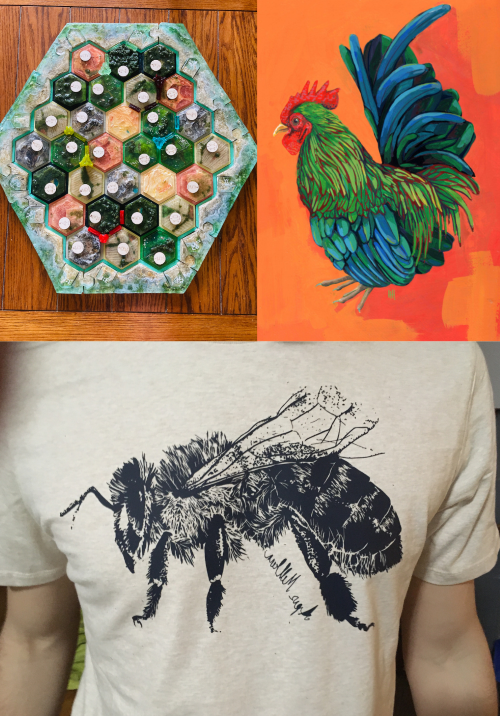 Outside the hospital, Haberecht's artistic side continues to thrive.
She enjoys painting with watercolor and gouache, a medium that combines qualities of watercolor and acrylic paint. She also works with digital mediums, sculpture, modeling clay, and resin casting projects.
Another creative passion is designing and sewing clothing.
"When I have the time, it's one of my favorite things to do," she said.
One of her favorite projects was creating a jellyfish-inspired gown for a themed medical school gala. She has also designed historical costumes, including a 17th-century-inspired dress.
"I love the challenge of creating something from scratch," she said.
Not surprisingly, she hopes her artistic talents will someday intersect with her medical career.
"I would love to illustrate a book one day," she said. "Maybe even a pathology book."
Exploring Michigan on Two Wheels
When she is not painting or sewing, Haberecht enjoys cycling.
An avid road cyclist, she and her fiancé have already begun exploring southeastern Michigan's extensive trail systems and green spaces.
"We've been really impressed by how much natural space there is here," she said.
The couple recently explored portions of the Border-to-Border Trail and are looking forward to discovering more of the region's cycling routes.
For someone who grew up surrounded by Colorado's natural beauty, Michigan has offered a pleasant surprise.
"There are just so many opportunities to get outside," she said.
Advice for Future Pathologists
For medical students considering pathology, Haberecht has simple advice:
"Congratulations. You've found an amazing specialty."
She encourages students to explore pathology through shadowing, research, and educational activities while taking time to get to know the people within the field.
"For me, getting to know the pathology community was an important reason why I chose this specialty," she said. "You might find that you really like the people."
Embracing the Journey
As she begins residency, Haberecht views this new chapter much the way she viewed the first day of medical school: an opportunity to learn something new.
"It feels like starting medical school again in some ways," she said. "There's so much that I don't know yet."
Rather than feeling intimidated, she finds that prospect exciting.
"I love to learn," she said. "I'm excited to jump in and spend every day learning new things."
With a passion for observation, creativity, teaching, and discovery, Haberecht is already finding her place in Michigan Pathology, where science and art come together one slide, one lesson, and one diagnosis at a time.
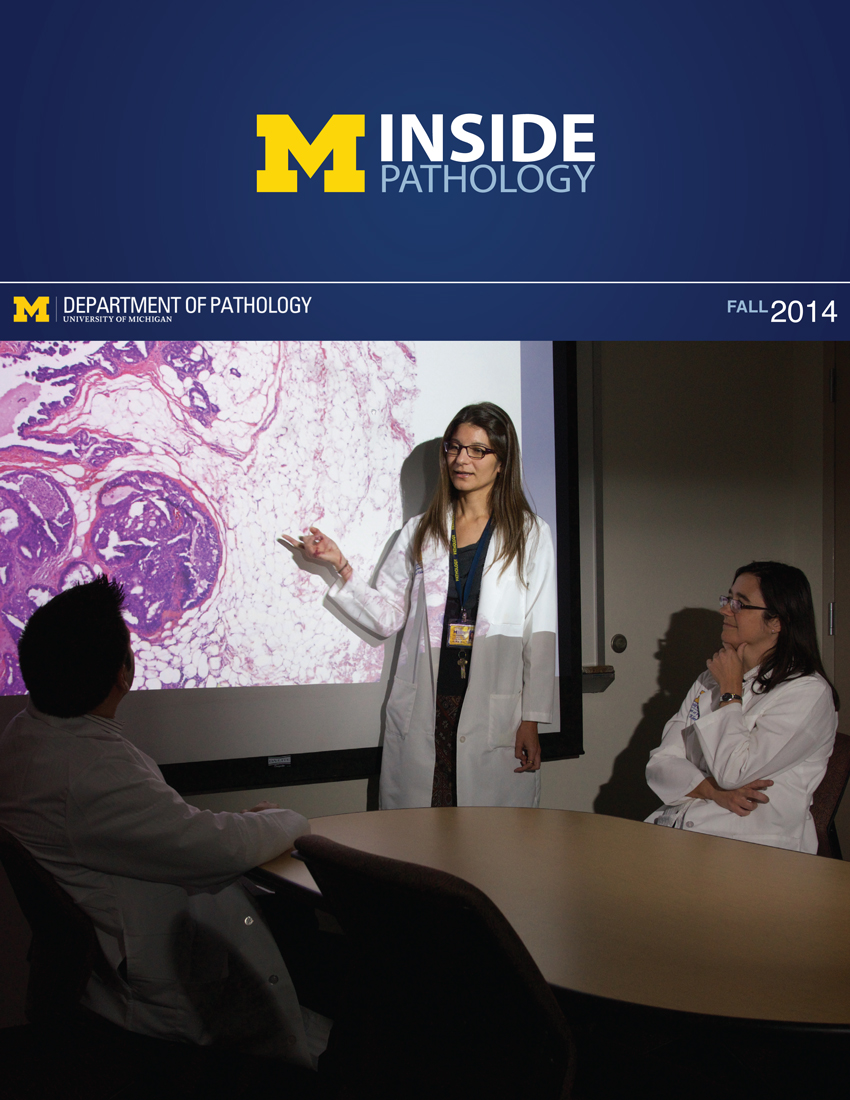 ON THE COVER
Breast team reviewing a patient's slide. (From left to right) Ghassan Allo, Fellow; Laura Walters, Clinical Lecturer; Celina Kleer, Professor. See Article |
newsletter
INSIDE PATHOLOGYAbout Our NewsletterInside Pathology is an newsletter published by the Chairman's Office to bring news and updates from inside the department's research and to become familiar with those leading it. It is our hope that those who read it will enjoy hearing about those new and familiar, and perhaps help in furthering our research. CONTENTS
|
 ON THE COVER
Autopsy Technician draws blood while working in the Wayne County morgue. See Article |
newsletter
INSIDE PATHOLOGYAbout Our NewsletterInside Pathology is an newsletter published by the Chairman's Office to bring news and updates from inside the department's research and to become familiar with those leading it. It is our hope that those who read it will enjoy hearing about those new and familiar, and perhaps help in furthering our research. CONTENTS
|
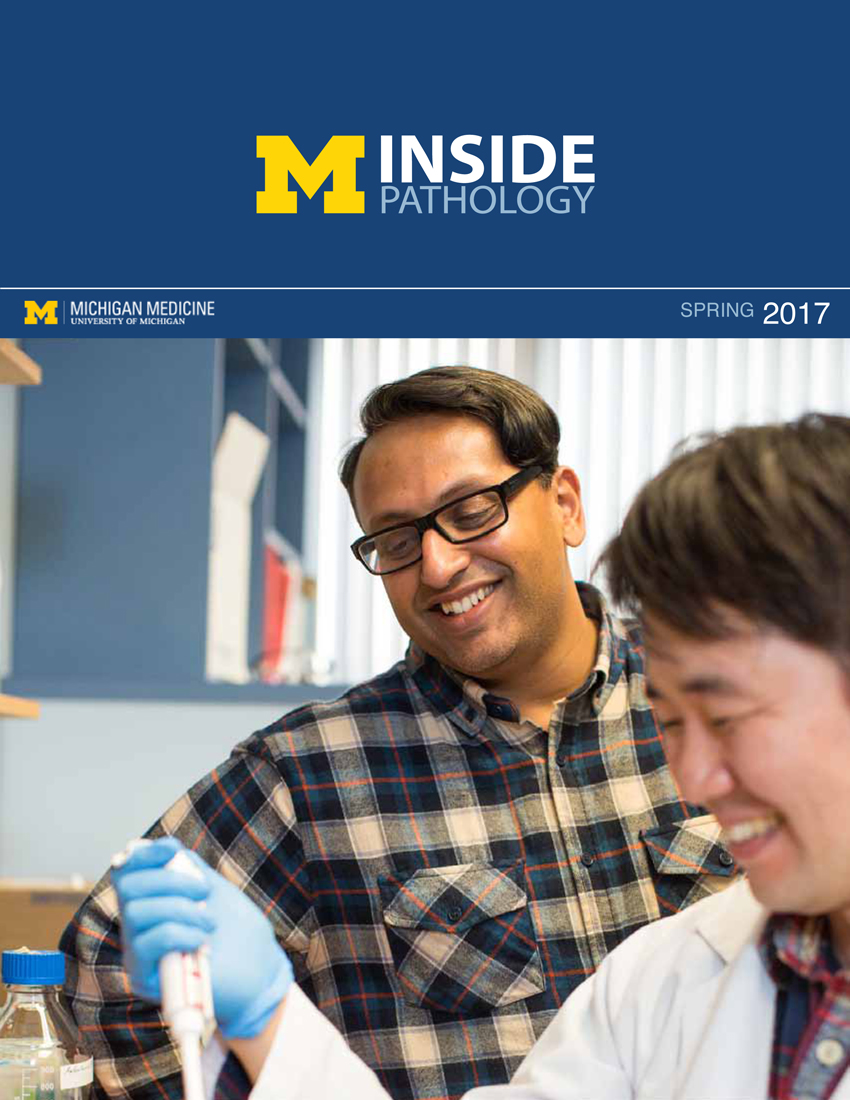 ON THE COVER
Dr. Sriram Venneti, MD, PhD and Postdoctoral Fellow, Chan Chung, PhD investigate pediatric brain cancer. See Article |
newsletter
INSIDE PATHOLOGYAbout Our NewsletterInside Pathology is an newsletter published by the Chairman's Office to bring news and updates from inside the department's research and to become familiar with those leading it. It is our hope that those who read it will enjoy hearing about those new and familiar, and perhaps help in furthering our research. CONTENTS
|
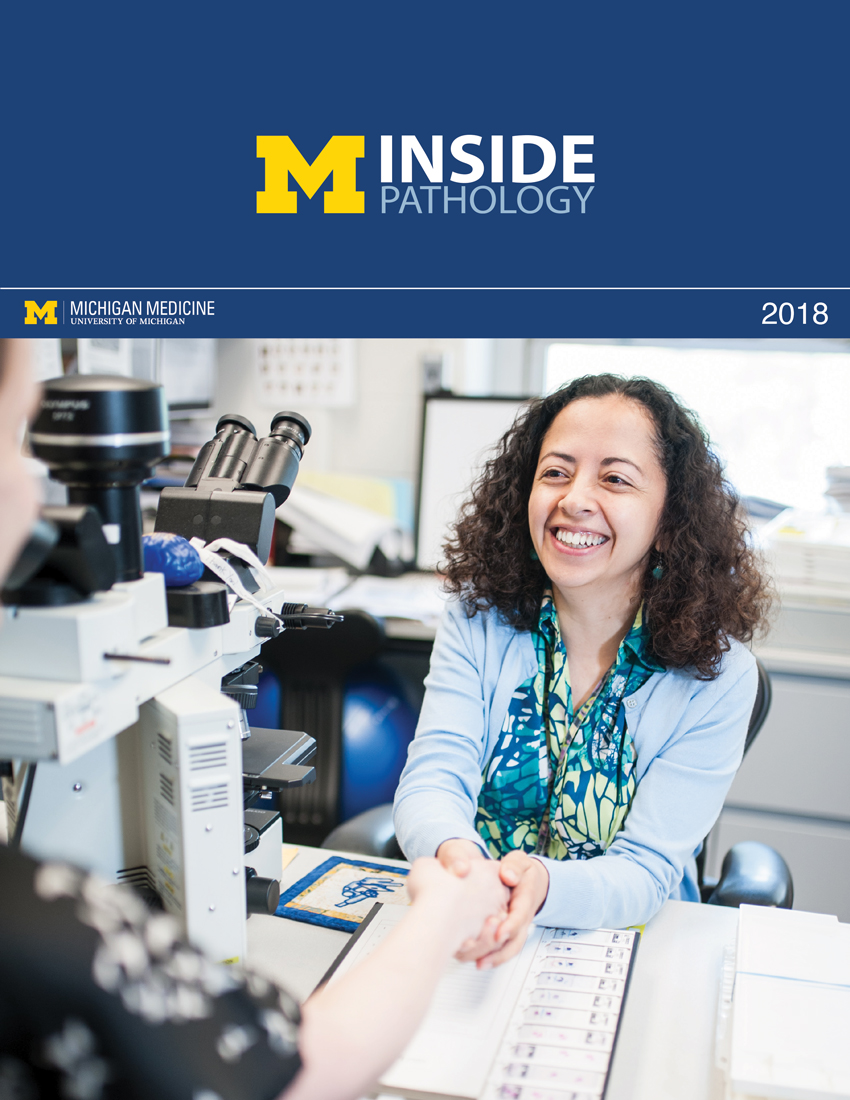 ON THE COVER
Director of the Neuropathology Fellowship, Dr. Sandra Camelo-Piragua serves on the Patient and Family Advisory Council. |
newsletter
INSIDE PATHOLOGYAbout Our NewsletterInside Pathology is an newsletter published by the Chairman's Office to bring news and updates from inside the department's research and to become familiar with those leading it. It is our hope that those who read it will enjoy hearing about those new and familiar, and perhaps help in furthering our research. CONTENTS
|
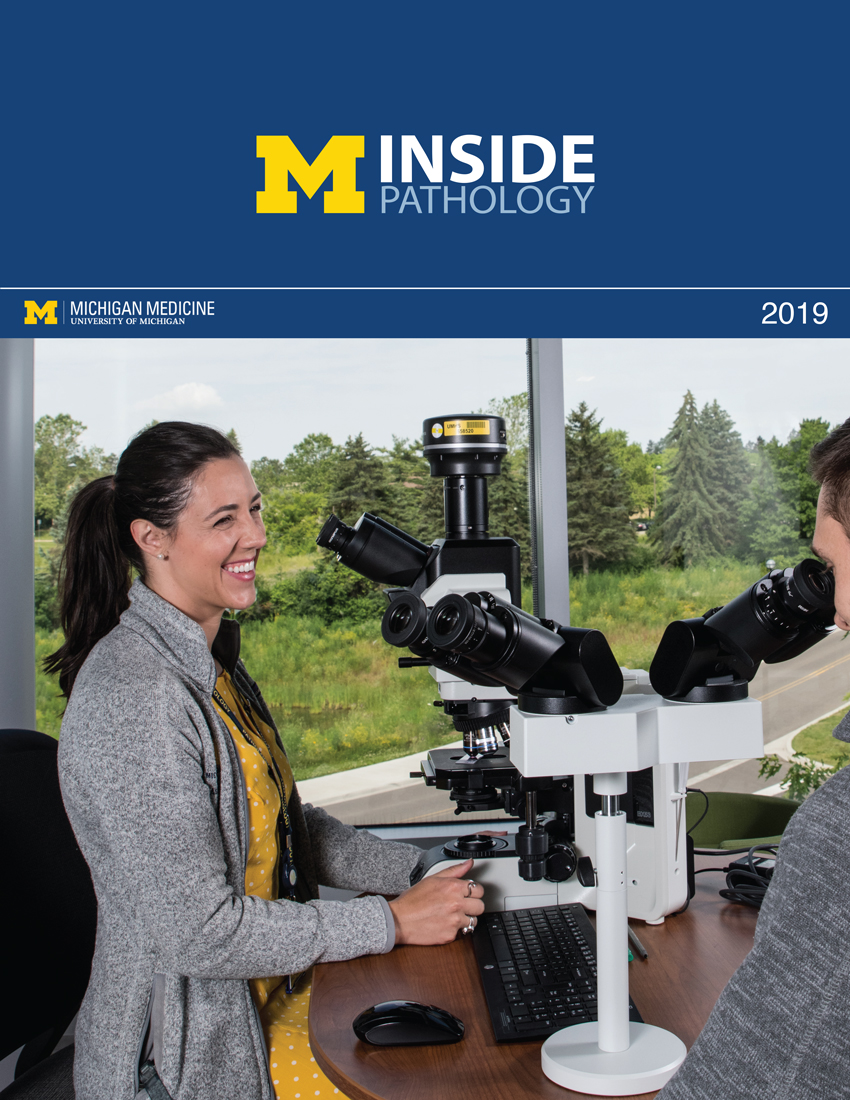 ON THE COVER
Residents Ashley Bradt (left) and William Perry work at a multi-headed scope in our new facility. |
newsletter
INSIDE PATHOLOGYAbout Our NewsletterInside Pathology is an newsletter published by the Chairman's Office to bring news and updates from inside the department's research and to become familiar with those leading it. It is our hope that those who read it will enjoy hearing about those new and familiar, and perhaps help in furthering our research. CONTENTS
|
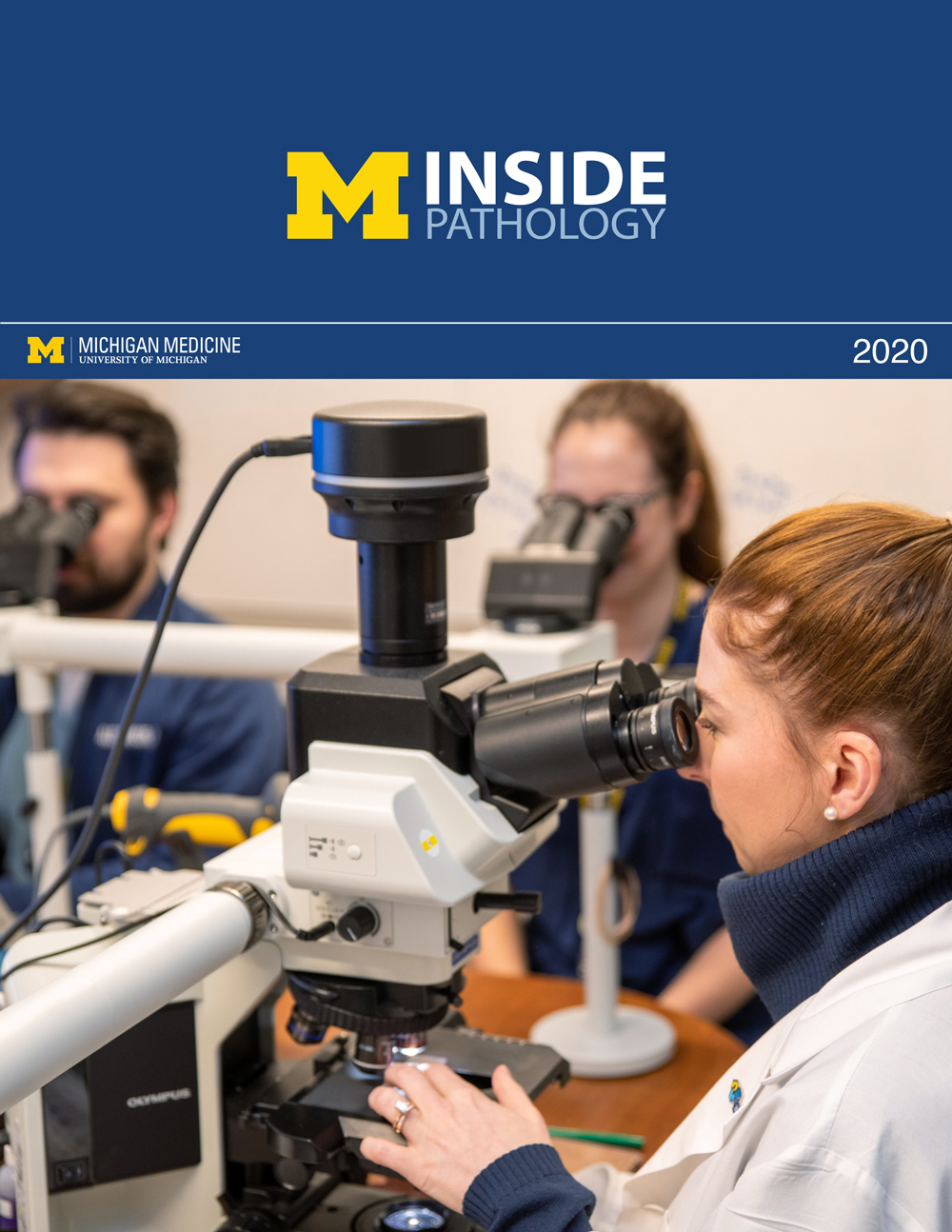 ON THE COVER
Dr. Kristine Konopka (right) instructing residents while using a multi-headed microscope. |
newsletter
INSIDE PATHOLOGYAbout Our NewsletterInside Pathology is an newsletter published by the Chairman's Office to bring news and updates from inside the department's research and to become familiar with those leading it. It is our hope that those who read it will enjoy hearing about those new and familiar, and perhaps help in furthering our research. CONTENTS
|
 ON THE COVER
Patient specimens poised for COVID-19 PCR testing. |
newsletter
INSIDE PATHOLOGYAbout Our NewsletterInside Pathology is an newsletter published by the Chairman's Office to bring news and updates from inside the department's research and to become familiar with those leading it. It is our hope that those who read it will enjoy hearing about those new and familiar, and perhaps help in furthering our research. CONTENTS
|
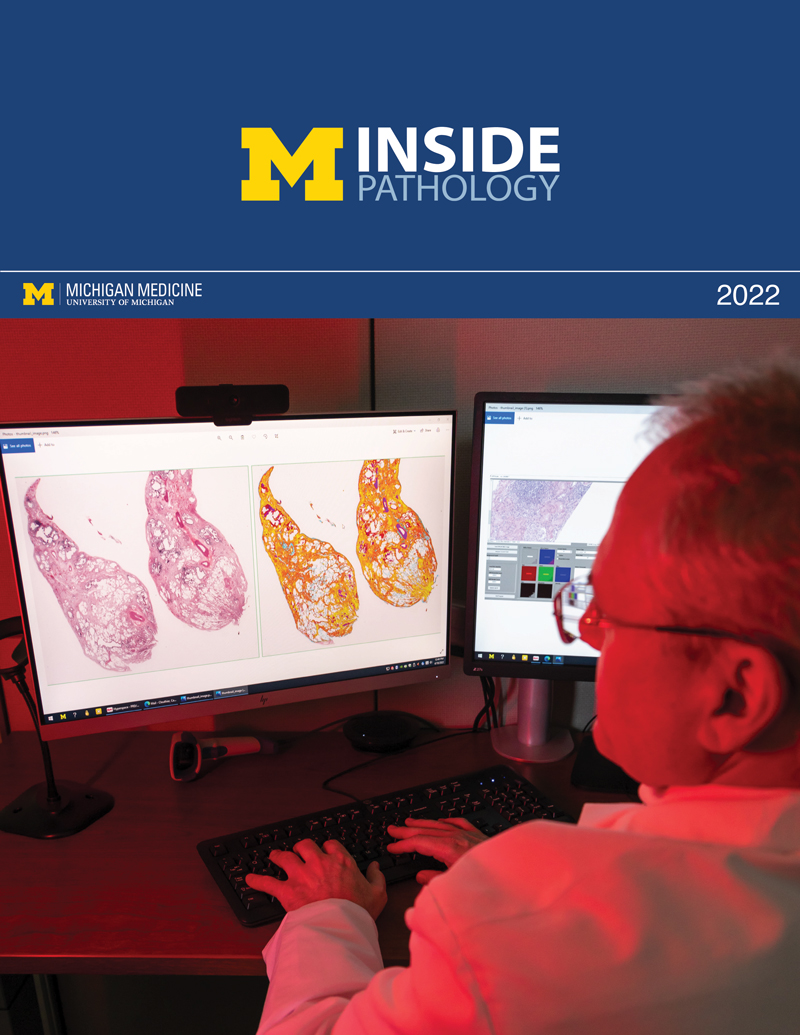 ON THE COVER
Dr. Pantanowitz demonstrates using machine learning in analyzing slides. |
newsletter
INSIDE PATHOLOGYAbout Our NewsletterInside Pathology is an newsletter published by the Chairman's Office to bring news and updates from inside the department's research and to become familiar with those leading it. It is our hope that those who read it will enjoy hearing about those new and familiar, and perhaps help in furthering our research. CONTENTS
|
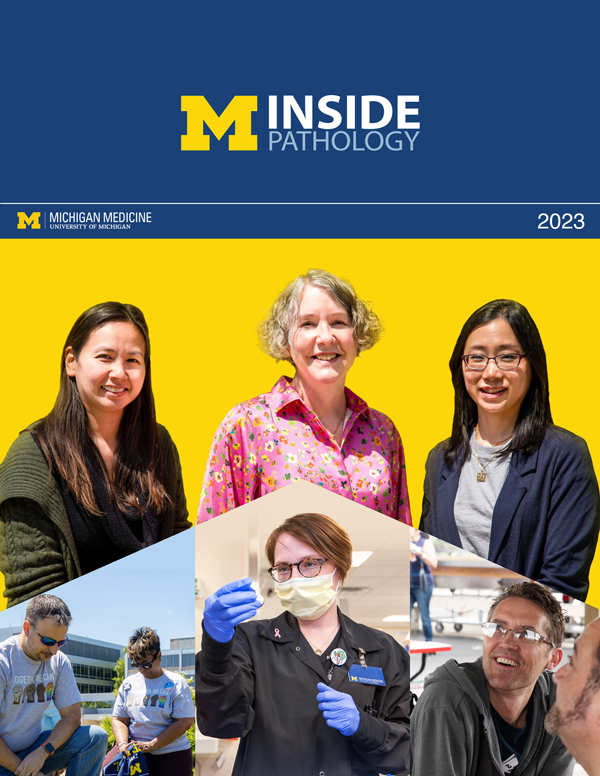 ON THE COVER
(Left to Right) Drs. Angela Wu, Laura Lamps, and Maria Westerhoff. |
newsletter
INSIDE PATHOLOGYAbout Our NewsletterInside Pathology is an newsletter published by the Chairman's Office to bring news and updates from inside the department's research and to become familiar with those leading it. It is our hope that those who read it will enjoy hearing about those new and familiar, and perhaps help in furthering our research. CONTENTS
|
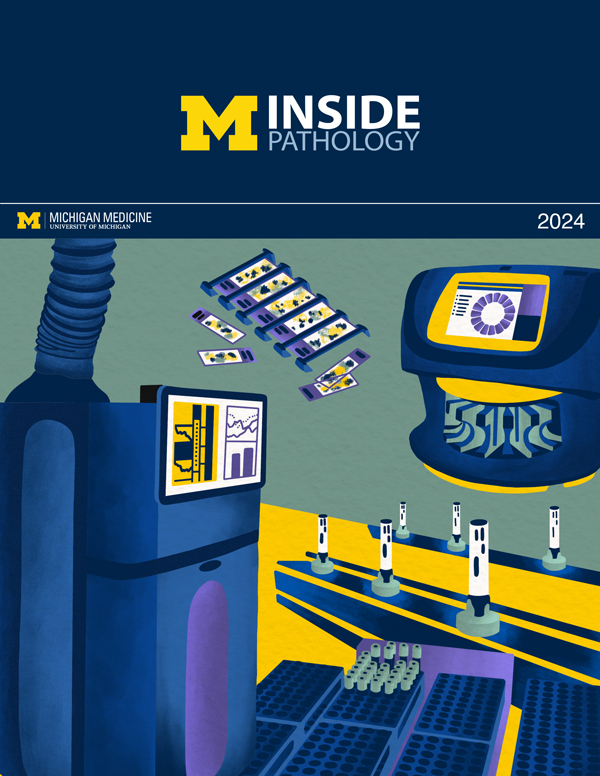 ON THE COVER
Illustration representing the various machines and processing used within our labs. |
newsletter
INSIDE PATHOLOGYAbout Our NewsletterInside Pathology is an newsletter published by the Chairman's Office to bring news and updates from inside the department's research and to become familiar with those leading it. It is our hope that those who read it will enjoy hearing about those new and familiar, and perhaps help in furthering our research. CONTENTS
|
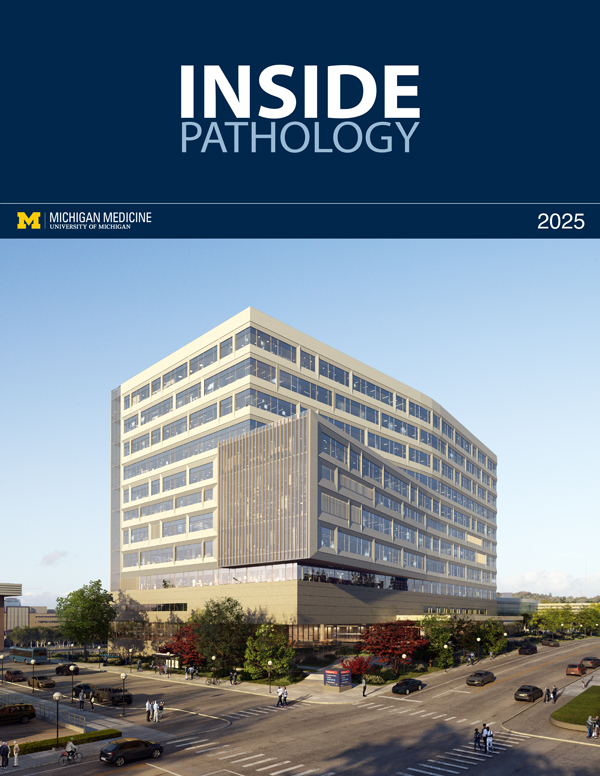 ON THE COVER
Rendering of the D. Dan and Betty Khn Health Care Pavilion. Credit: HOK |
newsletter
INSIDE PATHOLOGYAbout Our NewsletterInside Pathology is an newsletter published by the Chairman's Office to bring news and updates from inside the department's research and to become familiar with those leading it. It is our hope that those who read it will enjoy hearing about those new and familiar, and perhaps help in furthering our research. CONTENTS
|
MLabs, established in 1985, functions as a portal to provide pathologists, hospitals. and other reference laboratories access to the faculty, staff and laboratories of the University of Michigan Health System’s Department of Pathology. MLabs is a recognized leader for advanced molecular diagnostic testing, helpful consultants and exceptional customer service.