.png)
University of Michigan's Molecular and Cellular Pathology Graduate Program marks a quarter-century of showcasing research, fostering collaboration, and developing the next generation of scientists.
The Department of Pathology celebrated a significant milestone on November 6, 2026, hosting its 25th Annual Pathology Research Symposium. The event brought together 168 graduate students, faculty, trainees, alumni, and research staff for a day of scientific exchange, professional development, and recognition of outstanding achievements.
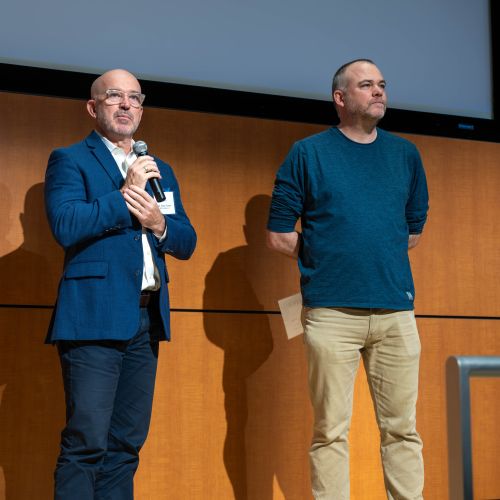 Organized by the Molecular and Cellular Pathology (MCP) Graduate Student Council and sponsored by the Department of Pathology, the annual symposium gives emerging scientists a chance to share their work, engage with established investigators, and build connections across the research community.
Now in its 25th year, the symposium continues to reflect the MCP Graduate Program's commitment to scientific excellence, mentorship, and developing future leaders in biomedical research.
“This celebrates 25 years of achievements of our MCP graduates and their successful careers in academia, the biotch/pharma industry, teaching, scientific publishing, clinical research, or governmental/regulatory agencies. We are pleased to welcome students, alumni, and distinguished faculty to our Symposium. This year, we crossed the 100-graduate milestone, and we look forward to a bright future with many more,” said Dr. Jeff Rual, Co-Director of the MCP Graduate Program.
Advancing the Search for an HIV Cure
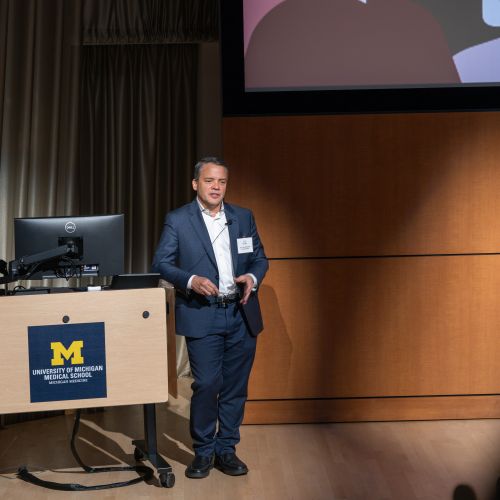 A highlight of the symposium was the keynote presentation by Luis J. Montaner, DVM, DPhil, Executive Vice President of The Wistar Institute in Philadelphia, founding director of its HIV Cure and Viral Diseases Center, and the Kean Family Endowed Chair Professor.
Montaner, an internationally recognized investigator in HIV immunology and cure research, delivered the keynote address, "BEAT-HIV 2026: Cure-Directed Strategies Against HIV."
His research focuses on understanding the immune system's response to HIV infection and developing strategies to achieve long-term viral control or elimination. As co-principal investigator of both the NIH-funded BEAT-HIV Martin Delaney Collaboratory and the iCure Consortium, Montaner helps lead interdisciplinary efforts to develop combination approaches to HIV cure research, including a personalized HIV cure-directed strategy.
His work bridges fundamental immunology, translational research, clinical investigation, and community engagement, demonstrating the importance of collaboration in addressing complex biomedical challenges.
“I am honored to present my research at the 25th Annual Pathology Research Symposium. As researchers like me reach the second half of our careers, it is important to stress that our future rests in programs like yours - graduate students are the science leaders of tomorrow. I want to encourage you; know we are all looking out for you to be sure the future is much brighter for you moving forward,” said Montaner.
Highlighting Scientific Discovery and Professional Development
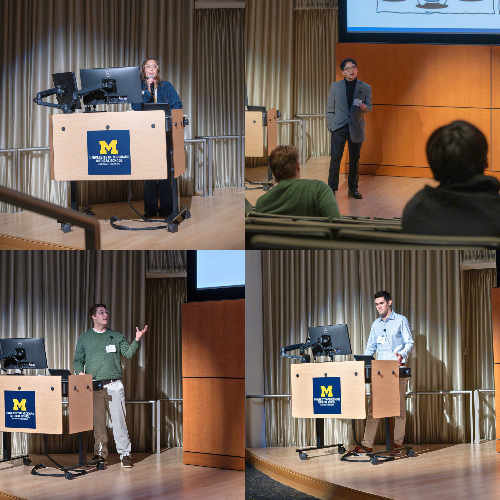 Throughout the day, the symposium featured presentations by MCP graduate students, University of Michigan faculty, clinical trainees, and alumni, highlighting both the department's scientific depth and the breadth of opportunities available to researchers.
Graduate student presenters Paula Reichel, Bretton Badenoch, Max Keller, and Neil Zhao shared their work with colleagues and faculty members, gaining valuable experience communicating their research and participating in scientific dialogue.
For graduate students, the symposium offers an important opportunity to develop presentation skills, receive feedback, and engage with researchers beyond their own laboratories. These experiences are integral to preparing students for careers in academic research, industry, and other scientific professions.
Faculty and invited presentations offered additional perspectives on emerging research areas and the evolving practice of pathology.
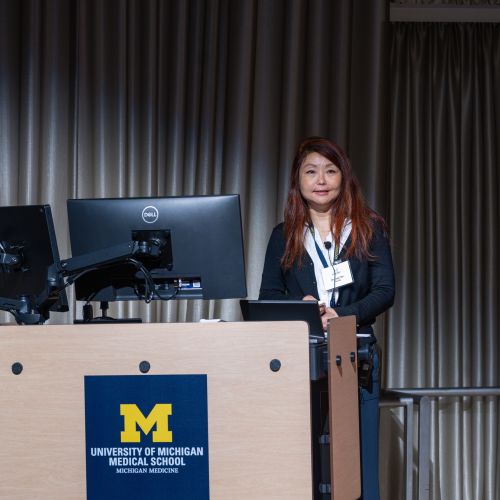 Jiaqi Shi, MD, PhD, professor of pathology, presented "Epigenetic Alteration and the Ecosystem of Pancreatic Cancer," reflecting her laboratory's ongoing work to understand pancreatic cancer biology and identify potential therapeutic targets. Her laboratory’s work has focused on KMT2D, a histone modification enzyme and the most frequently altered epigenetic gene across human cancers. KMT2D loss is associated with poor survival in patients with pancreatic ductal adenocarcinoma (PDAC). Her team found that loss of KMT2D increases the expression of an extracellular matrix (ECM) protein, which promotes neutrophil chemotaxis and T-cell suppression, leading to PDAC progression. This matters because clinical trials targeting this ECM protein signal have shown promising results in ovarian, head and neck, and lung cancers.
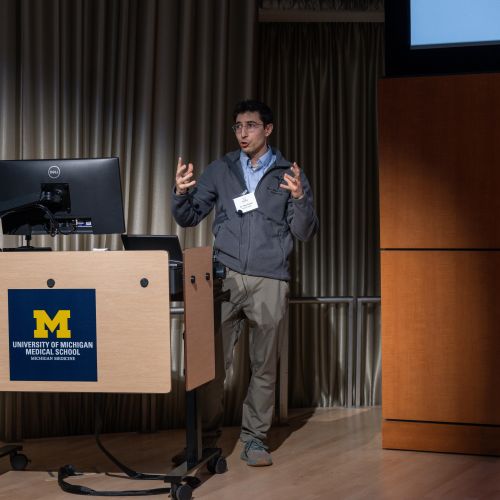 Mark Rudolf, MD, PhD, a neuropathology fellow, delivered a presentation titled "Poor Sleep and Brain Amyloid," addressing an area of investigation relevant to neurodegenerative disease. He and Dr. Crystal Ng of the university's Institute for Social Research examined whether seniors with poor sleep harbored neuropathologic hallmarks of Alzheimer's Disease at brain autopsy. They observed a significant association between sleep fragmentation and amyloid beta (Aβ) levels in the cortex. However, further analyses suggested that the association was modest and potentially reflective of an early manifestation of Alzheimer's, rather than necessarily indicating a causal risk factor.
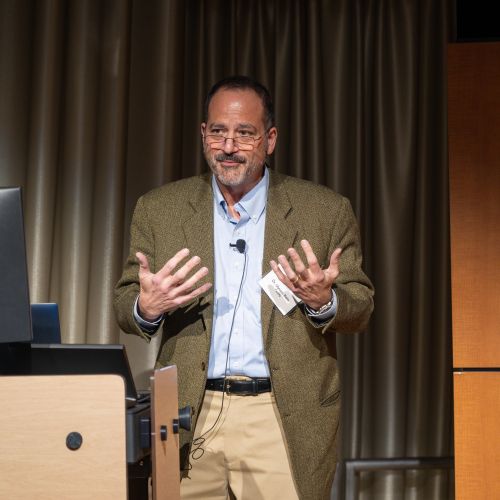 Ulysses Balis, MD, professor of pathology and director of the Division of Pathology Informatics, explored the expanding role of artificial intelligence in biomedical research in his presentation, "Leveraging Large Language Models to Accelerate Discovery." He described several types of prompts and tools he developed to facilitate data analytics in research, saving thousands of hours of manual work. He will share the tools he created with conference attendees.
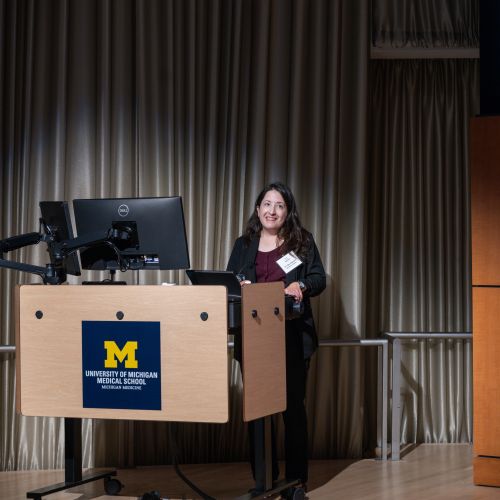 The symposium also welcomed MCP alumna Mary Rogawski, PhD, Senior Manager of Scientific Content for Pharmaceutical Product Development at Thermo Fisher Scientific. Her presentation, "Driving Biomedical Impact through Scientific Communication," highlighted the importance of effectively communicating complex scientific information to extend the reach and impact of biomedical research. She described her career path from bench science to technical communications. Technical communications are essential to ensure complex science is clearly described and is useful for both scientists and customers. She then discussed her role in content strategy, describing the what, why, who, and how of communications. Science communications is a growing, broad career field that requires daily learning.
Together, these presentations illustrated the range of expertise within the pathology community and the importance of connecting scientific discovery with communication, technology, and professional development.
Fostering Collaboration Through Scientific Exchange
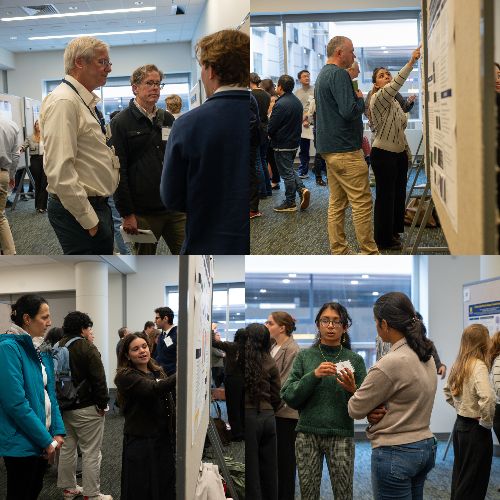 The afternoon poster session gave researchers at different career stages another opportunity to share their work, discuss scientific questions, and exchange ideas with colleagues.
Featuring presentations from undergraduate and graduate students, postdoctoral fellows, clinical trainees, and research staff, the session highlighted the department's broad scholarly activity and the collaborative nature of biomedical research.
Beyond showcasing individual projects, the poster session gave participants opportunities to receive constructive feedback, explore new perspectives, and build professional relationships that can support future scientific collaboration. A record 39 posters were presented at this year’s Symposium prepared by graduate students, undergraduate students, postdoctoral fellows, staff, and a clinical resident.
“Our students presented work spanning epithelial immunology, cancer epigenetics, spatial multi-omics and drug discovery, and what impressed me most was how clearly they communicated it. They explained not just what they observed, but why it matters. That is a skill we work hard to build in the MCP program, and it was on full display in the talks, the poster session and from our student moderators. Dr. Luis Montaner gave an inspiring keynote on the BEAT-HIV cure effort, a great example of how sustained, collaborative science can take on one of medicine’s hardest problems. It was also a real pleasure to welcome back Dr. Mary Rogawski, whose talk reminded our trainees that communicating science well is not a soft skill but a career-defining one, whether in academia, industry or beyond,” said Dr. Simon Hogan, Professor of Pathology and Co-Director of the MCP Graduate Program.
Recognizing Excellence in Research and Service
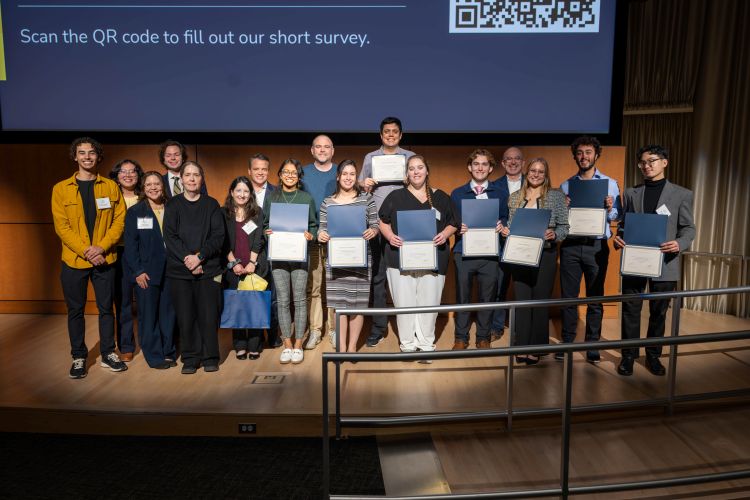 The symposium concluded with an awards ceremony recognizing outstanding research presentations and contributions to the MCP community. Led by Dr. Jennifer Brazil, a team of judges reviewed the posters and selected award winners.
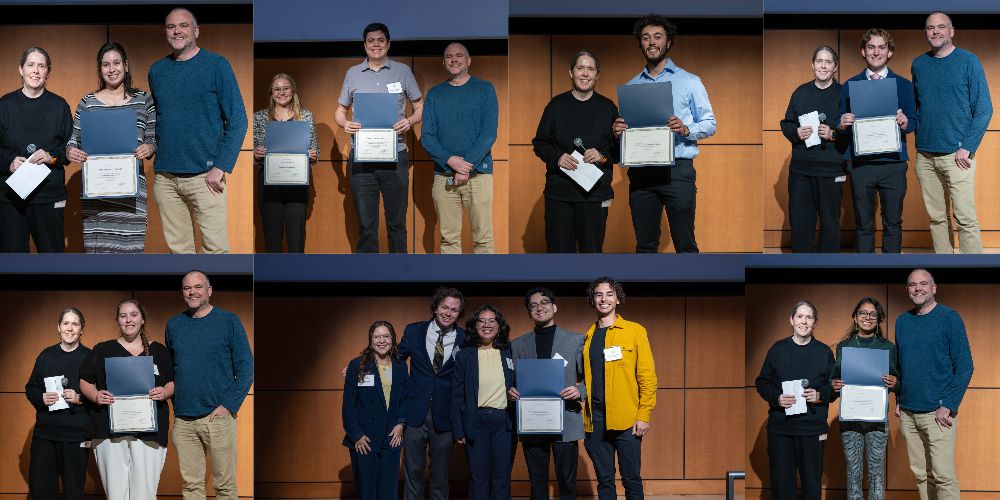
Awards were presented for the best oral presentation and poster presentations across four categories: pre-graduate students, graduate students, postdoctoral trainees, and staff.
The program also recognized recipients of the Outstanding Research Award and Outstanding Service Award, honoring individuals whose achievements and commitment to the MCP community exemplify the program's values of scientific excellence and service.
2026 Symposium Award Recipients
 Celebrating 25 Years of Scientific Community
Beyond the presentations and awards, the 25th Annual Pathology Research Symposium underscored the importance of fostering an environment where scientific curiosity, mentorship, and collaboration can flourish.
The MCP Graduate Student Council and symposium organizers Madison Uyemura, Colter Giem, Heizel Acosta, and Cameron Vasquez made the event possible, with support from MCP Program Co-Directors Simon Hogan, PhD, and Jean-Francois Rual, PhD, and Program Manager Laura Labut. The organizers recognized the considerable support of Labut by presenting her with flowers and a gift. The program also extends its sincere thanks to Charles A. Parkos, MD, PhD, Chair of the Department of Pathology, for the department’s generous sponsorship and continued support of graduate education.
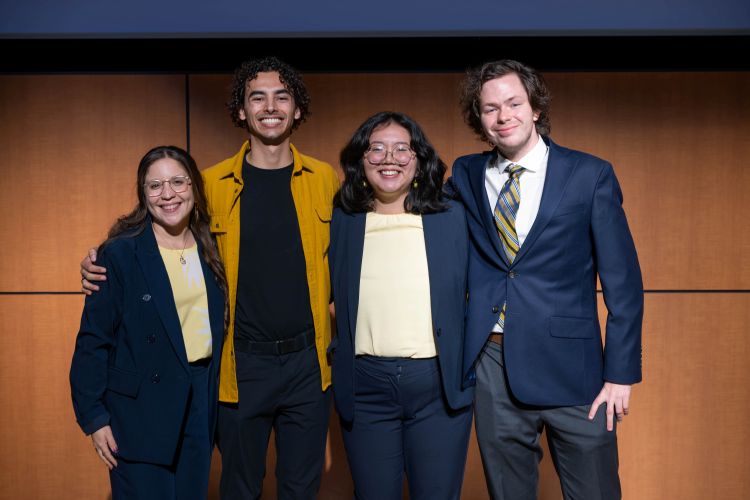 As the symposium marked its 25th anniversary, it celebrated not only present achievements but also the enduring commitment to preparing future generations of investigators.
Through opportunities to present research, learn from established scientists, and build connections across disciplines, the Annual Pathology Research Symposium continues to strengthen a scientific community dedicated to advancing biomedical knowledge and improving human health.
 ON THE COVER Breast team reviewing a patient's slide. (From left to right) Ghassan Allo, Fellow; Laura Walters, Clinical Lecturer; Celina Kleer, Professor. See Article |
newsletter
INSIDE PATHOLOGYAbout Our NewsletterInside Pathology is an newsletter published by the Chairman's Office to bring news and updates from inside the department's research and to become familiar with those leading it. It is our hope that those who read it will enjoy hearing about those new and familiar, and perhaps help in furthering our research. CONTENTS
|
 ON THE COVER Autopsy Technician draws blood while working in the Wayne County morgue. See Article |
newsletter
INSIDE PATHOLOGYAbout Our NewsletterInside Pathology is an newsletter published by the Chairman's Office to bring news and updates from inside the department's research and to become familiar with those leading it. It is our hope that those who read it will enjoy hearing about those new and familiar, and perhaps help in furthering our research. CONTENTS
|
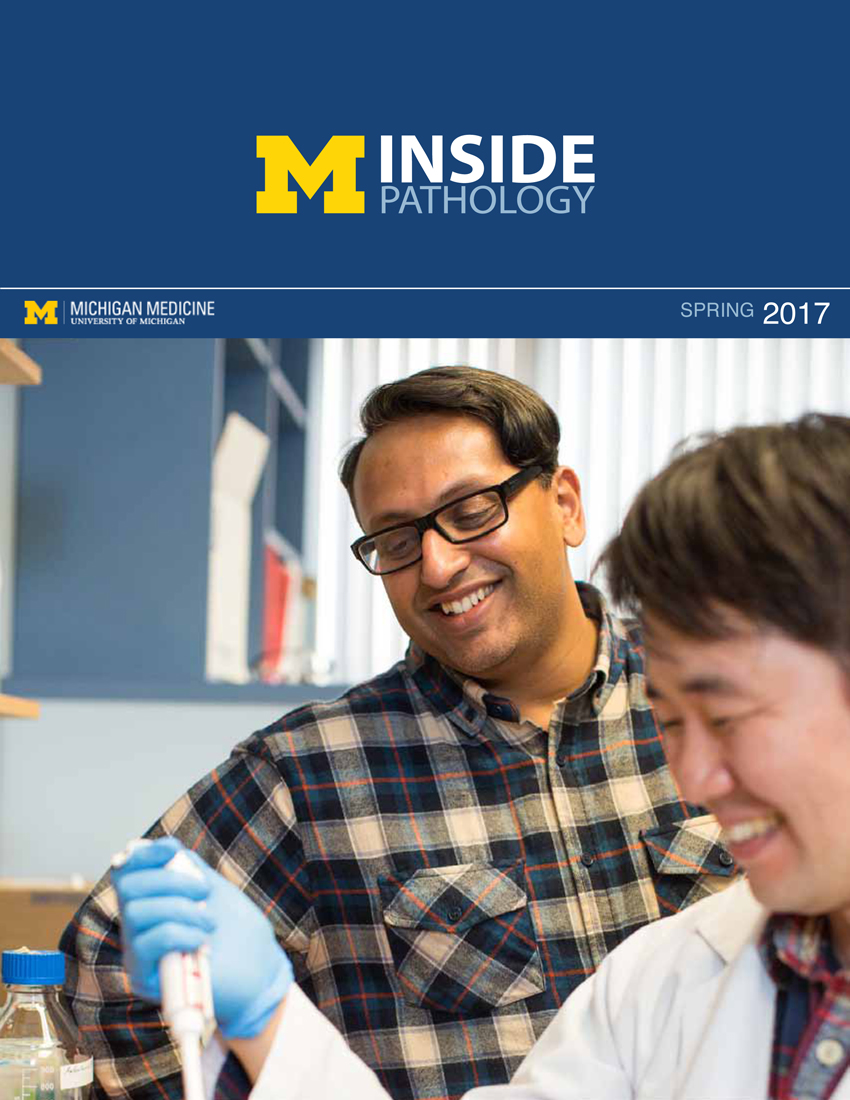 ON THE COVER Dr. Sriram Venneti, MD, PhD and Postdoctoral Fellow, Chan Chung, PhD investigate pediatric brain cancer. See Article |
newsletter
INSIDE PATHOLOGYAbout Our NewsletterInside Pathology is an newsletter published by the Chairman's Office to bring news and updates from inside the department's research and to become familiar with those leading it. It is our hope that those who read it will enjoy hearing about those new and familiar, and perhaps help in furthering our research. CONTENTS
|
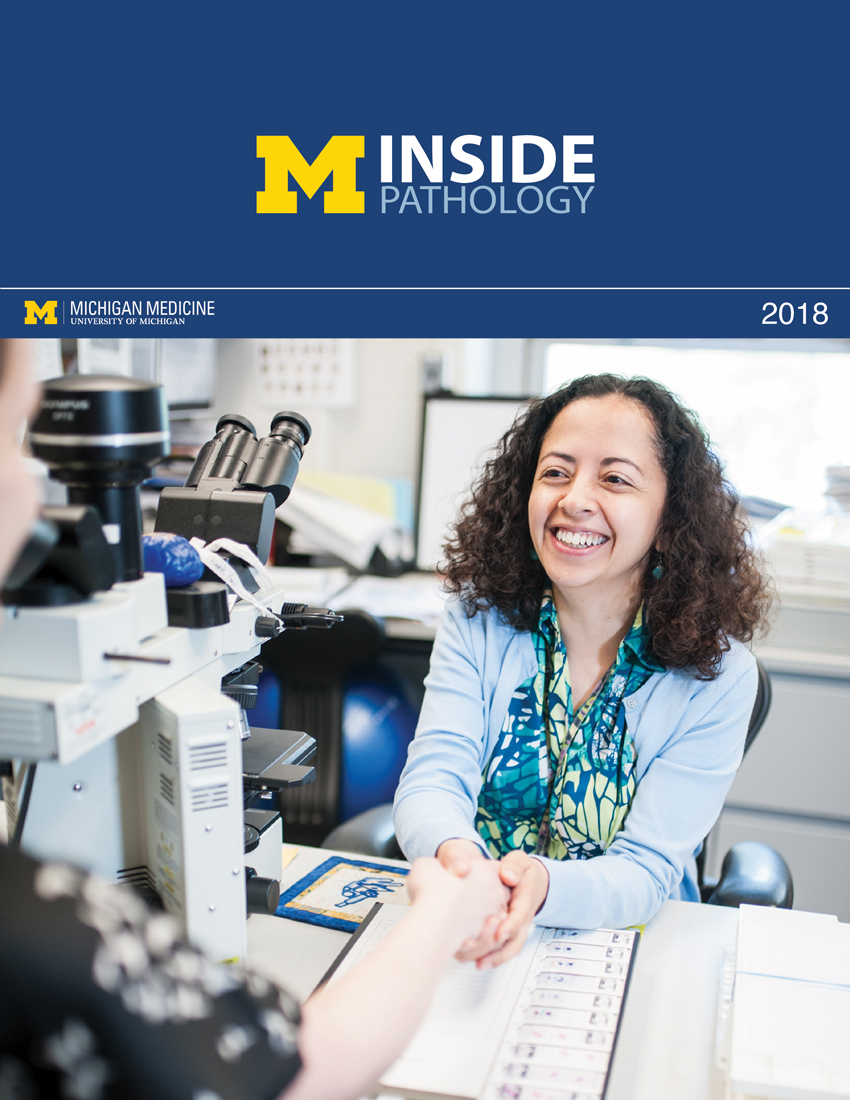 ON THE COVER Director of the Neuropathology Fellowship, Dr. Sandra Camelo-Piragua serves on the Patient and Family Advisory Council. |
newsletter
INSIDE PATHOLOGYAbout Our NewsletterInside Pathology is an newsletter published by the Chairman's Office to bring news and updates from inside the department's research and to become familiar with those leading it. It is our hope that those who read it will enjoy hearing about those new and familiar, and perhaps help in furthering our research. CONTENTS
|
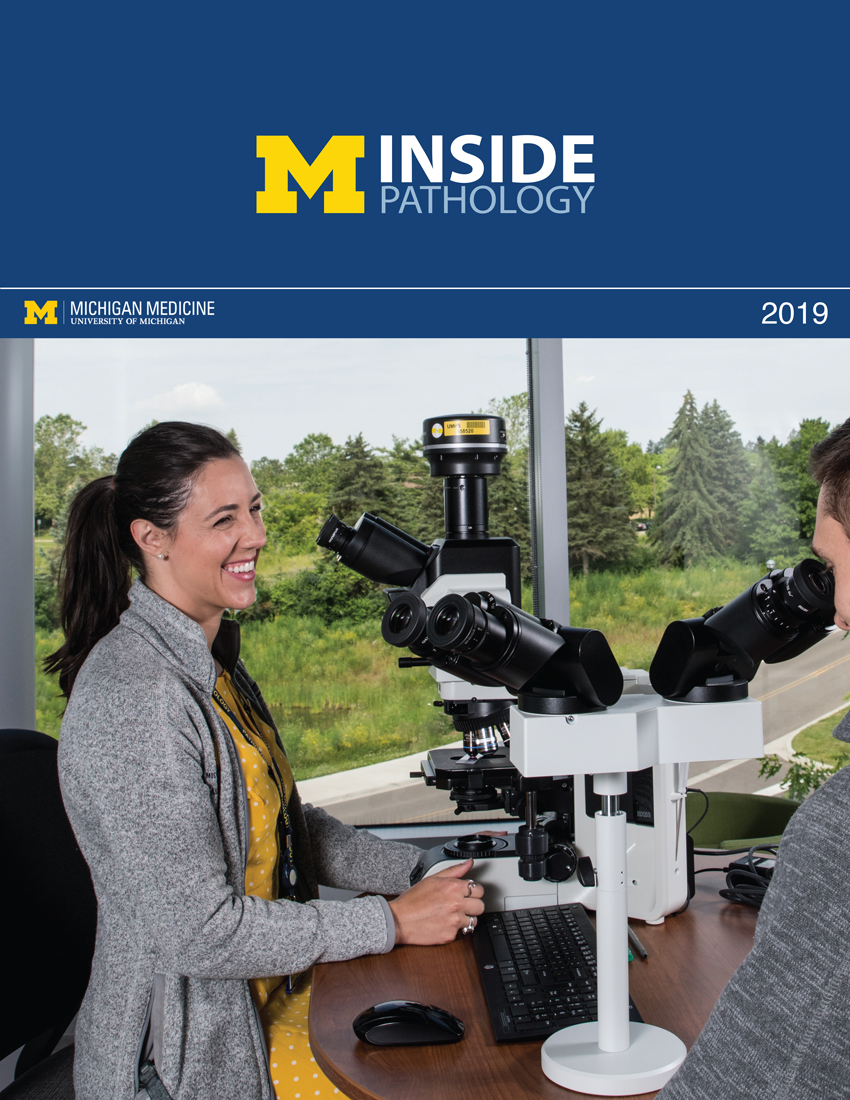 ON THE COVER Residents Ashley Bradt (left) and William Perry work at a multi-headed scope in our new facility. |
newsletter
INSIDE PATHOLOGYAbout Our NewsletterInside Pathology is an newsletter published by the Chairman's Office to bring news and updates from inside the department's research and to become familiar with those leading it. It is our hope that those who read it will enjoy hearing about those new and familiar, and perhaps help in furthering our research. CONTENTS
|
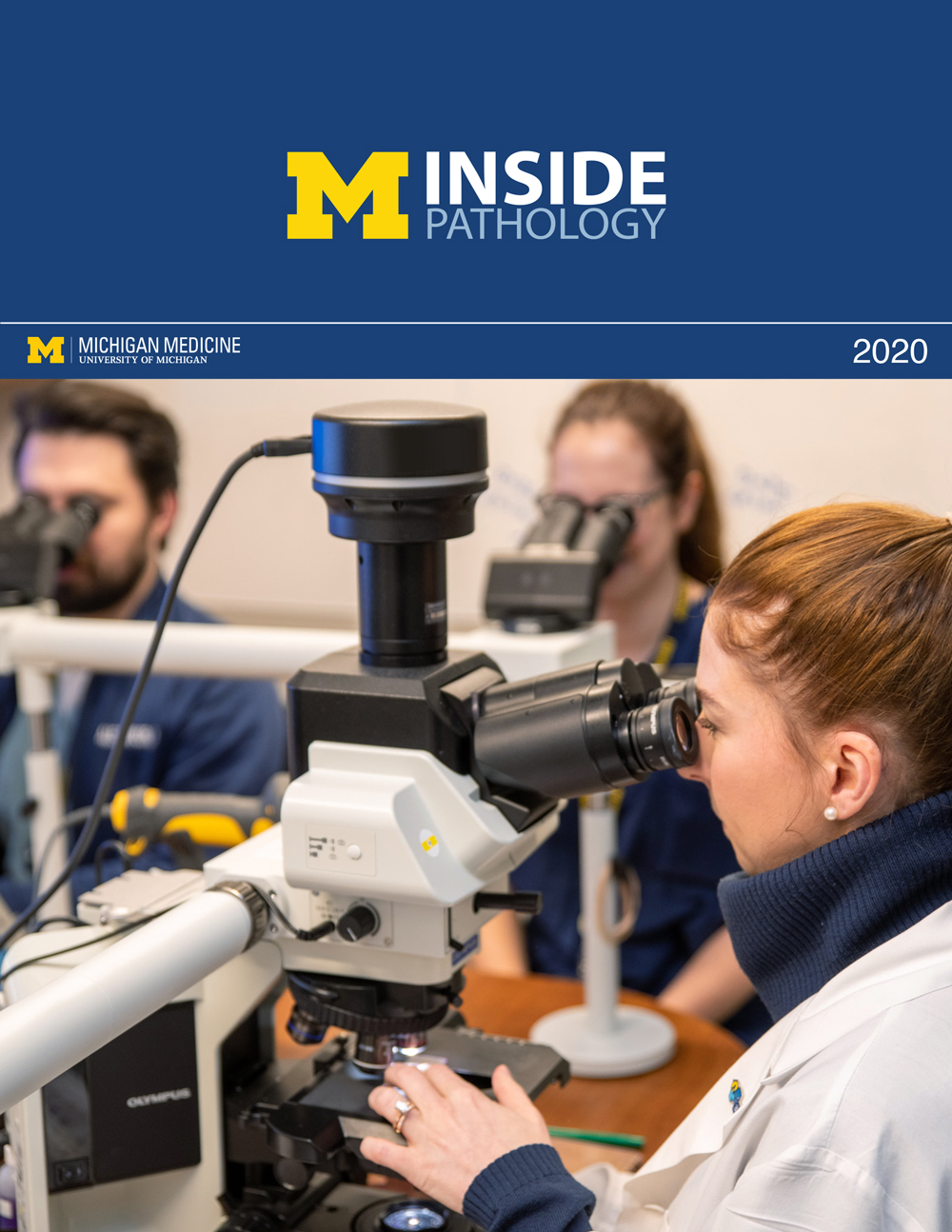 ON THE COVER Dr. Kristine Konopka (right) instructing residents while using a multi-headed microscope. |
newsletter
INSIDE PATHOLOGYAbout Our NewsletterInside Pathology is an newsletter published by the Chairman's Office to bring news and updates from inside the department's research and to become familiar with those leading it. It is our hope that those who read it will enjoy hearing about those new and familiar, and perhaps help in furthering our research. CONTENTS
|
 ON THE COVER Patient specimens poised for COVID-19 PCR testing. |
newsletter
INSIDE PATHOLOGYAbout Our NewsletterInside Pathology is an newsletter published by the Chairman's Office to bring news and updates from inside the department's research and to become familiar with those leading it. It is our hope that those who read it will enjoy hearing about those new and familiar, and perhaps help in furthering our research. CONTENTS
|
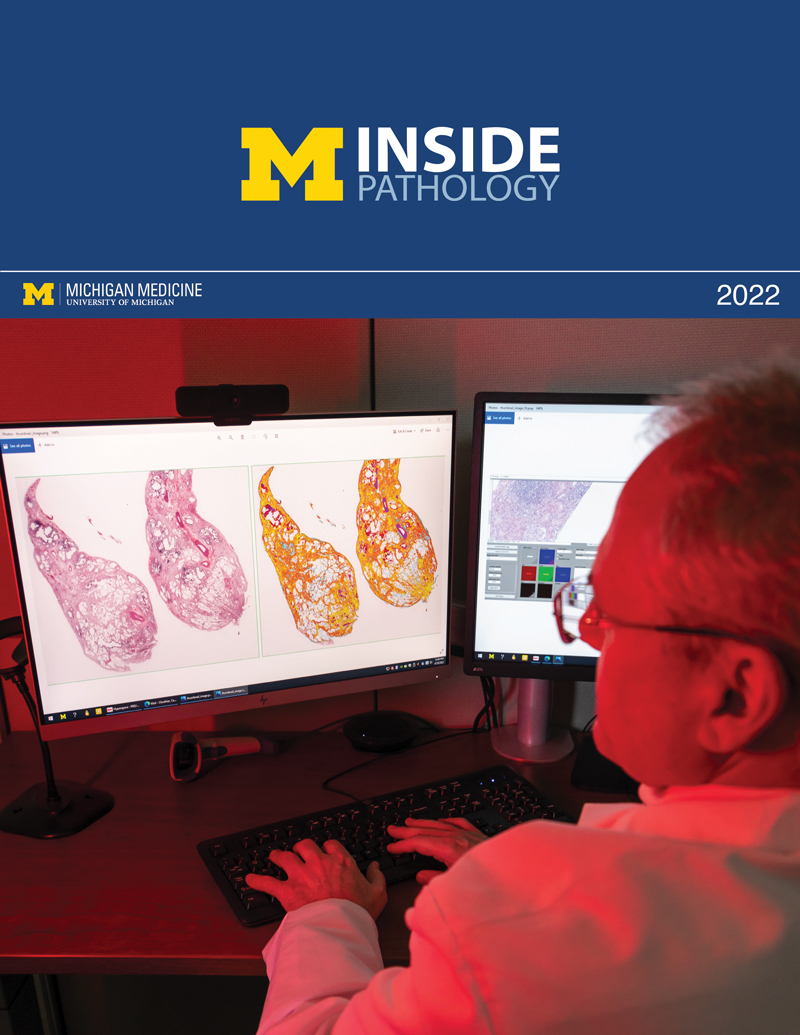 ON THE COVER Dr. Pantanowitz demonstrates using machine learning in analyzing slides. |
newsletter
INSIDE PATHOLOGYAbout Our NewsletterInside Pathology is an newsletter published by the Chairman's Office to bring news and updates from inside the department's research and to become familiar with those leading it. It is our hope that those who read it will enjoy hearing about those new and familiar, and perhaps help in furthering our research. CONTENTS
|
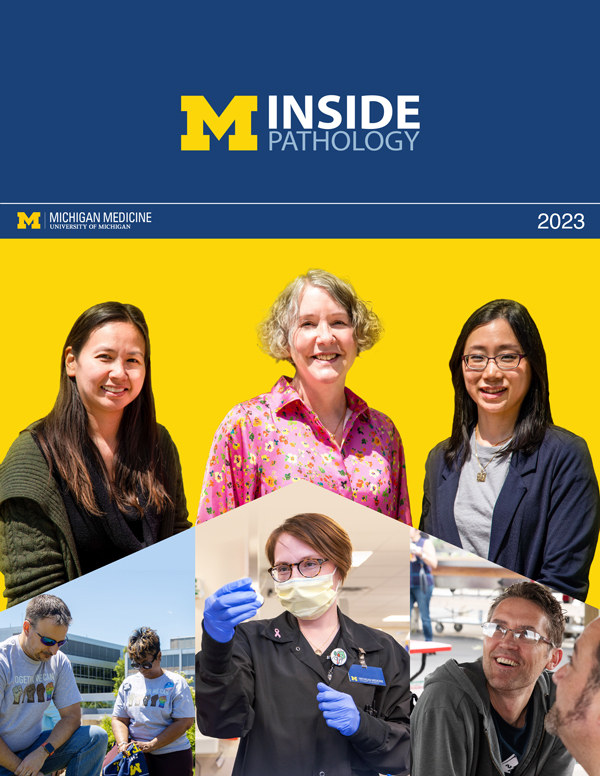 ON THE COVER (Left to Right) Drs. Angela Wu, Laura Lamps, and Maria Westerhoff. |
newsletter
INSIDE PATHOLOGYAbout Our NewsletterInside Pathology is an newsletter published by the Chairman's Office to bring news and updates from inside the department's research and to become familiar with those leading it. It is our hope that those who read it will enjoy hearing about those new and familiar, and perhaps help in furthering our research. CONTENTS
|
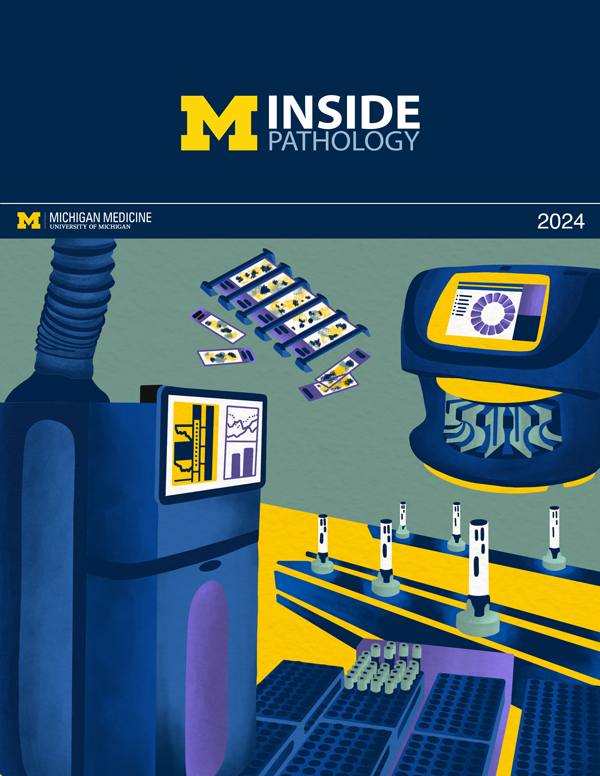 ON THE COVER Illustration representing the various machines and processing used within our labs. |
newsletter
INSIDE PATHOLOGYAbout Our NewsletterInside Pathology is an newsletter published by the Chairman's Office to bring news and updates from inside the department's research and to become familiar with those leading it. It is our hope that those who read it will enjoy hearing about those new and familiar, and perhaps help in furthering our research. CONTENTS
|
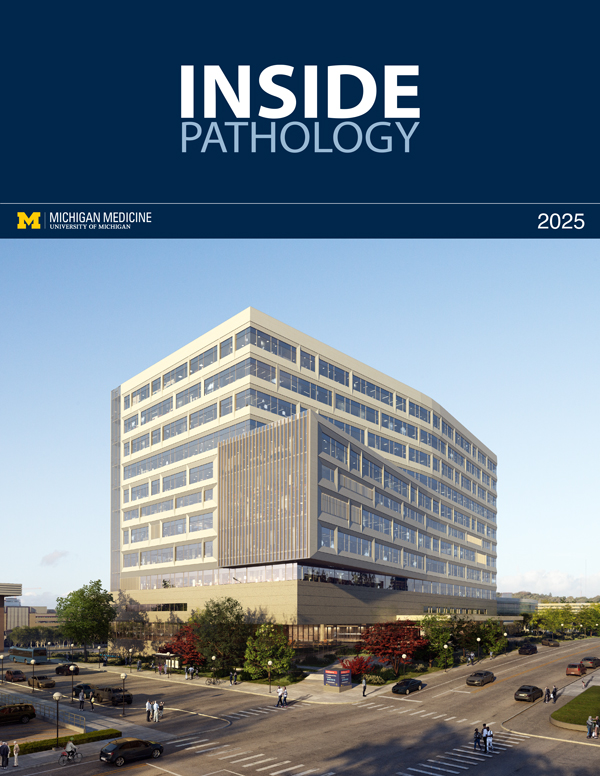 ON THE COVER Rendering of the D. Dan and Betty Khn Health Care Pavilion. Credit: HOK |
newsletter
INSIDE PATHOLOGYAbout Our NewsletterInside Pathology is an newsletter published by the Chairman's Office to bring news and updates from inside the department's research and to become familiar with those leading it. It is our hope that those who read it will enjoy hearing about those new and familiar, and perhaps help in furthering our research. CONTENTS
|

MLabs, established in 1985, functions as a portal to provide pathologists, hospitals. and other reference laboratories access to the faculty, staff and laboratories of the University of Michigan Health System’s Department of Pathology. MLabs is a recognized leader for advanced molecular diagnostic testing, helpful consultants and exceptional customer service.