Clinical Pathology Symposium 2026 Brings Experts Together at U‑M
By Lynn McCain | April 29The 14th Clinical Pathology Symposium was held on Thursday, April 23, 2026, at the North Campus Research Complex, with the theme “Driving Impact from Bench to Brain.” The symposium was organized by members of the clinical laboratories, communications, and training programs with the goal of providing continuing education for laboratory staff. In addition, 15 laboratories, departmental units, and the sustainability office hosted interactive booths where participants could test their laboratory knowledge, learn about culture change, and explore ways to promote a more sustainable workplace. Games and prizes were offered at many of the booths, contributing to a highly engaging and positive event atmosphere.
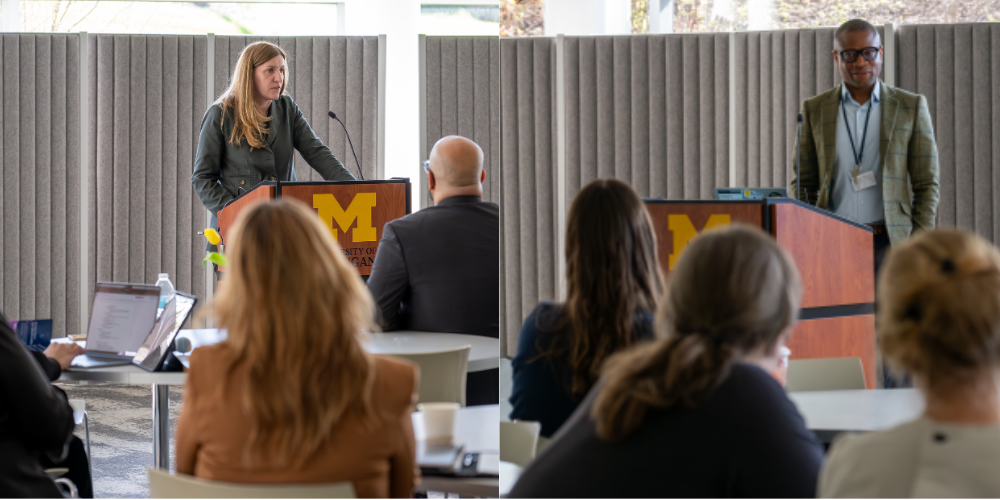 The symposium opened with presentations by Frederick Korley, MD, PhD, Professor and Associate Chair for Research in Emergency Medicine at Michigan Medicine, and Carmen Gherasim, PhD, Associate Professor and Section Director of the Clinical Core Laboratories at Michigan Medicine. They discussed their collaborative work using blood-based biomarkers GFAP and UCH-L1 to rule out patients who do not need CT scans for Traumatic Brain Injury (TBI). As part of the validation process, 2,475 specimens were tested in the Clinical Core Laboratory.
After attendees visited the exhibits, Kristina Martin recognized Carol Young, who will be retiring in early May. Carol was one of the original organizers of the Clinical Pathology Symposium and has played a foundational role in its continued success.
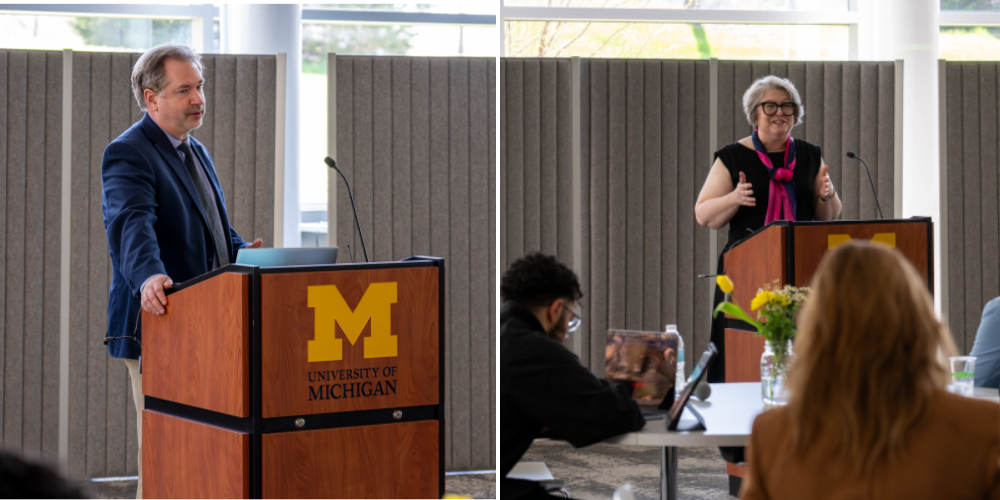 Next, Rachel Little Morris, PhD, MLT, Graduate Program Director in the Biomedical Laboratory Diagnostics Program at Michigan State University, presented a talk titled “We Need to Talk: Communicating Our Science to the Public.” She addressed the public perception challenges scientists often face. Dr. Morris outlined eight best practices for effective scientific communication: (1) find your why, (2) get some training, (3) watch and learn, (4) know and respect your audience, (5) be clear and concise, (6) be honest, (7) keep talking about the process, and (8) don’t be boring. She closed with a call to action, encouraging attendees to share their work whenever possible through social media, interviews, community education, engagement with policymakers, and especially conversations at the dinner table with family and friends.
Following lunch, the symposium continued with Joshua Bornhorst, PhD, DABCC, Associate Professor and Consultant in the Department of Laboratory Medicine and Pathology at the Mayo Clinic and Co-Director of the Clinical Immunoassay and Metals Laboratory. Dr. Bornhorst discussed the growing role of blood-based biomarkers in the diagnosis of Alzheimer’s disease (AD). He described how the diagnosis, treatment, and monitoring of AD-related pathology are rapidly evolving with the introduction of monoclonal antibody disease-modifying therapies. His presentation addressed the selection of appropriate clinical assays, special testing considerations, diagnostic accuracy, and the impact of chronic kidney disease and heterophile interference on test results. He concluded with insights into the future landscape of Alzheimer’s diagnostics and patient care.
The 14th Clinical Pathology Symposium was a resounding success, drawing more than 120 attendees from across the department. The organizing committee is already planning for next year’s event and encourages continued engagement and participation from colleagues throughout the laboratories. We look forward to seeing everyone again at the next Clinical Pathology Symposium.
 ON THE COVER
 ON THE COVER
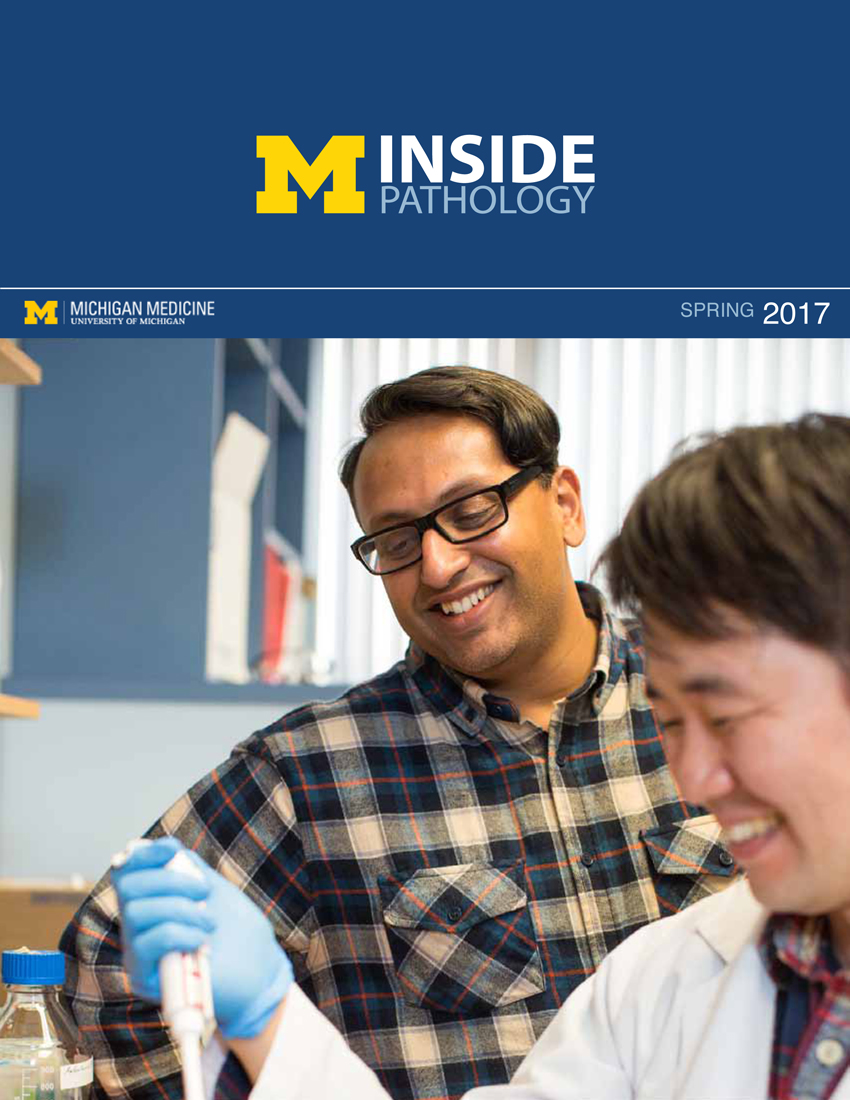 ON THE COVER
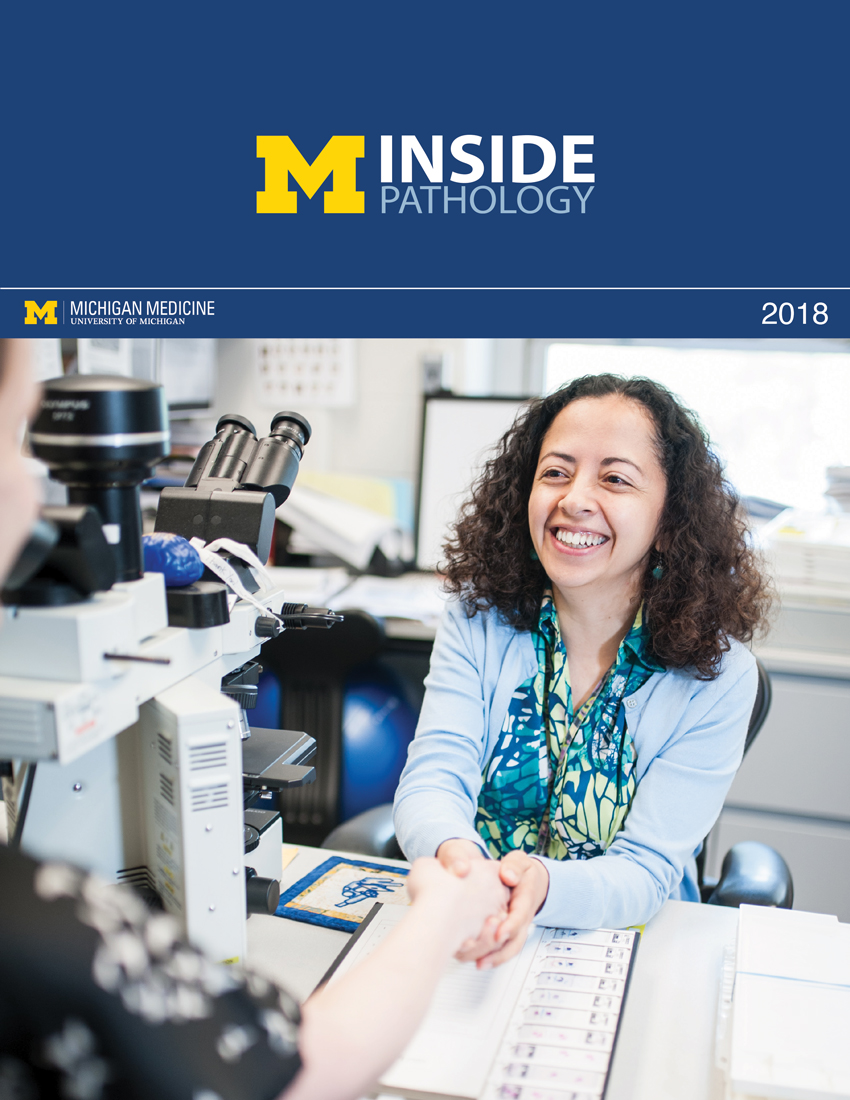 ON THE COVER
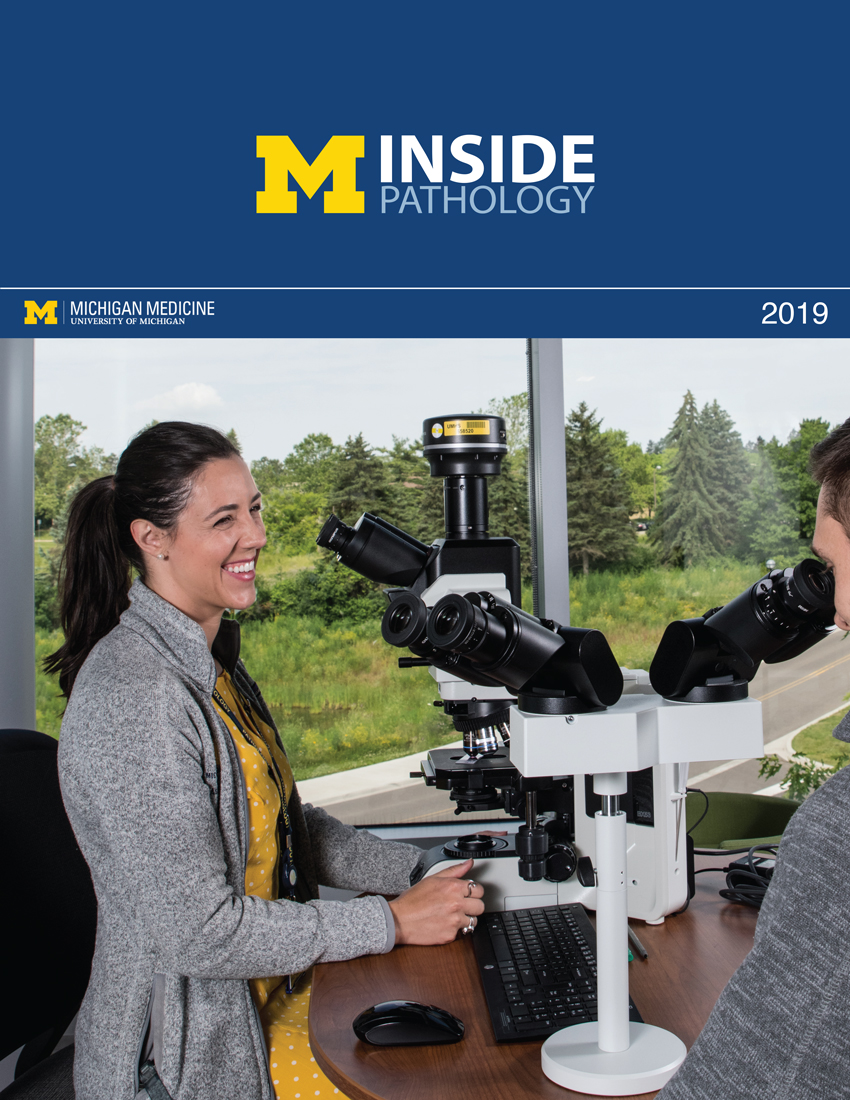 ON THE COVER
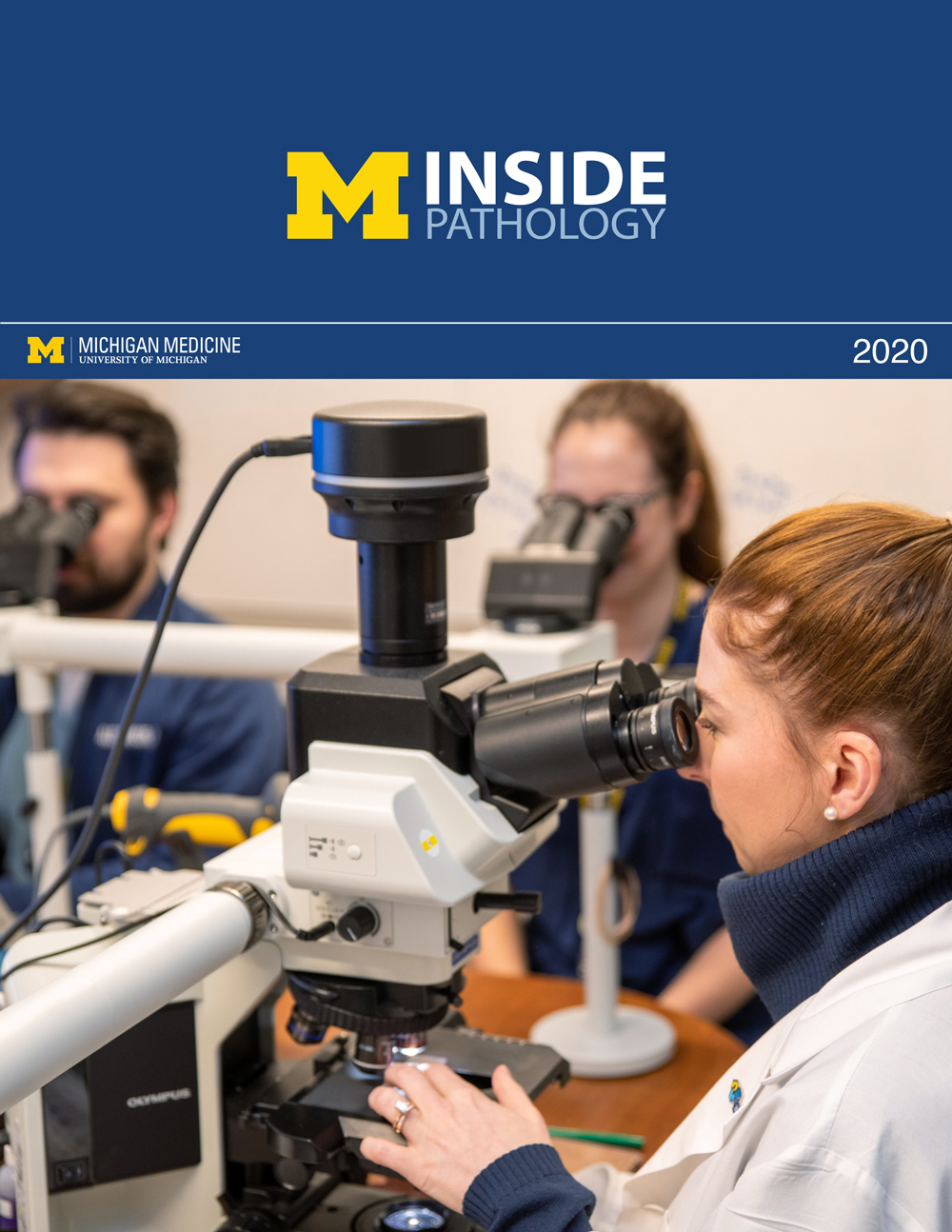 ON THE COVER
 ON THE COVER
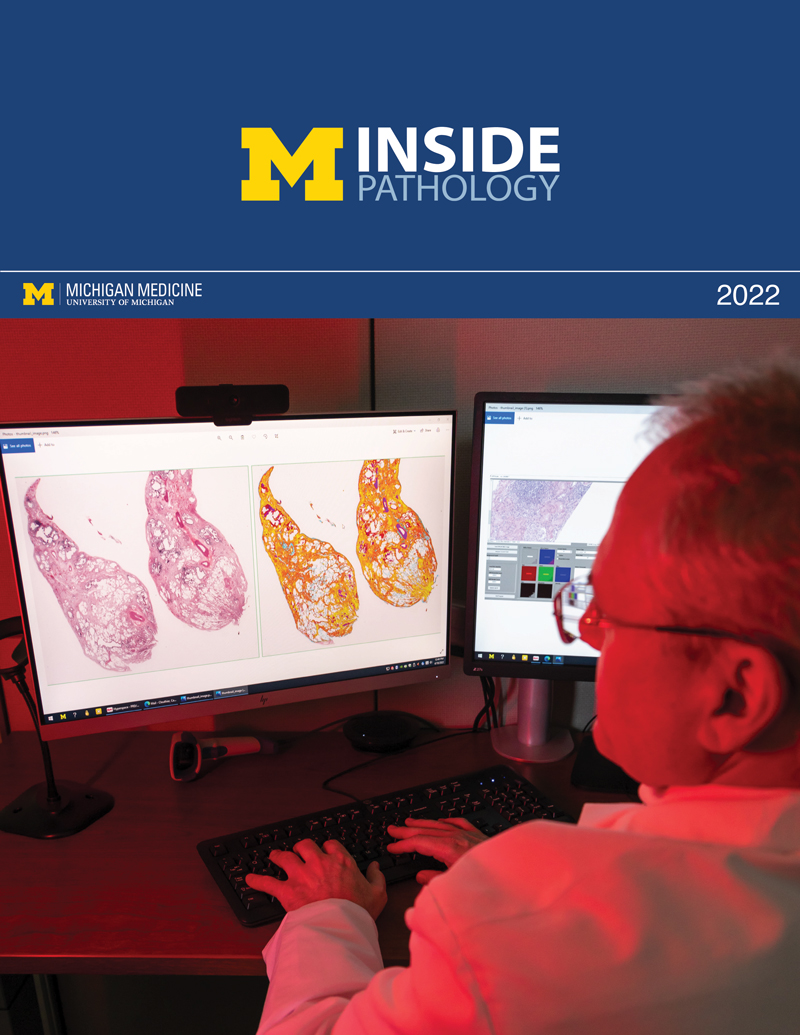 ON THE COVER
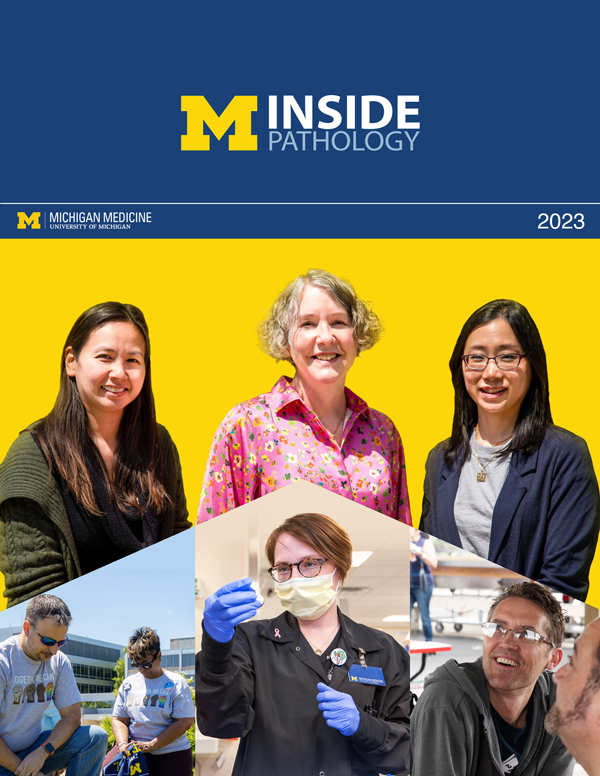 ON THE COVER
 ON THE COVER
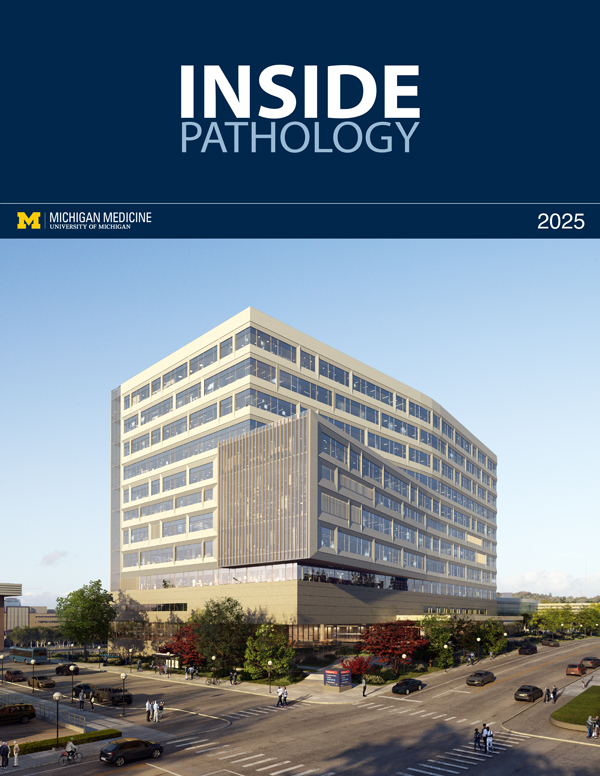 ON THE COVER