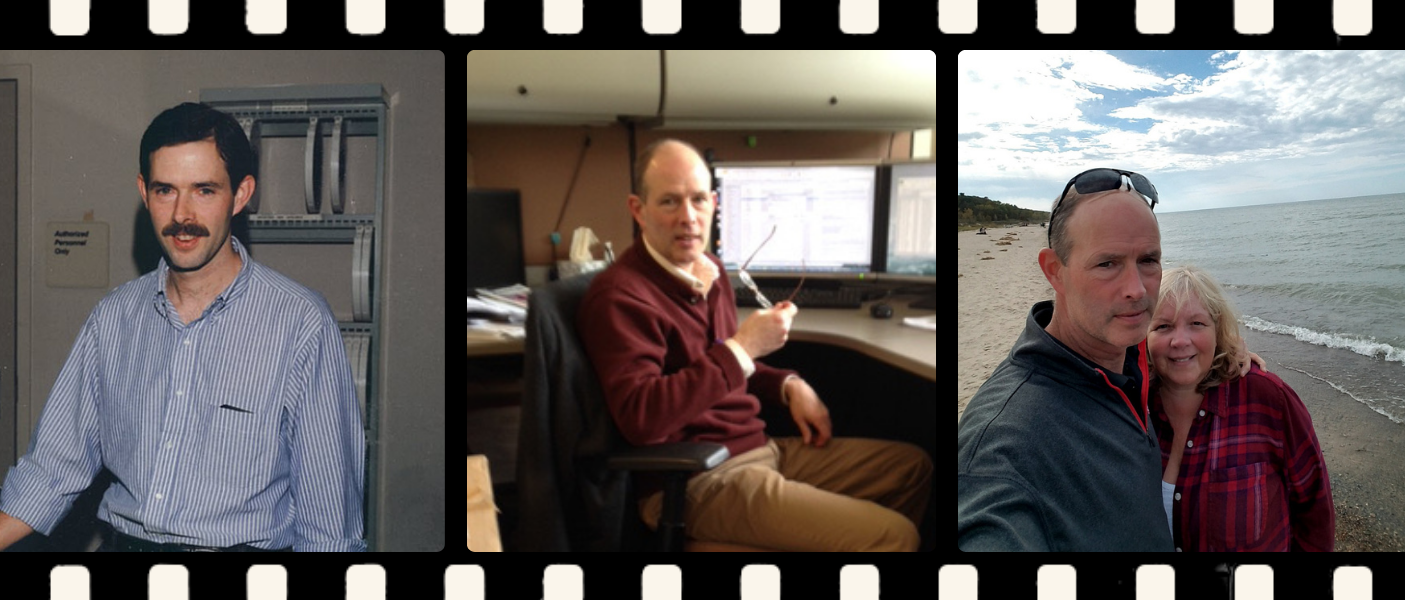
 After more than four decades of dedicated service, Steve Marshall is retiring on May 8th, leaving behind a legacy that spans laboratories, hospitals, computer systems, and most importantly, people.
Marshall joined the department in 1983, beginning a career that would grow and evolve alongside dramatic changes in laboratory medicine and information technology. “I’ve been working since I was 13, but that is not when I started in Pathology,” Marshall said with a laugh, acknowledging that retirement still feels a little surreal. After 43 years, though, few could argue he hasn’t earned it.
Marshall’s original passion was the outdoors. He studied wildlife biology, inspired by a childhood spent roaming farmland from morning until dark. When job prospects in that field proved limited in the early 1980s, he pivoted to laboratory medicine, earning a MedTech degree and landing a part-time position in Chemistry on the same day as longtime colleague Vicki Westcott. A literal coin flip decided who would move to days; Marshall lost, stayed on afternoons, and built a decade-long foundation in the lab that would shape his future career.
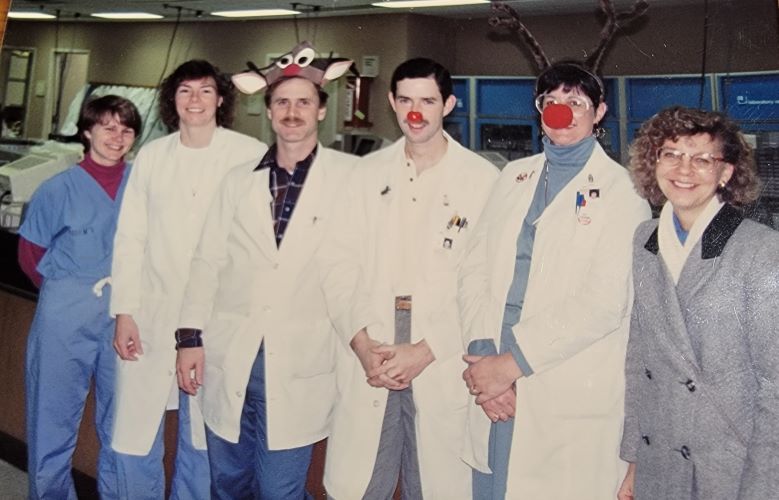 Those early years were hands-on in every sense: troubleshooting instruments, learning new analyzers, entering results manually on green-screen terminals, and fixing anything mechanical that broke. Marshall naturally became the “go-to” person; if he couldn’t fix it, he knew who could. That curiosity and problem-solving mindset drew him toward computing just as technology began reshaping the clinical lab.
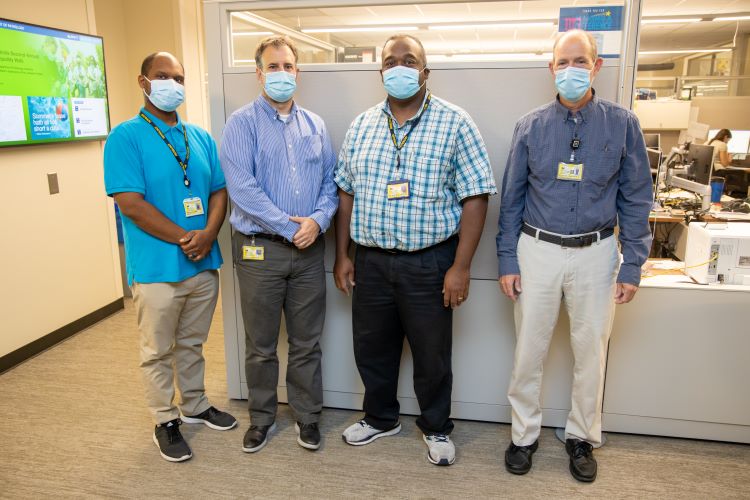 In 1993, Marshall joined Pathology Data Systems, now called Pathology Informatics, launching the second phase of his career. From desktop support and database building to operations management and eventually IS Administration and Plan Manager, Marshall “bounced around” a variety of roles. Each one added another layer to what colleagues came to recognize as his greatest strength: deep institutional knowledge. As systems progressed from PathNet to Soft in 2013, and as PCs replaced terminals and security requirements multiplied, Marshall remained a steady presence; someone who understood not just how systems worked, but why they worked the way they did.
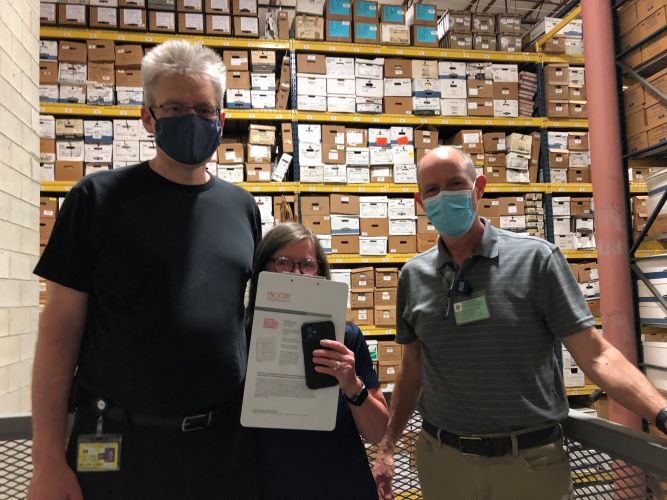 Despite holding management roles, Marshall never lost his love for fieldwork. “One of my favorite things is getting out and helping people,” he said. Whether supporting desktops, solving workflow challenges, or assisting with major projects such as hospital expansions and lab moves, Marshall consistently focused on making work easier and more efficient for others. He described himself as “an assist person,” someone who’d rather help teammates score than take the shot himself.
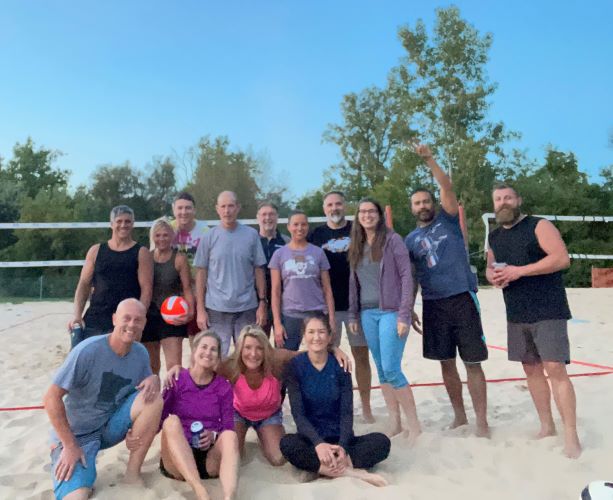 That people-first mindset is reflected in Marshall’s favorite memories. For him, it’s not a single achievement, but the relationships he built over the years. He fondly recalls the close-knit chemistry lab afternoon shift, where coworkers spent time together outside of work canoeing, horseback riding, and sharing meals. He also admits to enjoying a good prank now and then, including a carefully staged April Fool’s joke that briefly convinced a colleague, Kathy Davis, that the entire Cerner system was being rolled back to a prior version. “It was safe,” he emphasized, and recalled the laughter as he and Bill Hubbard wrote the script, then watched Kathy panic. She also joined in the laughter once the panic ebbed.
Marshall credits many mentors along the way, from supervisors in Chemistry like Sue Stern and Martha Theisen to colleagues across IT and operations, insisting he learned “a little bit from everybody.” In return, he’s spent his final months focused on one last responsibility: passing along what he knows. Through deliberate knowledge transfer, documentation, and mentoring, including working closely with Ivan, Marshall has ensured that critical processes, history, and context don’t walk out the door with him.
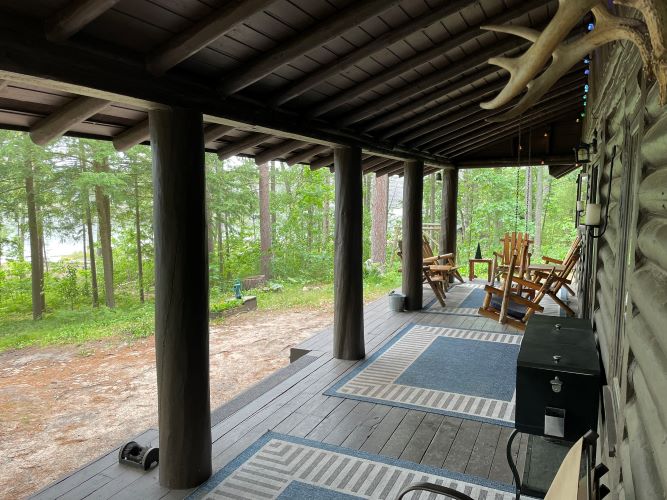 As he looks ahead to retirement, Marshall isn’t worried about staying busy. Between racquetball, volleyball, mountain biking, fishing, kayaking, home and cabin projects, and time with (almost) four grandchildren, he has plenty planned. Building things, being outdoors, and staying active have always been hallmarks of his life, and retirement gives him more time for all three.
Raised in a large Irish Catholic family with 7 siblings, Marshall says one of his guiding philosophies came from his mother: work hard, do your best, and stay grounded. Over 43 years, that mindset shaped a career defined not just by technical skill, but by humility, humor, and genuine care for others.
Steve Marshall leaves large shoes to fill, a wealth of knowledge behind him, and many grateful colleagues wishing him the very best. While his next chapter will be spent fishing more than fixing computers, his impact on Pathology and on the people who worked alongside him will be felt for years to come.
Congratulations, Steve, and best wishes on a well-earned retirement.
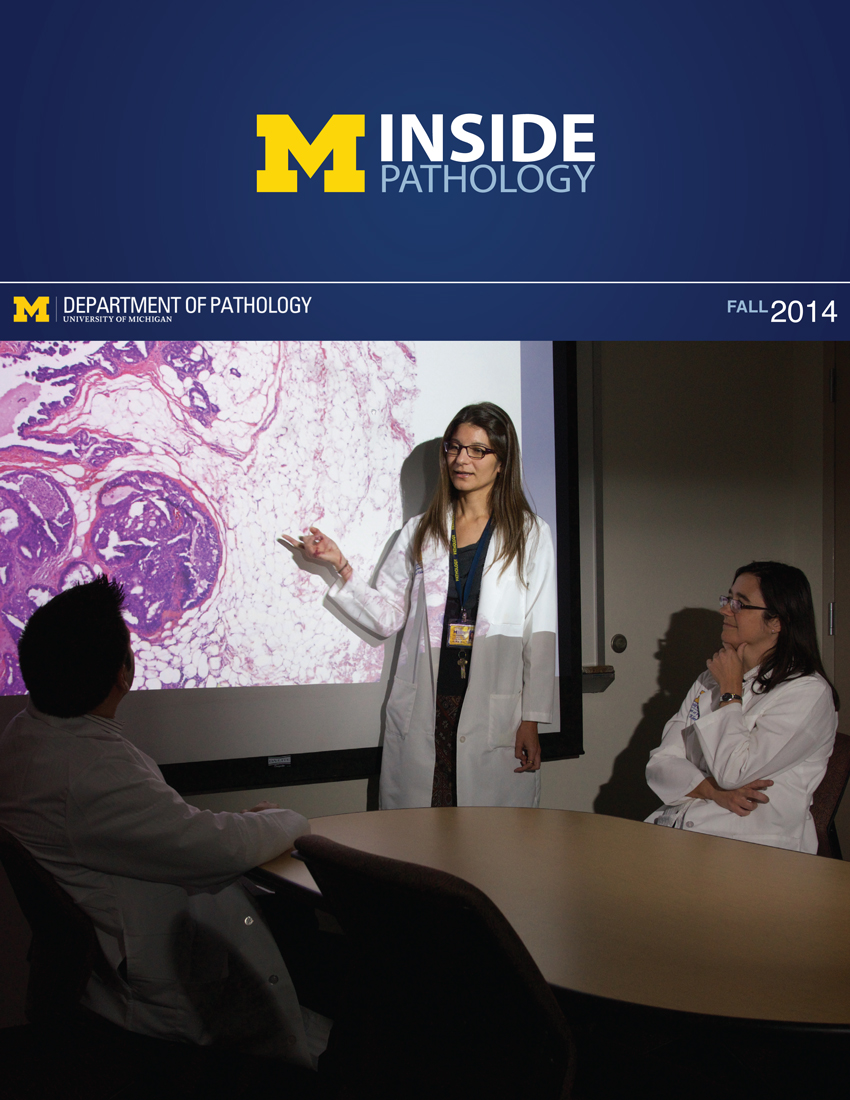 ON THE COVER
Breast team reviewing a patient's slide. (From left to right) Ghassan Allo, Fellow; Laura Walters, Clinical Lecturer; Celina Kleer, Professor. See Article |
newsletter
INSIDE PATHOLOGYAbout Our NewsletterInside Pathology is an newsletter published by the Chairman's Office to bring news and updates from inside the department's research and to become familiar with those leading it. It is our hope that those who read it will enjoy hearing about those new and familiar, and perhaps help in furthering our research. CONTENTS
|
 ON THE COVER
Autopsy Technician draws blood while working in the Wayne County morgue. See Article |
newsletter
INSIDE PATHOLOGYAbout Our NewsletterInside Pathology is an newsletter published by the Chairman's Office to bring news and updates from inside the department's research and to become familiar with those leading it. It is our hope that those who read it will enjoy hearing about those new and familiar, and perhaps help in furthering our research. CONTENTS
|
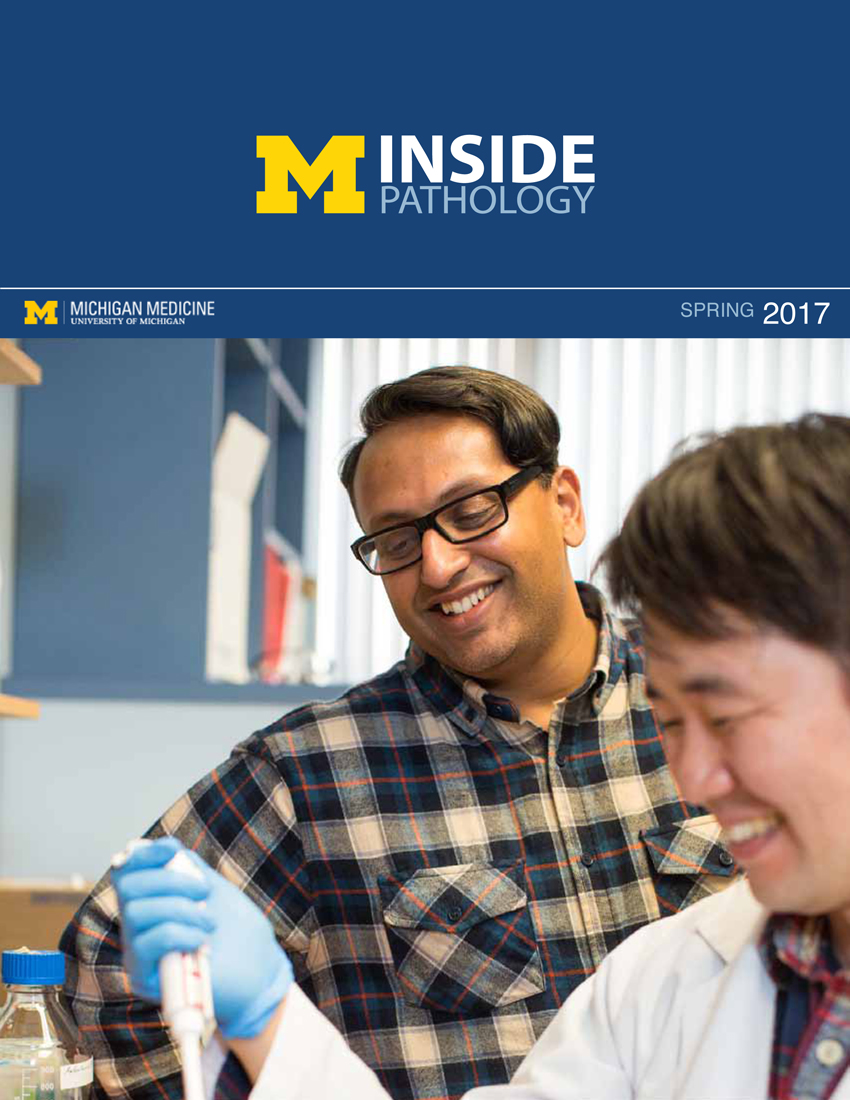 ON THE COVER
Dr. Sriram Venneti, MD, PhD and Postdoctoral Fellow, Chan Chung, PhD investigate pediatric brain cancer. See Article |
newsletter
INSIDE PATHOLOGYAbout Our NewsletterInside Pathology is an newsletter published by the Chairman's Office to bring news and updates from inside the department's research and to become familiar with those leading it. It is our hope that those who read it will enjoy hearing about those new and familiar, and perhaps help in furthering our research. CONTENTS
|
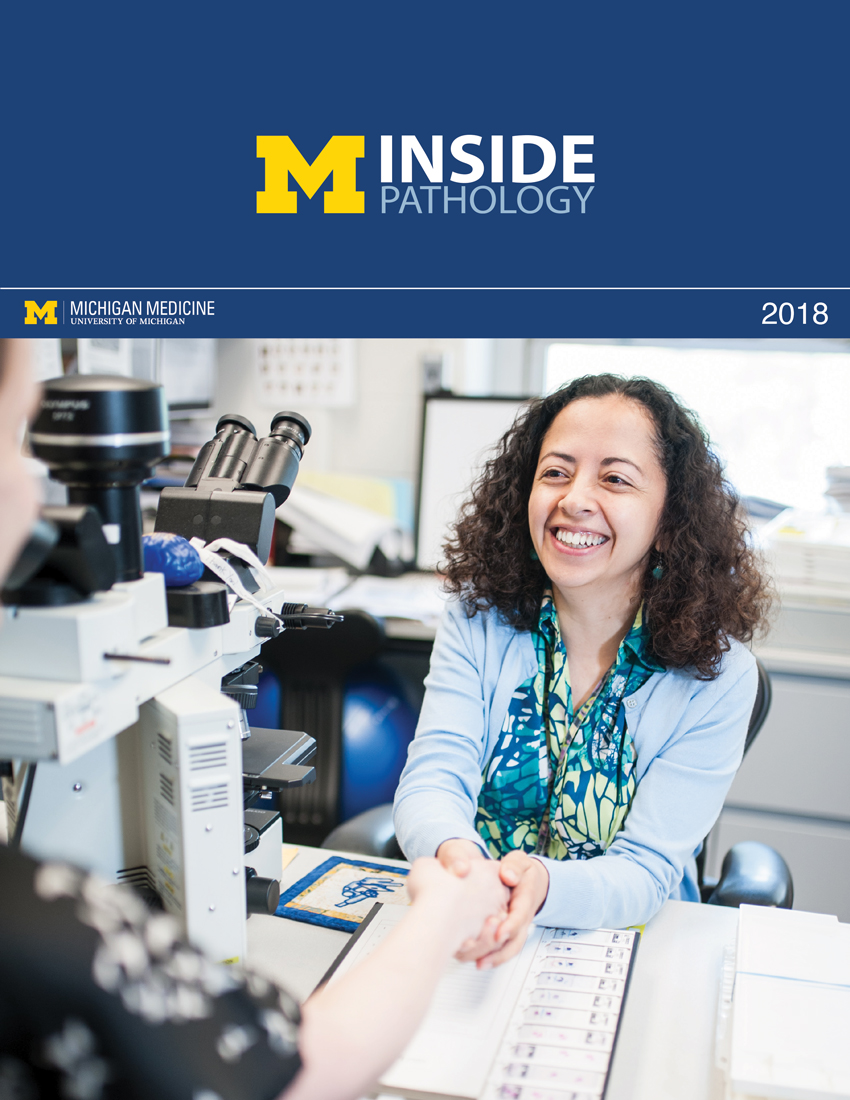 ON THE COVER
Director of the Neuropathology Fellowship, Dr. Sandra Camelo-Piragua serves on the Patient and Family Advisory Council. |
newsletter
INSIDE PATHOLOGYAbout Our NewsletterInside Pathology is an newsletter published by the Chairman's Office to bring news and updates from inside the department's research and to become familiar with those leading it. It is our hope that those who read it will enjoy hearing about those new and familiar, and perhaps help in furthering our research. CONTENTS
|
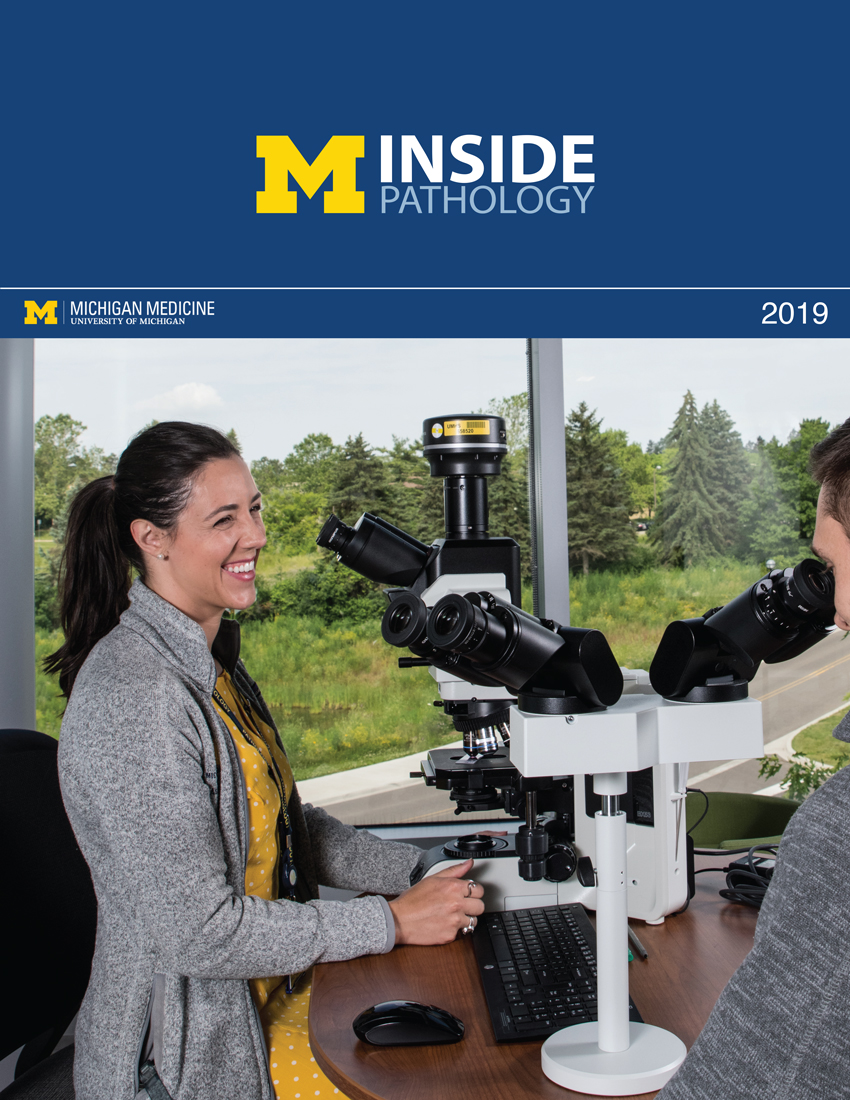 ON THE COVER
Residents Ashley Bradt (left) and William Perry work at a multi-headed scope in our new facility. |
newsletter
INSIDE PATHOLOGYAbout Our NewsletterInside Pathology is an newsletter published by the Chairman's Office to bring news and updates from inside the department's research and to become familiar with those leading it. It is our hope that those who read it will enjoy hearing about those new and familiar, and perhaps help in furthering our research. CONTENTS
|
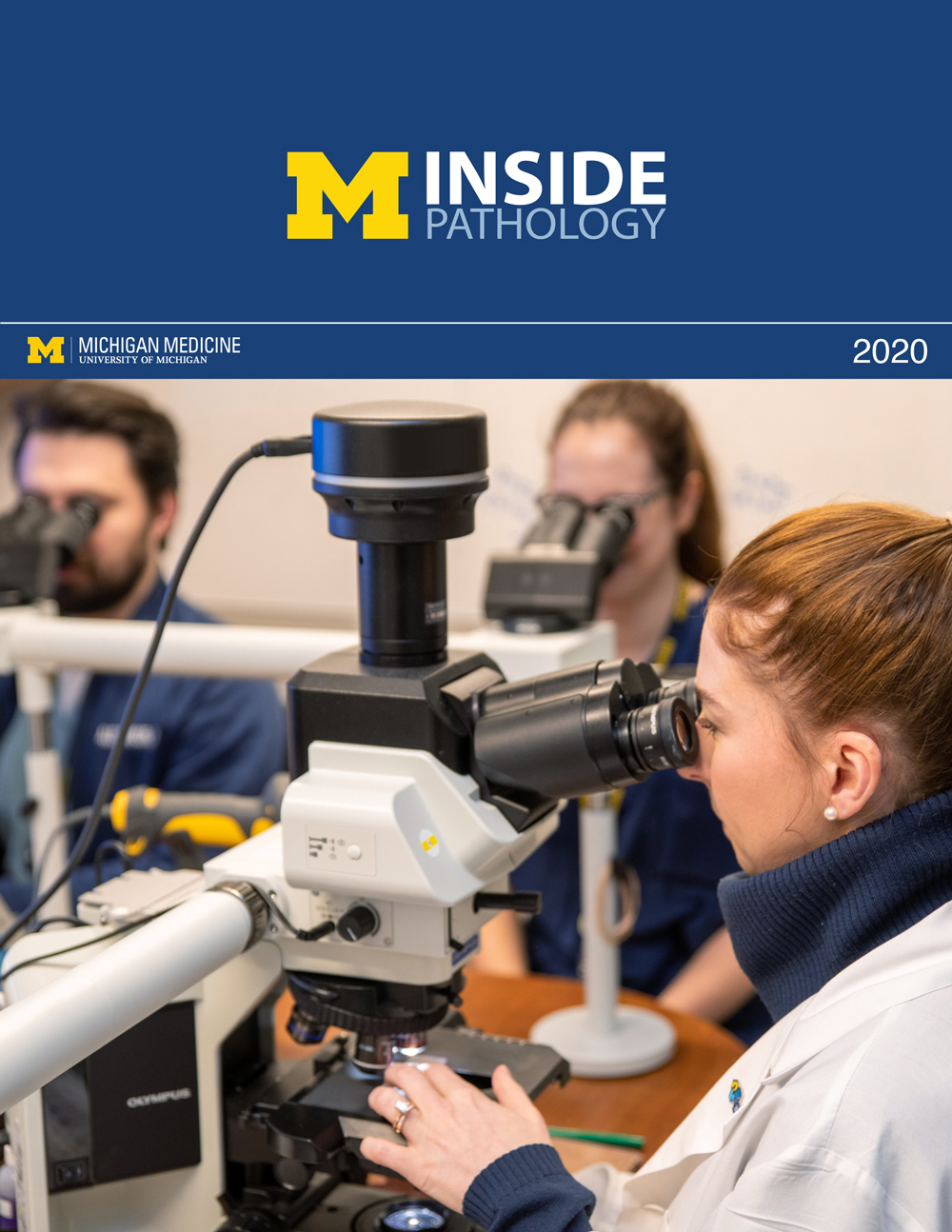 ON THE COVER
Dr. Kristine Konopka (right) instructing residents while using a multi-headed microscope. |
newsletter
INSIDE PATHOLOGYAbout Our NewsletterInside Pathology is an newsletter published by the Chairman's Office to bring news and updates from inside the department's research and to become familiar with those leading it. It is our hope that those who read it will enjoy hearing about those new and familiar, and perhaps help in furthering our research. CONTENTS
|
 ON THE COVER
Patient specimens poised for COVID-19 PCR testing. |
newsletter
INSIDE PATHOLOGYAbout Our NewsletterInside Pathology is an newsletter published by the Chairman's Office to bring news and updates from inside the department's research and to become familiar with those leading it. It is our hope that those who read it will enjoy hearing about those new and familiar, and perhaps help in furthering our research. CONTENTS
|
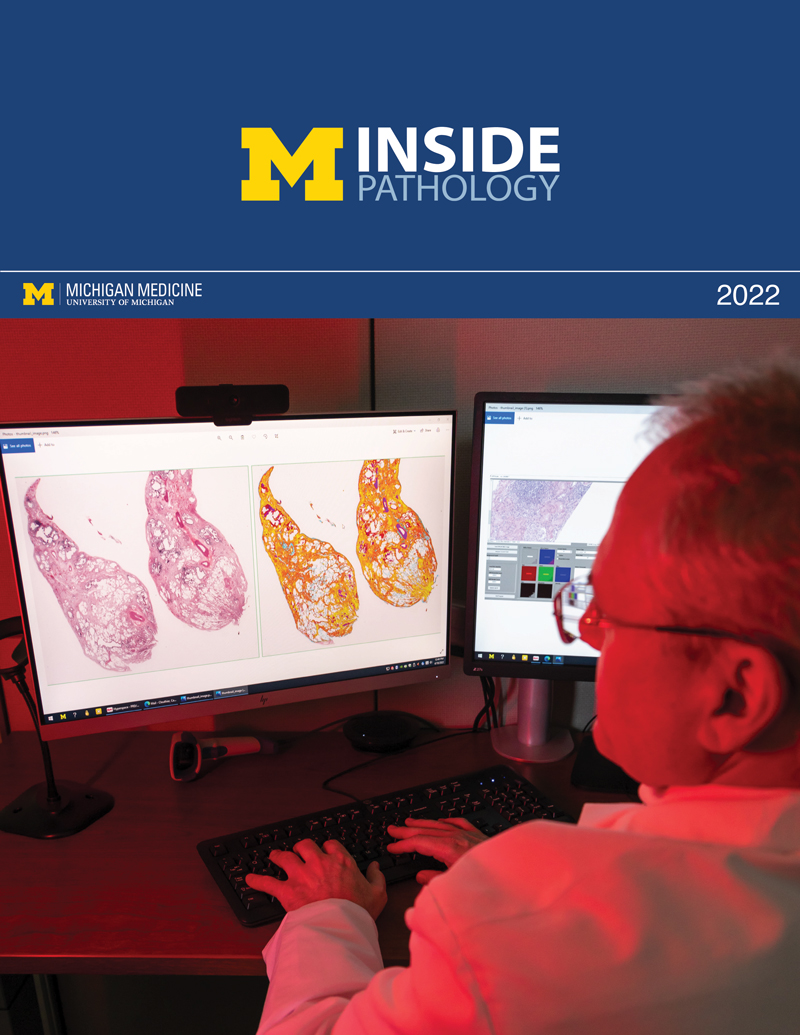 ON THE COVER
Dr. Pantanowitz demonstrates using machine learning in analyzing slides. |
newsletter
INSIDE PATHOLOGYAbout Our NewsletterInside Pathology is an newsletter published by the Chairman's Office to bring news and updates from inside the department's research and to become familiar with those leading it. It is our hope that those who read it will enjoy hearing about those new and familiar, and perhaps help in furthering our research. CONTENTS
|
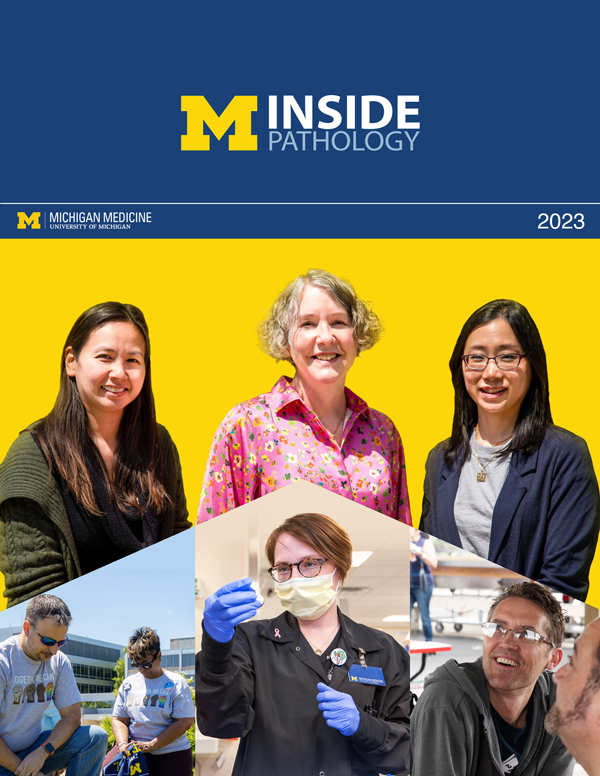 ON THE COVER
(Left to Right) Drs. Angela Wu, Laura Lamps, and Maria Westerhoff. |
newsletter
INSIDE PATHOLOGYAbout Our NewsletterInside Pathology is an newsletter published by the Chairman's Office to bring news and updates from inside the department's research and to become familiar with those leading it. It is our hope that those who read it will enjoy hearing about those new and familiar, and perhaps help in furthering our research. CONTENTS
|
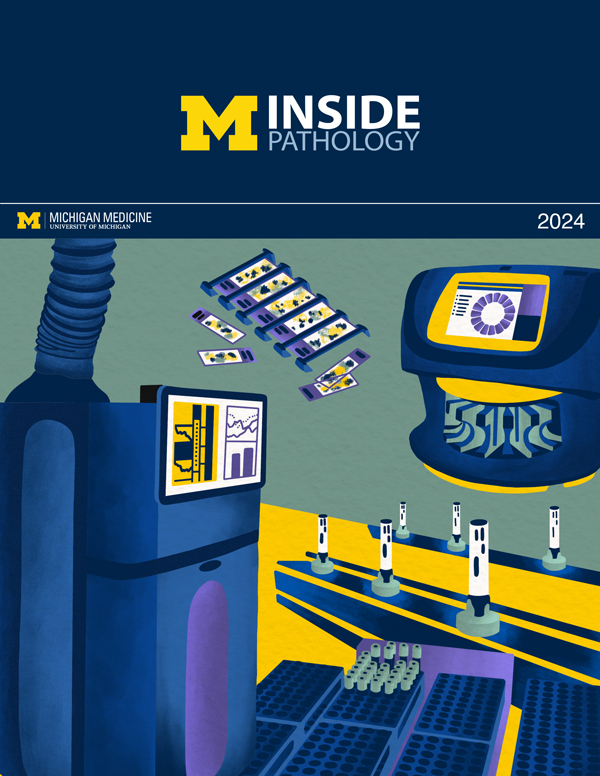 ON THE COVER
Illustration representing the various machines and processing used within our labs. |
newsletter
INSIDE PATHOLOGYAbout Our NewsletterInside Pathology is an newsletter published by the Chairman's Office to bring news and updates from inside the department's research and to become familiar with those leading it. It is our hope that those who read it will enjoy hearing about those new and familiar, and perhaps help in furthering our research. CONTENTS
|
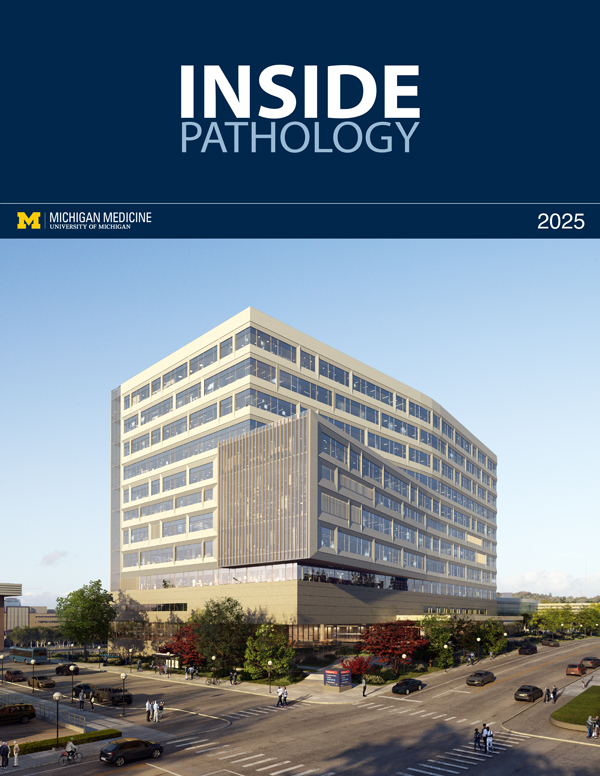 ON THE COVER
Rendering of the D. Dan and Betty Khn Health Care Pavilion. Credit: HOK |
newsletter
INSIDE PATHOLOGYAbout Our NewsletterInside Pathology is an newsletter published by the Chairman's Office to bring news and updates from inside the department's research and to become familiar with those leading it. It is our hope that those who read it will enjoy hearing about those new and familiar, and perhaps help in furthering our research. CONTENTS
|
MLabs, established in 1985, functions as a portal to provide pathologists, hospitals. and other reference laboratories access to the faculty, staff and laboratories of the University of Michigan Health System’s Department of Pathology. MLabs is a recognized leader for advanced molecular diagnostic testing, helpful consultants and exceptional customer service.