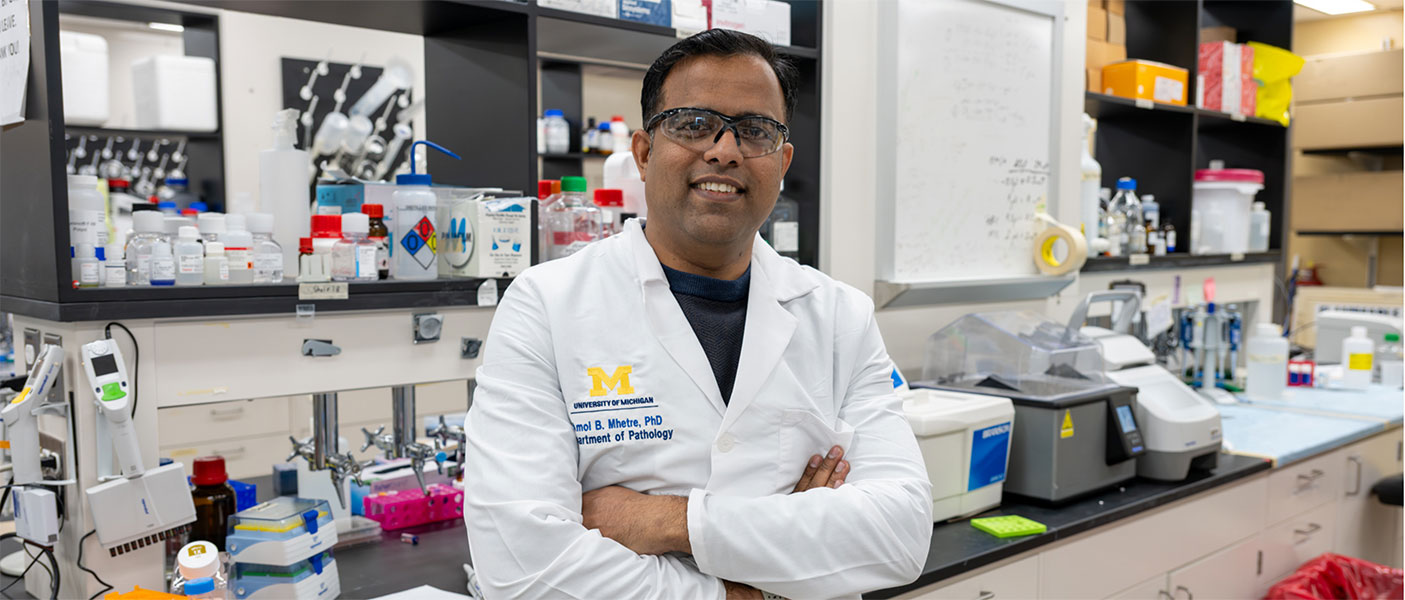
 From a young age in India, Amol Mhetre, PhD, was fascinated by organic chemistry, not just as a subject but as a way to understand how molecules behave in real biological systems and to develop new therapeutics to treat disease. That curiosity has carried him across continents and into a career at the interface of chemistry, biology, and translational drug discovery.
In March 2026, Mhetre was promoted to Research Investigator in the University of Michigan Department of Pathology, where his work focuses on the design and synthesis of novel small‑molecule inhibitors with applications in cancer therapy, epigenetic regulation, and aging biology.
A Global Scientific Journey
Mhetre earned both his Bachelor of Science in Chemistry and Master of Science in Organic Chemistry from the Savitribai Phule Pune University in India. His early training in organic chemistry sparked an interest that went beyond synthesis alone. He wanted to know how molecular structures function within living systems and how that knowledge could be applied to medicine.
After completing his master’s degree in 2008, Mhetre spent three years working in the pharmaceutical industry in India, gaining hands-on experience in medicinal chemistry and multi-step compound synthesis. This industry experience strengthened his practical understanding of drug discovery and confirmed his desire to pursue research with real-world clinical impact.
He went on to complete his PhD in Bioorganic Chemistry at Sejong University in Seoul, South Korea (2012–2017), working in the lab of Prof. Dongyeol Lim. During his doctoral training, Mhetre developed small molecules and antibody-drug conjugates for targeted cancer therapy, resulting in two U.S. patents (US11938115B2, US11576896B2) on benzoselenophene-based compounds, pharmaceutical compositions, and antibody-drug conjugates, as well as publications in Organic and Biomolecular Chemistry (2017) and RSC Advances (2019). His doctoral research was later licensed and commercialized by a Korea-based pharmaceutical company, an early milestone that underscored the translational value of his work.
Expanding Expertise in Chemical Biology and Medicinal Chemistry
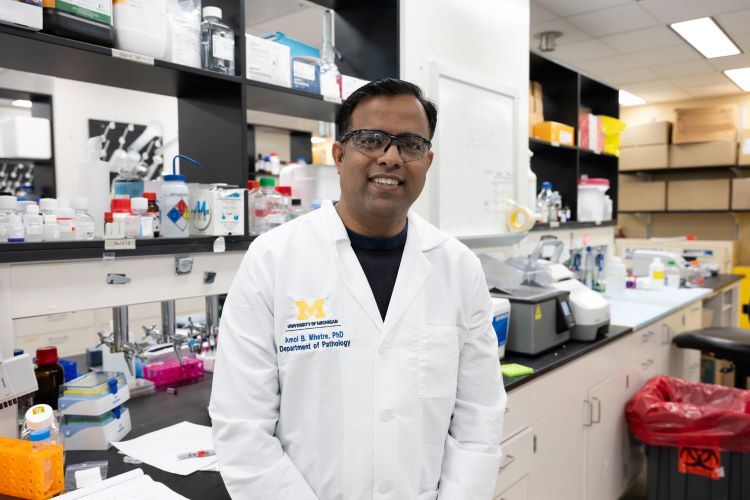 Following his PhD, Mhetre pursued postdoctoral research at the Indian Institute of Science Education and Research (IISER), Pune, (2017-2022) where he expanded into chemical biology under the mentorship of Dr. Siddhesh Kamat. There, he developed synthetic lipid probes, including photoaffinity-labeling probes for chemoproteomic approaches to study lipid–protein interactions and signaling pathways relevant to human disease, further broadening his interdisciplinary expertise. This interdisciplinary work contributed to several impactful publications, including studies published in Communications Chemistry (2025), Cell Chemical Biology (2021), Nature Chemical Biology (2019). He later completed a second postdoctoral fellowship at Purdue University (2022-2023) under the mentorship of Dr. C. J. Krusemark, where he worked in advanced medicinal chemistry, developing chemical probes and proximity-labeling approaches for DNA-encoded chemical library (DEL) technologies, a powerful approach for identifying promising drug candidates from vast compound collections (Chemical Science (2023)).
Advancing Translational Research at Michigan
 Mhetre joined the University of Michigan in April 2023 as a postdoctoral research fellow in the laboratory of Dr. Zaneta Nikolovska‑Coleska, Professor of Pathology. Drawn by the lab’s fully integrated approach to medicinal chemistry and disease biology, he found an ideal environment to follow compounds from early discovery through biochemical and biological validation.
“In Dr. Nikolovska-Coleska’s lab, I can be involved in the entire journey from hit identification and structure-based design to synthesis and biological evaluation. That integration is essential for meaningful drug discovery.”
His current research focuses on the development of first-in-class small-molecule inhibitors of pregnancy-associated plasma protein A (PAPP-A), a target implicated in aging biology funded by NIH-NIA. While antibody-based approaches targeting PAPP-A have previously been explored, no small-molecule inhibitors currently exist. Mhetre’s work aims to fill that gap, with a manuscript currently in preparation.
In addition, he applies structure-based drug design targeting protein–protein interactions associated with apoptosis, epigenetic regulation, and leukemogenesis, with the long-term goal of advancing new anti-cancer therapeutics.
Scientist, Mentor, and Collaborator
Beyond his research, Mhetre plays an important mentorship role in the lab, supporting graduate students and colleagues in developing synthetic strategies, and troubleshooting complex reactions and medicinal chemistry challenges.
“I see mentoring as collaborative problem‑solving,” he said. “Helping students build confidence and technical skill is one of the most rewarding parts of my work.”
His professional philosophy is grounded in purpose: combining deep expertise in medicinal chemistry with biologically meaningful questions to address real-world health challenges and advance therapeutic innovation.
Looking Ahead
Mhetre’s long-term goal is to advance drug discovery and translational science through interdisciplinary research that bridges chemistry and biology. He aims to build a research direction focused on disease-relevant molecular targets, with particular interest in developing small-molecule therapeutics and chemical probes that validate biological targets and move promising discoveries toward therapeutic application.
Having trained and worked in India, South Korea, and the United States, Mhetre credits his international research experience with shaping his adaptability, interdisciplinary mindset, and collaborative approach to science.
Life Outside the Lab
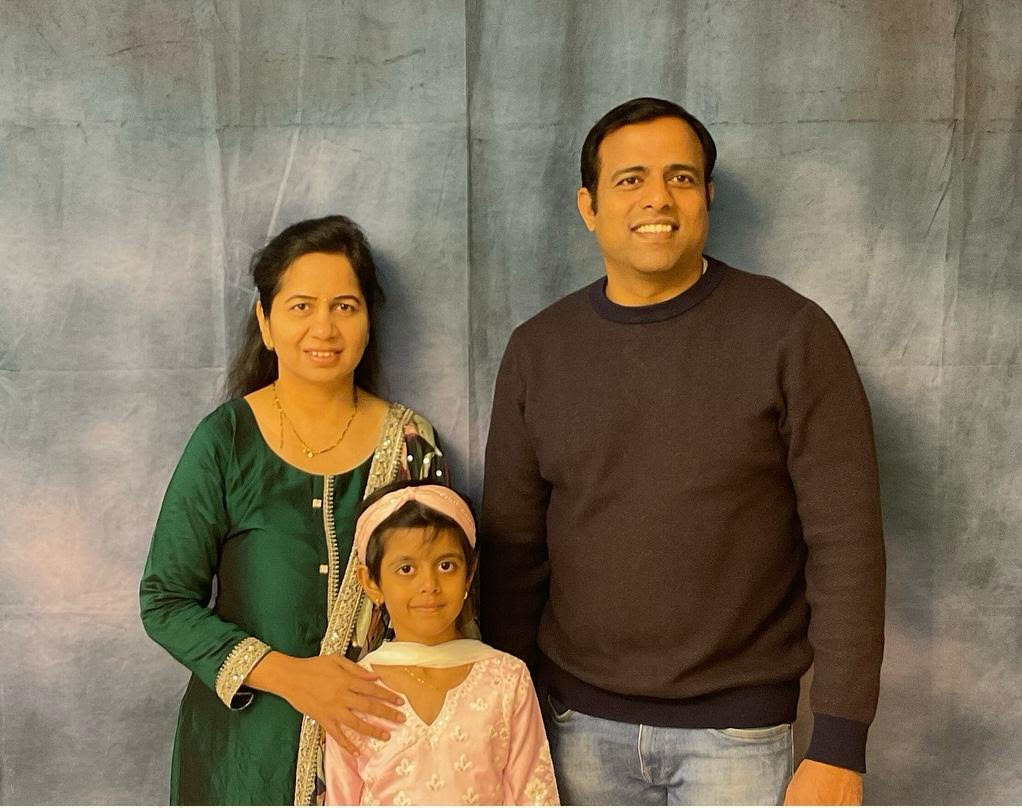 Outside of work, Mhetre enjoys spending time with his family. He and his wife, Ashwini, a software lead engineer at Mastercard, have a seven‑year‑old daughter, Saanvi. Family time, travel, following cricket, and movies help keep life balanced alongside his demanding research career.
“Whether in science or in life, I find the most fulfillment in solving challenging problems and growing together with the people around me,” he reflected.
Please join us in welcoming one of our newest faculty, Dr. Amol Mhetre, to the department.
***
Citations:
Shanbhag, K.¹, Mhetre, A. B.¹, Saharan, O., Devarajan, A., Madhusudhan, M. S., Chakrapani, H., and Kamat, S. S.: Chemoproteomics identifies protein ligands for monoacylglycerol lipids. Communications Chemistry. 8(1): 197, 2025.
Cai, B., Mhetre, A. B., and Krusemark, C.J.: Selection methods for proximity-dependent enrichment of ligands from DNA-encoded libraries using enzymatic fusion proteins. Chemical Science.14(2): 245–250, 2023. PMID: 36687357
Kumar, K., Mhetre, A., Ratnaparkhi, G., and Kamat, S. S.: Activity Based Protein Profiling (ABPP) as a tool to map active Serine Hydrolases that regulate the Drosophila innate immune response. Biochemistry. 60(16): 1312–1324, 2021. PMID: 33827210
Khandelwal, N.1, Shaikh, M.1, Mhetre, A1*, Singh, S., Sajeevan, T., Joshi, A., Balaji, K. N., Chakrapani, H.*, and Kamat, S. S.*: Fatty acid chain length drives lysophosphatidylserine-dependent immunological outputs. Cell Chemical Biology. 28(8): 1169-1179, 2021. PMID: 33571455
Shanbhag, K., Mhetre, A., Khandelwal, N., Kamat, S. S.: The Lysophosphatidylserines—An Emerging Class of Signalling Lysophospholipids. Journal of Membrane Biology. 253(5): 381–397, 2020. PMID: 32767057
Kinatukara, P., Subramaniyan , P.S., Patil, G. S., Shambhavi, S., Singh, S., Mhetre, A., Madduri, M.K., Soundararajan, A., Patel, K. D., Chandra Shekar, P., Kamat, S. S., Kumar, S., Sankaranara- yanan, R.: Peri-natal growth retardation rate and fat mass accumulation in mice lacking Dip2A is dependent on the dietary composition. Transgenic Research. 29(5): 553–562, 2020. PMID: 33184751
Mhetre AB, Sreedhar E, Dubey R, Sable GA, Lee H, Yang H, Lee K, Nam DH, Lim D. Synthesis and biological evaluation of potent benzoselenophene and heteroaromatic analogues of (S)-1-(chloromethyl)-8-methoxy-2,3-dihydro-1H-benzo[e]indol-5-ol (seco-MCBI). RSC Adv. 2019 Sep 16;9(50):29023-29036. https://doi.org/10.1039/c9ra04749b. PMCID: PMC9071829.
Joshi, A., Shaikh, M., Singh, S., Rajendran, A., Mhetre, A., Kamat, S.S.: Biochemical characterization of the PHARC associated serine hydrolase ABHD12 reveals its preference for very long chain lipids. Journal of Biological Chemistry. 293(44): 16953–16963, 2018. PMID: 30237167
Kelkar, D.S., Ravikumar, G., Mehendale, N. et al. A chemical–genetic screen identifies ABHD12 as an oxidized-phosphatidylserine lipase. Nat Chem Biol 15, 169–178 (2019). https://doi.org/10.1038/s41589-018-0195-0
Mhetre AB, Lee H, Yang H, Lee K, Nam D, Lim D. Synthesis and anticancer activity of benzoselenophene and heteroaromatic derivatives of 1,2,9,9a-tetrahydrocyclopropa[c]benzo[e]indol-4-one (CBI). Org & Biomol Chem 2017, 15:1198-1208. https://doi.org/10.1039/C6OB02729F
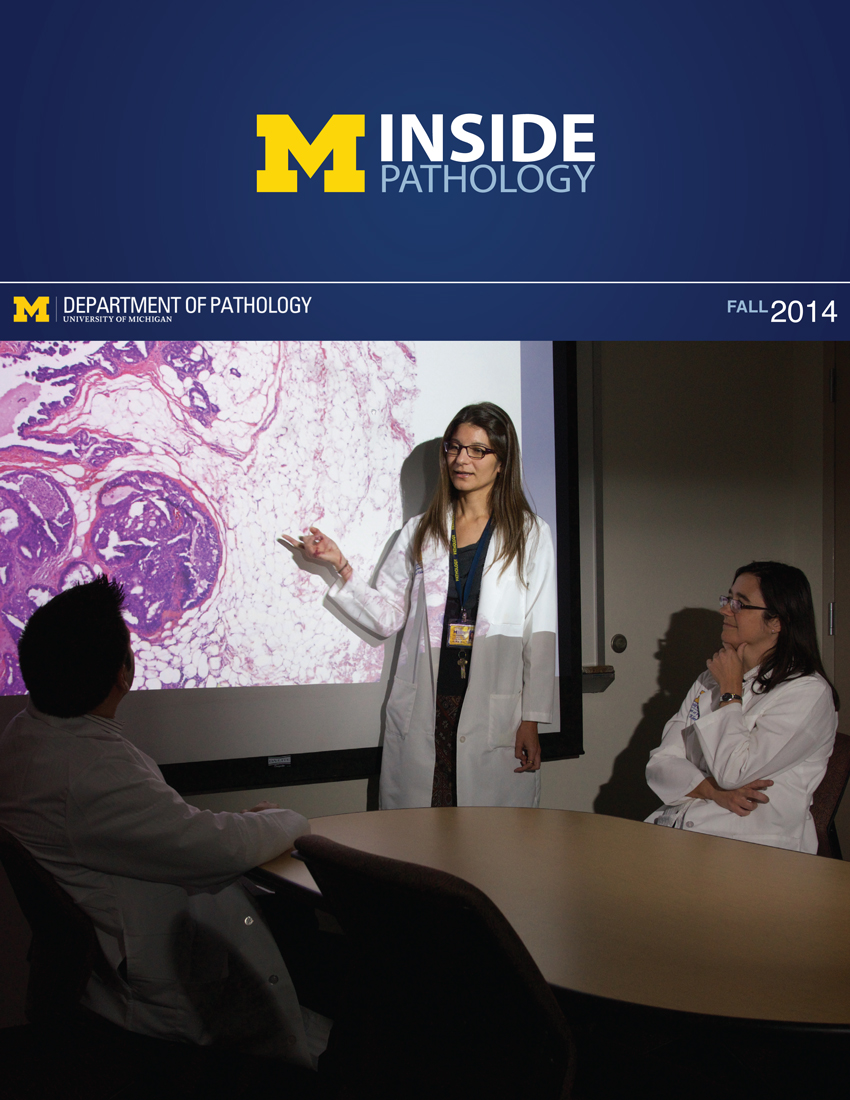 ON THE COVER
Breast team reviewing a patient's slide. (From left to right) Ghassan Allo, Fellow; Laura Walters, Clinical Lecturer; Celina Kleer, Professor. See Article |
newsletter
INSIDE PATHOLOGYAbout Our NewsletterInside Pathology is an newsletter published by the Chairman's Office to bring news and updates from inside the department's research and to become familiar with those leading it. It is our hope that those who read it will enjoy hearing about those new and familiar, and perhaps help in furthering our research. CONTENTS
|
 ON THE COVER
Autopsy Technician draws blood while working in the Wayne County morgue. See Article |
newsletter
INSIDE PATHOLOGYAbout Our NewsletterInside Pathology is an newsletter published by the Chairman's Office to bring news and updates from inside the department's research and to become familiar with those leading it. It is our hope that those who read it will enjoy hearing about those new and familiar, and perhaps help in furthering our research. CONTENTS
|
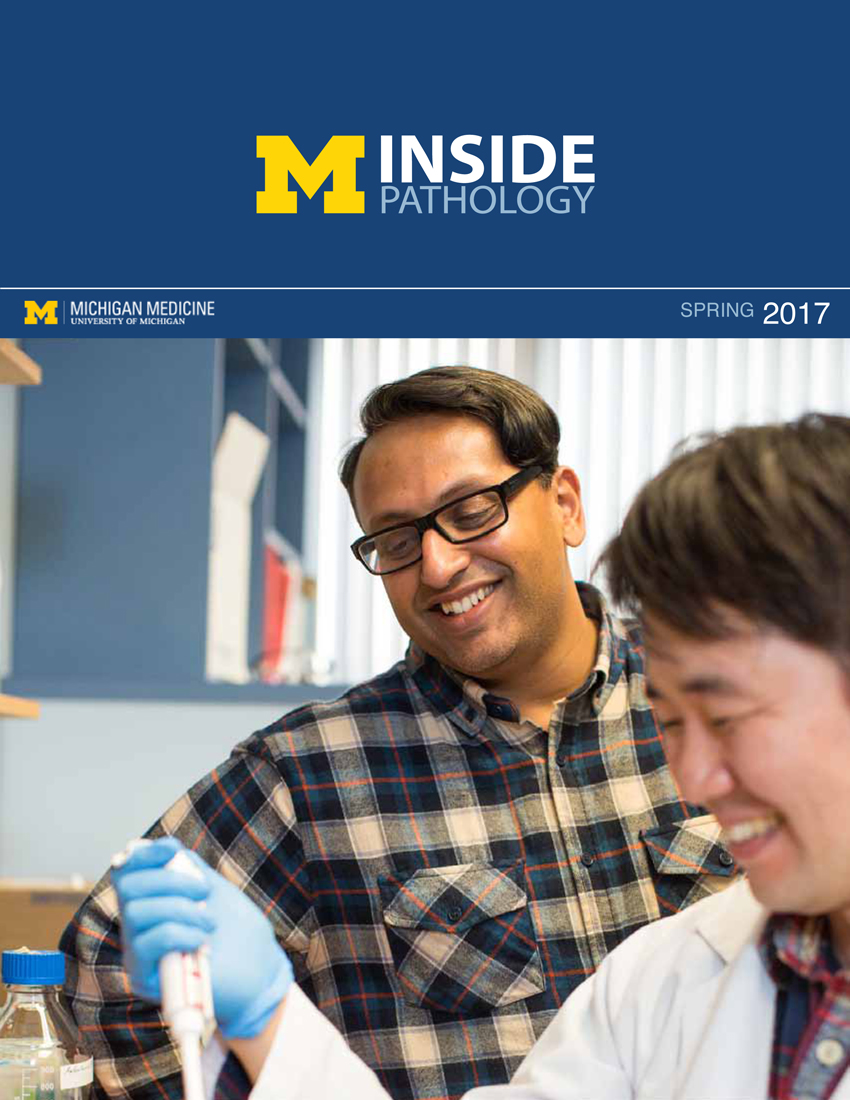 ON THE COVER
Dr. Sriram Venneti, MD, PhD and Postdoctoral Fellow, Chan Chung, PhD investigate pediatric brain cancer. See Article |
newsletter
INSIDE PATHOLOGYAbout Our NewsletterInside Pathology is an newsletter published by the Chairman's Office to bring news and updates from inside the department's research and to become familiar with those leading it. It is our hope that those who read it will enjoy hearing about those new and familiar, and perhaps help in furthering our research. CONTENTS
|
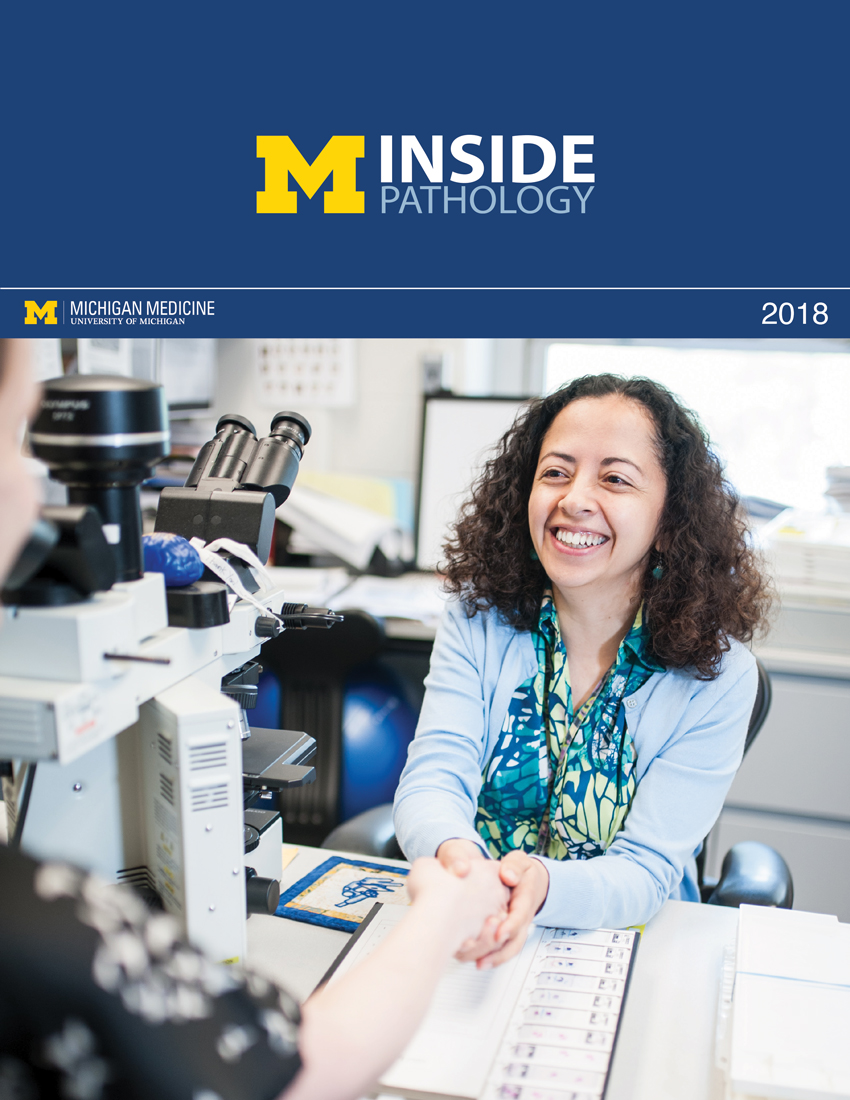 ON THE COVER
Director of the Neuropathology Fellowship, Dr. Sandra Camelo-Piragua serves on the Patient and Family Advisory Council. |
newsletter
INSIDE PATHOLOGYAbout Our NewsletterInside Pathology is an newsletter published by the Chairman's Office to bring news and updates from inside the department's research and to become familiar with those leading it. It is our hope that those who read it will enjoy hearing about those new and familiar, and perhaps help in furthering our research. CONTENTS
|
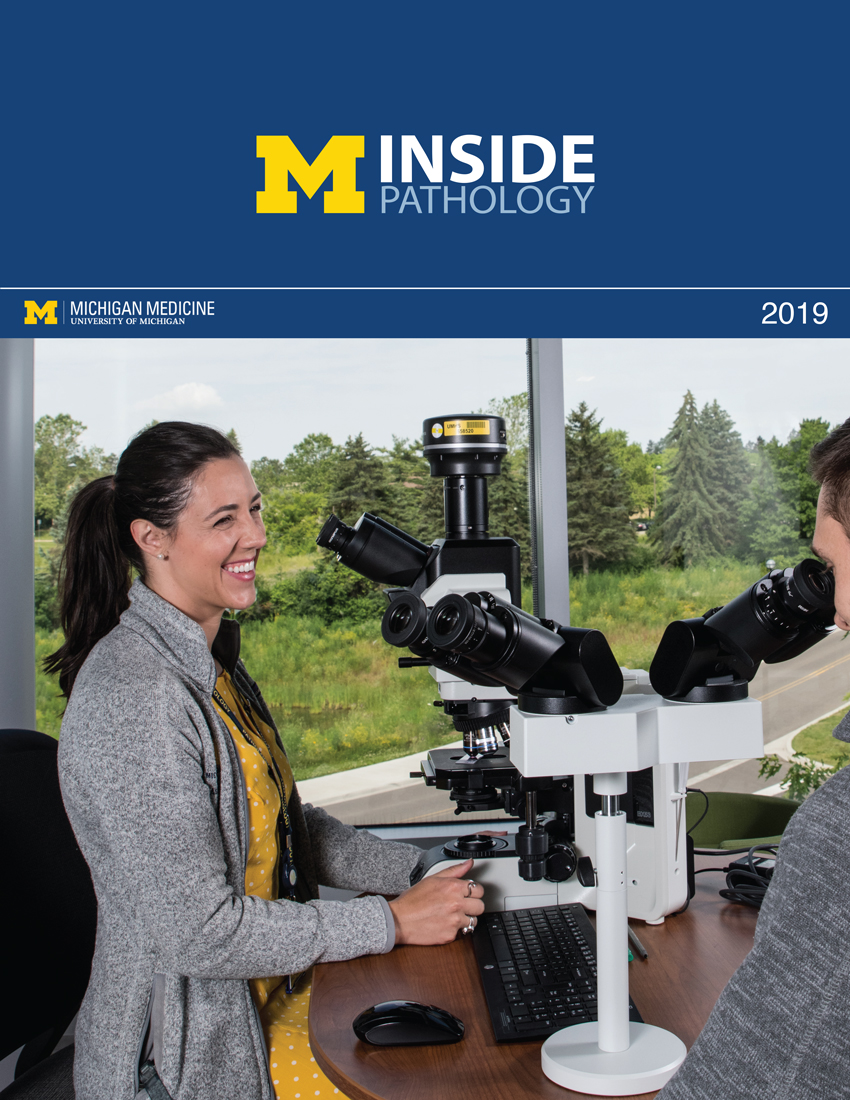 ON THE COVER
Residents Ashley Bradt (left) and William Perry work at a multi-headed scope in our new facility. |
newsletter
INSIDE PATHOLOGYAbout Our NewsletterInside Pathology is an newsletter published by the Chairman's Office to bring news and updates from inside the department's research and to become familiar with those leading it. It is our hope that those who read it will enjoy hearing about those new and familiar, and perhaps help in furthering our research. CONTENTS
|
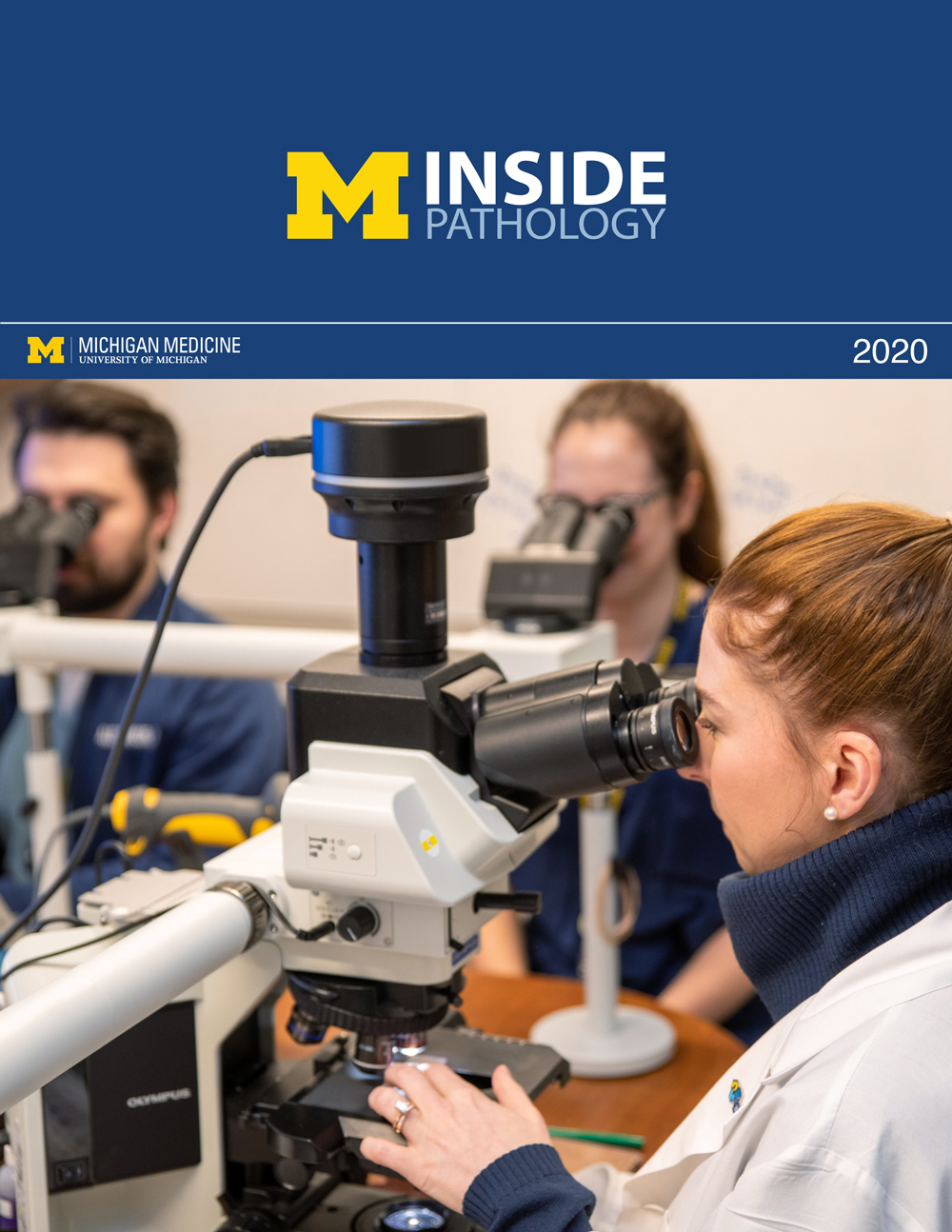 ON THE COVER
Dr. Kristine Konopka (right) instructing residents while using a multi-headed microscope. |
newsletter
INSIDE PATHOLOGYAbout Our NewsletterInside Pathology is an newsletter published by the Chairman's Office to bring news and updates from inside the department's research and to become familiar with those leading it. It is our hope that those who read it will enjoy hearing about those new and familiar, and perhaps help in furthering our research. CONTENTS
|
 ON THE COVER
Patient specimens poised for COVID-19 PCR testing. |
newsletter
INSIDE PATHOLOGYAbout Our NewsletterInside Pathology is an newsletter published by the Chairman's Office to bring news and updates from inside the department's research and to become familiar with those leading it. It is our hope that those who read it will enjoy hearing about those new and familiar, and perhaps help in furthering our research. CONTENTS
|
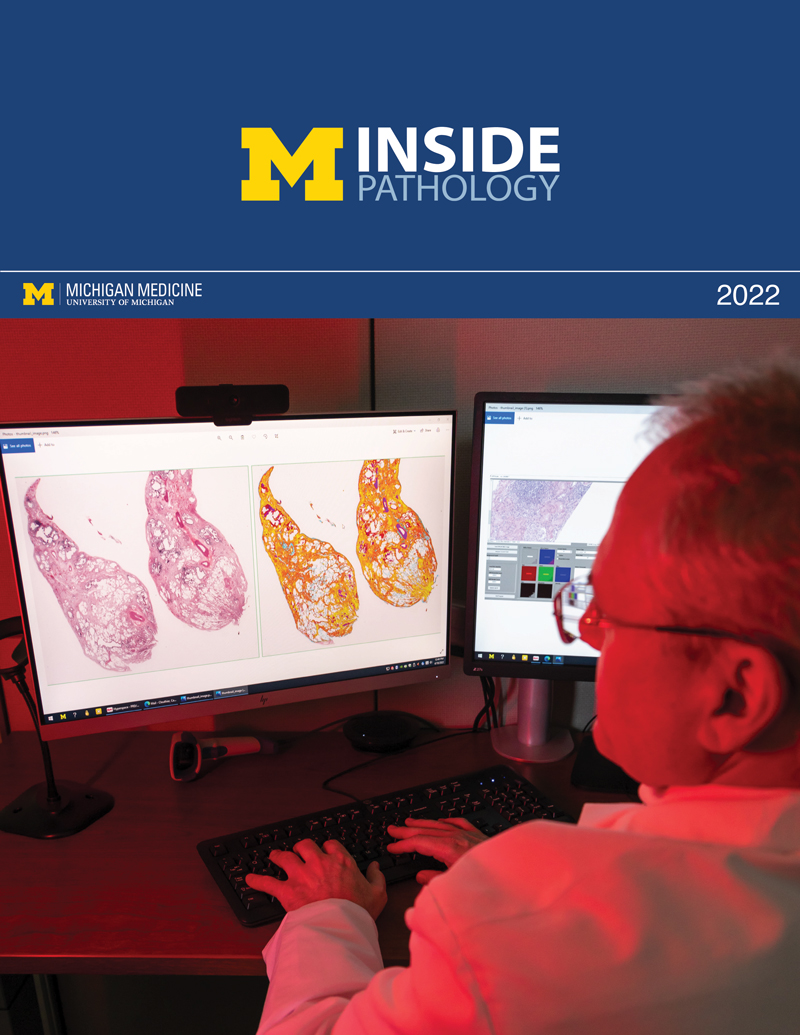 ON THE COVER
Dr. Pantanowitz demonstrates using machine learning in analyzing slides. |
newsletter
INSIDE PATHOLOGYAbout Our NewsletterInside Pathology is an newsletter published by the Chairman's Office to bring news and updates from inside the department's research and to become familiar with those leading it. It is our hope that those who read it will enjoy hearing about those new and familiar, and perhaps help in furthering our research. CONTENTS
|
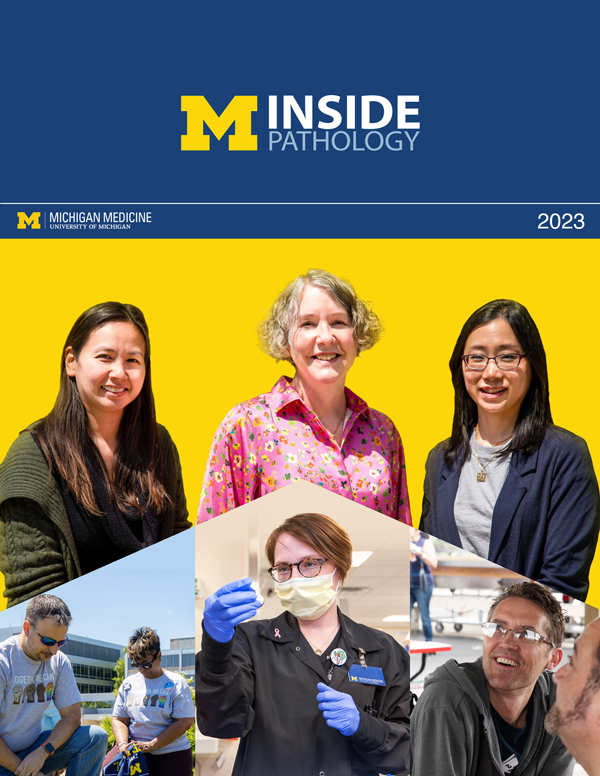 ON THE COVER
(Left to Right) Drs. Angela Wu, Laura Lamps, and Maria Westerhoff. |
newsletter
INSIDE PATHOLOGYAbout Our NewsletterInside Pathology is an newsletter published by the Chairman's Office to bring news and updates from inside the department's research and to become familiar with those leading it. It is our hope that those who read it will enjoy hearing about those new and familiar, and perhaps help in furthering our research. CONTENTS
|
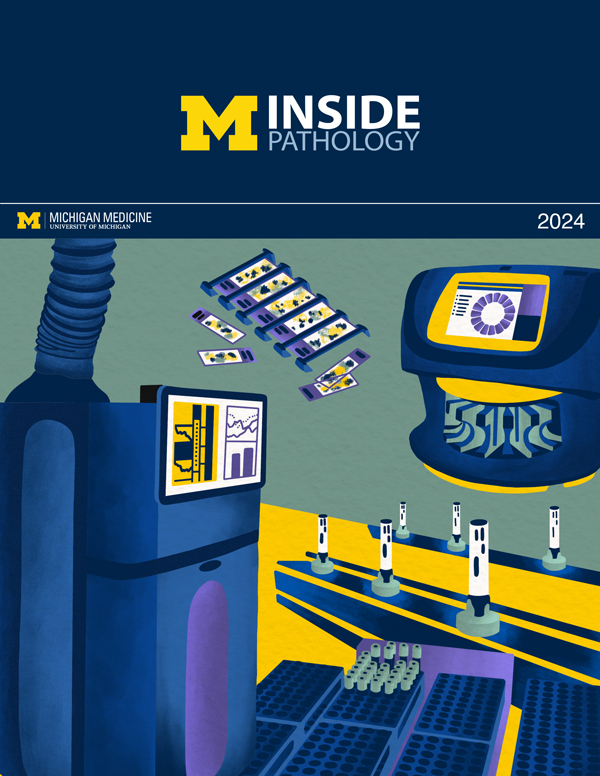 ON THE COVER
Illustration representing the various machines and processing used within our labs. |
newsletter
INSIDE PATHOLOGYAbout Our NewsletterInside Pathology is an newsletter published by the Chairman's Office to bring news and updates from inside the department's research and to become familiar with those leading it. It is our hope that those who read it will enjoy hearing about those new and familiar, and perhaps help in furthering our research. CONTENTS
|
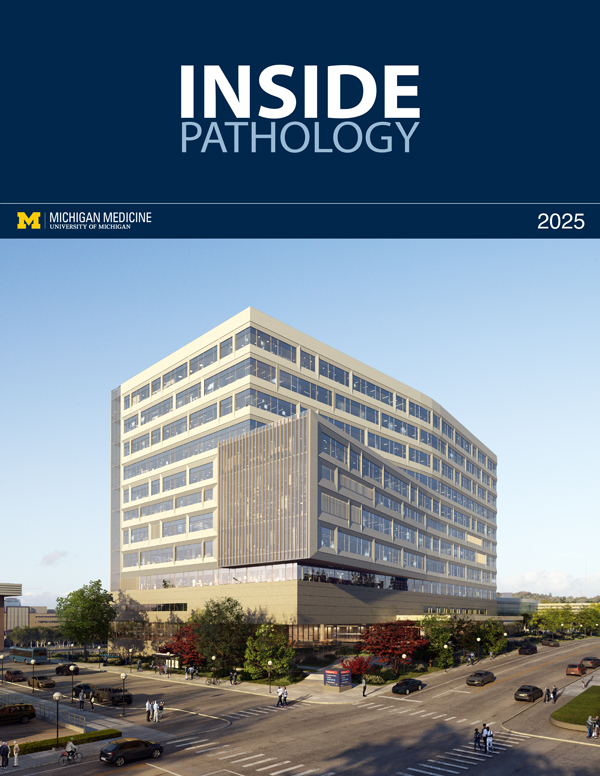 ON THE COVER
Rendering of the D. Dan and Betty Khn Health Care Pavilion. Credit: HOK |
newsletter
INSIDE PATHOLOGYAbout Our NewsletterInside Pathology is an newsletter published by the Chairman's Office to bring news and updates from inside the department's research and to become familiar with those leading it. It is our hope that those who read it will enjoy hearing about those new and familiar, and perhaps help in furthering our research. CONTENTS
|

MLabs, established in 1985, functions as a portal to provide pathologists, hospitals. and other reference laboratories access to the faculty, staff and laboratories of the University of Michigan Health System’s Department of Pathology. MLabs is a recognized leader for advanced molecular diagnostic testing, helpful consultants and exceptional customer service.