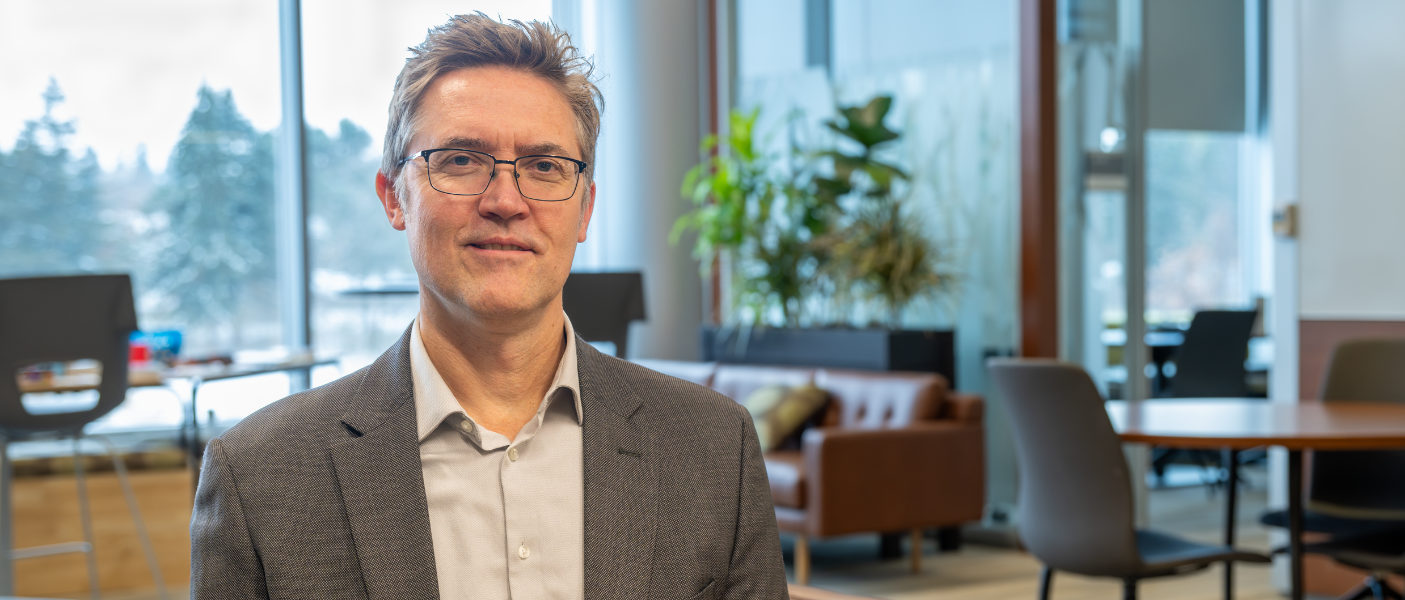
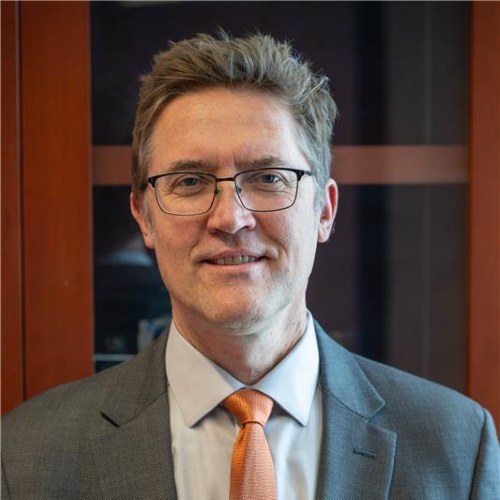
 The Department of Pathology is pleased to introduce our new Director of Clinical Pathology and the Michigan Medicine Laboratories CLIA Director, Lee Schroeder, MD, PhD. Schroeder joined the department in 2014 as an assistant professor, directing Point-of-Care Testing and Satellite Phlebotomy, signing out immunology cases, serving as the CLIA director for several ambulatory care laboratories, and working towards a sub-specialization in clinical informatics through the practice pathway.
Having grown up in Southeast Michigan but also having spent about 20 years after high school in Pennsylvania and California, when he first arrived back in the state where he has an extended family, and first walked into the department, he knew the position was a perfect fit for him, and he felt he had his dream job. About 10 years in, former CP Director Riccardo Valdez, MD, left U-M for a new role, and Schroeder was asked to step in on an interim basis. “When I was asked, honestly, I felt a pit in my stomach, and I thought, ‘Alright, I guess things are all about to change.’ I wasn’t looking for an administrative job, I was totally invested in clinical activities, developing my analytic skills, and global health research. However, it was going to be an interim position, and Pathology had given me so much; there was no way I wasn’t going to accept the interim position.”
To Schroeder’s surprise, he discovered that this new position was incredibly rewarding as well. “First, it involves getting to know so many people in the department in such a meaningful way. Second, I’m finding this to be an opportunity to create something special with my colleagues and staff in the division. We are in a constant search for ways to improve our laboratories and make a difference. This job has been as rewarding as anything else I have done since I’ve been here, and it was totally unexpected. It is incredibly engaging. After the first few nights of me coming home and talking my wife’s ear off about the latest issues, she knew I would be taking the permanent job if offered, and she knew far before I did.” When he was offered the position permanently, Schroeder was happy to accept.
The consummate problem-solver, Schroeder has ideas for changes he would like to make in the division. “One of the things I never really liked about pathology is you provide a test result, and that report gets sent out into the world, and you never hear back. What happened in the cascade of care? That has always bothered me. In baseball, you swing, work to develop your swing, and receive immediate feedback to improve. In chess, the same thing. You try different strategies, and you know right away if they work. In pathology, there is no quick feedback. That makes it very challenging to improve.” To work towards solving this problem, Schroeder is developing data analytic pipelines that leverage real world data from our EHR system to learn which diagnostic strategies have the greatest impact. This involves the use of epidemiological tools such as propensity score methods that emulate randomized trials to permit some level of causal inference. This can inform patient care decisions and improve test ordering patterns.
One example of this that he is working on with resident Dr. Benjamin Telford and other faculty is a propensity score analysis of our reflex algorithm for celiac disease screening. “This algorithm is designed to optimize the sensitivity and specificity of testing versus ad hoc ordering among the five different tests for celiac disease.” Meaning, the correct patients get referred to specialty care and downstream biopsy. Their analysis has shown the algorithm improves access to care by reducing low-value referrals in several services. And importantly, improving access to care is a primary Michigan Medicine priority.
“Access to care is a huge issue and is linked to another one, length of stay. As we shift our focus to value in healthcare, it is about delivering impact while reducing costs. If you can get quality outcomes with a shorter length of stay, that is huge win for our health system and our patients.” Schroeder believes that quality projects in the laboratories should be mapped back to these institutional priorities. “We need to measure the impact and map to specific targets to see if what we are doing is having the impact we think it is. We need to measure it, track it, and adjust how we are providing our services.”
Laboratory testing is estimated to account for only 2-3% of healthcare costs, yet it can have an oversized impact on the care cascade. “The proper tests at the right time can prevent a lot of morbidity through early diagnosis. The wrong test might lead to inappropriate imaging, which can be very expensive, such as PET scans. We are in a great position to steward these resources and make sure they’re having the impact our health system and patients need.”
Another area Schroeder is pursuing is identifying a line of diagnostic innovation in Clinical Pathology that spans multiple laboratory sections, enabling shared resources and encouraging collaboration. An area he is considering is immune function profiling. “It impacts almost every lab section. In Immunology, there are of course the autoimmune diseases that could benefit from this area of diagnostics. In Microbiology, there is the host immune response to microbes, potentially enabling the detection of infection even when viruses and bacteria are at very low levels. In the Cellular Therapies Lab, we collect cells for CAR-T therapy, which could feasibly be monitored in the patient over time. In the HLA lab, transplant rejections can be predicted through monitoring immune function. This is just an example of an area that I feel we could have cross-cutting interests, share some equipment, and begin to innovate.”
Looking to the future, with the rise of AI and robotics, Schroeder believes the laboratory is better positioned to benefit from these advances than almost any other medical discipline. However, “to harness these advances, and despite automation, we may very well need more people across the laboratories. That is a problem when we consider the workforce trends in our field.” The solution will require a comprehensive approach. “We need to get the word out about the lab. It is not a job people are familiar with. We offer an internship program here, which is extremely helpful, and that could potentially be expanded. And importantly, our medical laboratory scientists will become increasingly comfortable with AI.” AI has not yet infiltrated its way into clinical pathology, but it is getting closer. The division is currently exploring Maizey, a retrieval augmented generation tool provided by U-M through ChatGPT, to analyze technical documentation, identify gaps and inconsistencies in SOPs, and create training materials. “We have thousands of SOPs, so there is a lot of room for gaps and inconsistencies. Our future staff will need to know how to use these AI tools.”
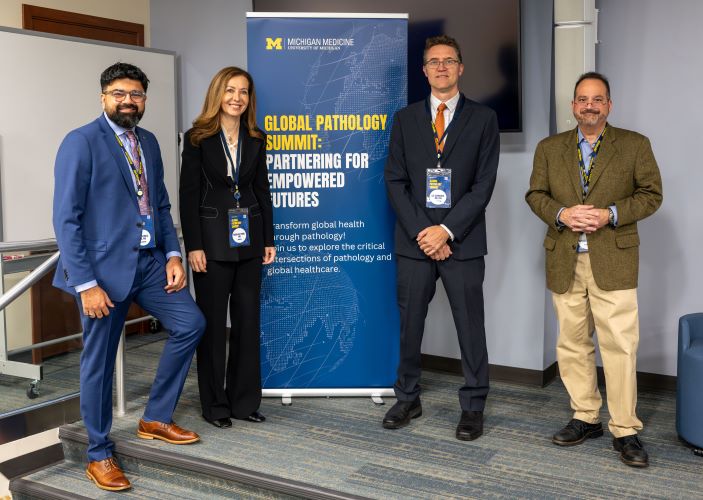 Schroeder is also passionate about global pathology, an area in which he has been active since medical school. “Probably the easiest way to positively impact pathology in low- and middle-income countries is through education. Following our Global Pathology Summit last November, Dr. Rouba Ali-Fehmi began holding online lectures every Wednesday at 8:00 am. We often have 50 pathologists logging in from around the world to hear our experts talk about their area of expertise.” Schroeder is also a member of the Association of Diagnostics and Laboratory Medicine (ADLM), and is a member of the Global Laboratory Quality Initiative. They provide in-person educational opportunities worldwide, often at society meetings attended by medical laboratory scientists.
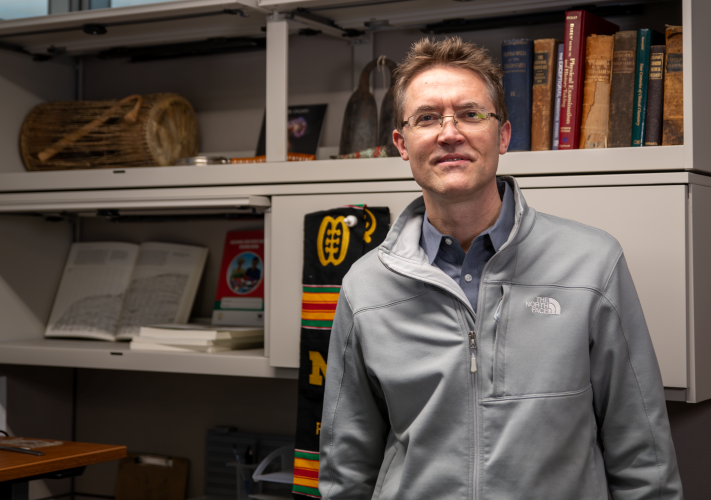 “On the CP side, we also do a lot of work with surveillance. Many African nations have national health systems. Ghana has 10,000 health facilities in its public health system. We use mathematical modeling to help optimize the allocation of different resources. For example, where in the laboratory network should your molecular tests for TB or HIV be placed, and where should you rely on send-out testing? We are also working closely with the Ghana Health Service to train their key personnel in creating risk maps that predict where disease outbreaks are likely to happen. They want to learn these approaches so that they can best allocate their limited resources, such as preventive vaccination campaigns. We received a grant from the Center for Global Health Equity for this project and hosted a week-long workshop at U-M last month.” Under the new grant, Schroeder is partnering with his University of Ghana colleague, Professor Ernest Kenu, to enable Ghana Health Service to code the models they need whenever they are required. Ghana Health Service staff are already moving beyond the initial models for yellow fever and bacterial meningitis proposed in the grant and applying their skills to other diseases including mpox, cholera, and measles. He is also excited about advances in digital pathology and the impact it can have in low and middle-income countries where many countries have less than 10 pathologists per million people, and several have less than one pathologist per million. The department is currently developing a program in Lebanon and Kenya to establish best practices in digital pathology implementation in low- and middle-income countries.
Schroeder is happiest when he can work in collaborative teams, but also has blocks of time where he can dive deeply into data analytics. “As CP Director, I am meeting so many more people and working with more teams. That is exciting to me and brings me so much meaning. It has connected me to the department in a way I wasn’t expecting, and it has been very rewarding.” He is also very appreciative of the guidance he has received along his career journey from Dr. Ruben Gur, a PhD psychologist at the University of Pennsylvania, who encouraged him to pursue both an MD and a PhD. “The PhD gave me all these skills in data analytics that I now use. It is central in my career here.” He is also grateful for Dr. David Keren, who demonstrates the importance of patient care in everything he does. “He is willing to do just about anything if it will help a patient, even a little bit. He is very inspirational.”
On a personal level, Schroeder enjoys spending time with his two sons, Henry and Cy, and his wife, Laurel, as they explore the world together. From the time they had their first taste of chocolate to greater challenges, such as undertaking survival challenges in nature, “Exploring the world with my family is the most rewarding thing for me.”
Congratulations, Dr. Schroeder, on your advancement to Director of Clinical Pathology. We look forward to you taking the division to an even higher level.
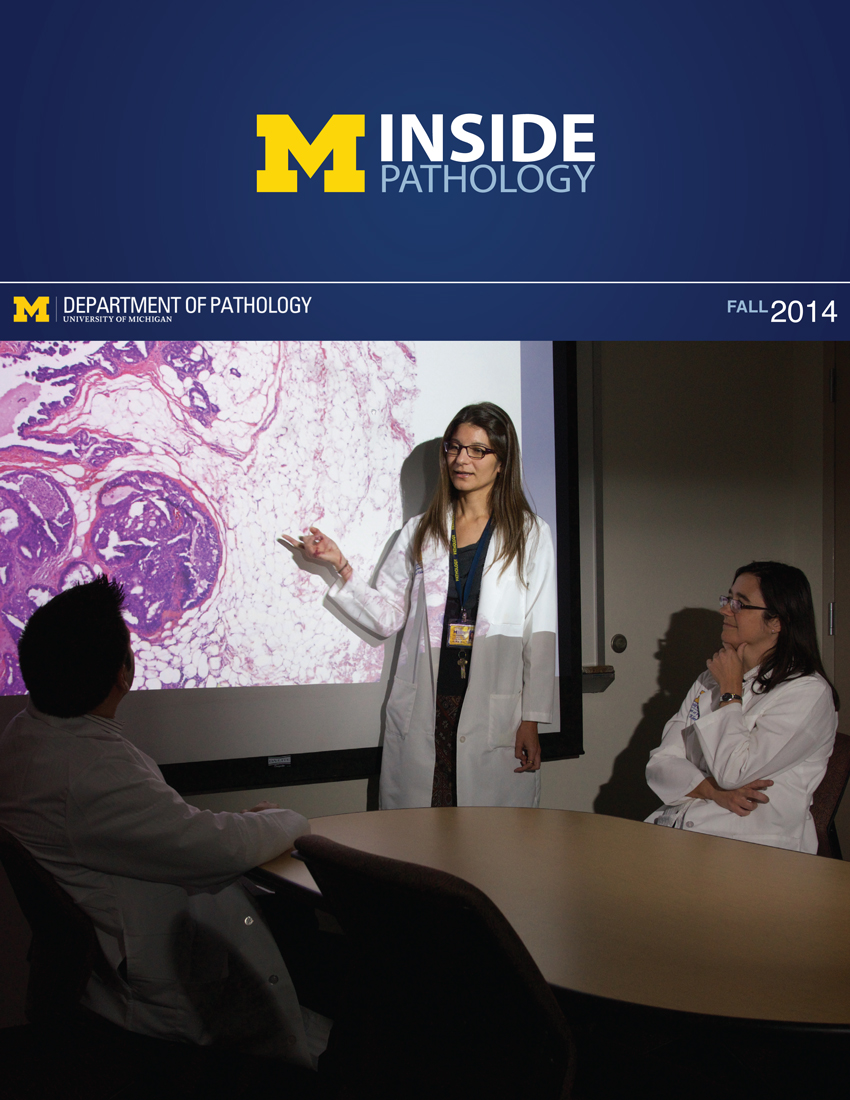 ON THE COVER
Breast team reviewing a patient's slide. (From left to right) Ghassan Allo, Fellow; Laura Walters, Clinical Lecturer; Celina Kleer, Professor. See Article |
newsletter
INSIDE PATHOLOGYAbout Our NewsletterInside Pathology is an newsletter published by the Chairman's Office to bring news and updates from inside the department's research and to become familiar with those leading it. It is our hope that those who read it will enjoy hearing about those new and familiar, and perhaps help in furthering our research. CONTENTS
|
 ON THE COVER
Autopsy Technician draws blood while working in the Wayne County morgue. See Article |
newsletter
INSIDE PATHOLOGYAbout Our NewsletterInside Pathology is an newsletter published by the Chairman's Office to bring news and updates from inside the department's research and to become familiar with those leading it. It is our hope that those who read it will enjoy hearing about those new and familiar, and perhaps help in furthering our research. CONTENTS
|
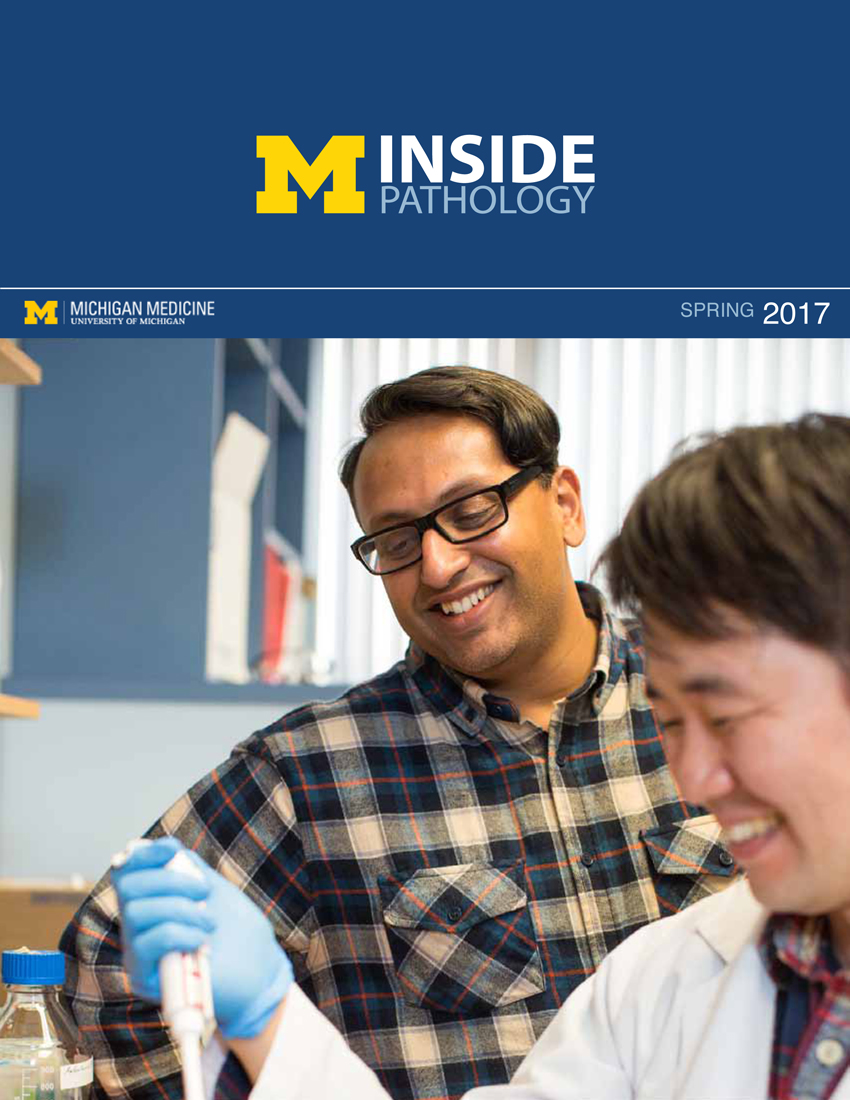 ON THE COVER
Dr. Sriram Venneti, MD, PhD and Postdoctoral Fellow, Chan Chung, PhD investigate pediatric brain cancer. See Article |
newsletter
INSIDE PATHOLOGYAbout Our NewsletterInside Pathology is an newsletter published by the Chairman's Office to bring news and updates from inside the department's research and to become familiar with those leading it. It is our hope that those who read it will enjoy hearing about those new and familiar, and perhaps help in furthering our research. CONTENTS
|
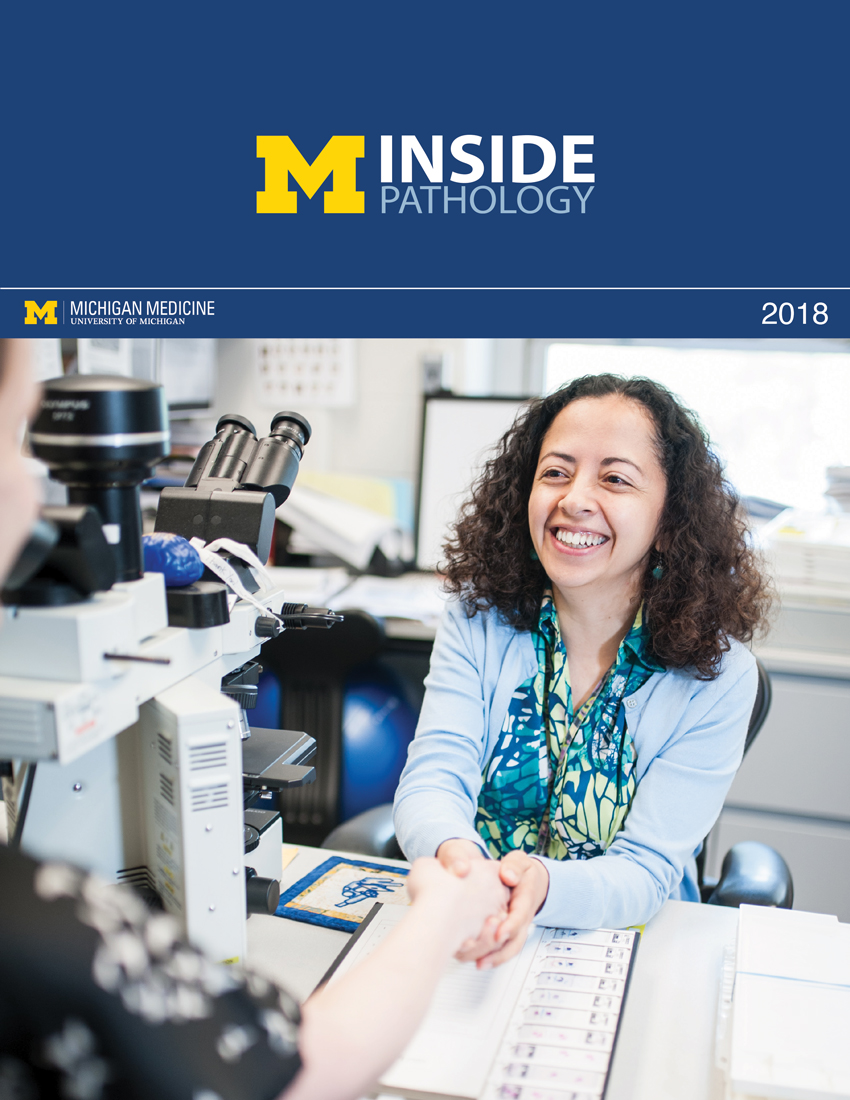 ON THE COVER
Director of the Neuropathology Fellowship, Dr. Sandra Camelo-Piragua serves on the Patient and Family Advisory Council. |
newsletter
INSIDE PATHOLOGYAbout Our NewsletterInside Pathology is an newsletter published by the Chairman's Office to bring news and updates from inside the department's research and to become familiar with those leading it. It is our hope that those who read it will enjoy hearing about those new and familiar, and perhaps help in furthering our research. CONTENTS
|
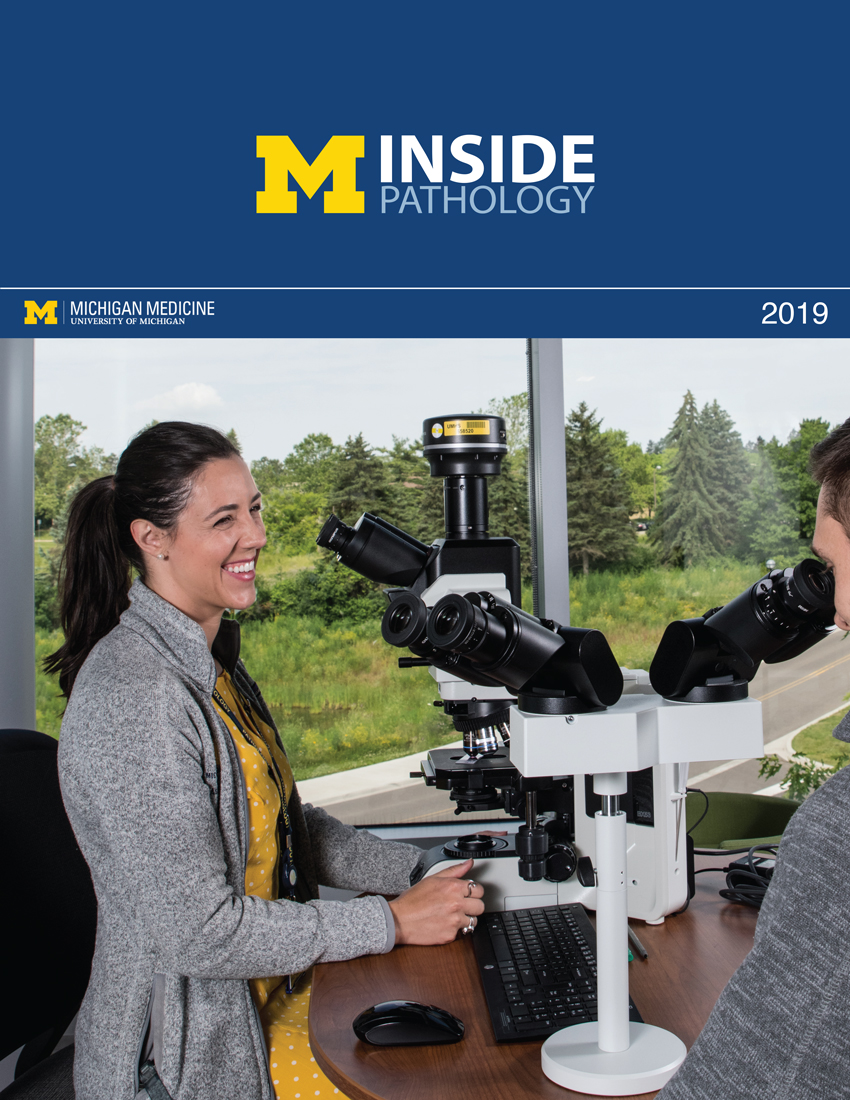 ON THE COVER
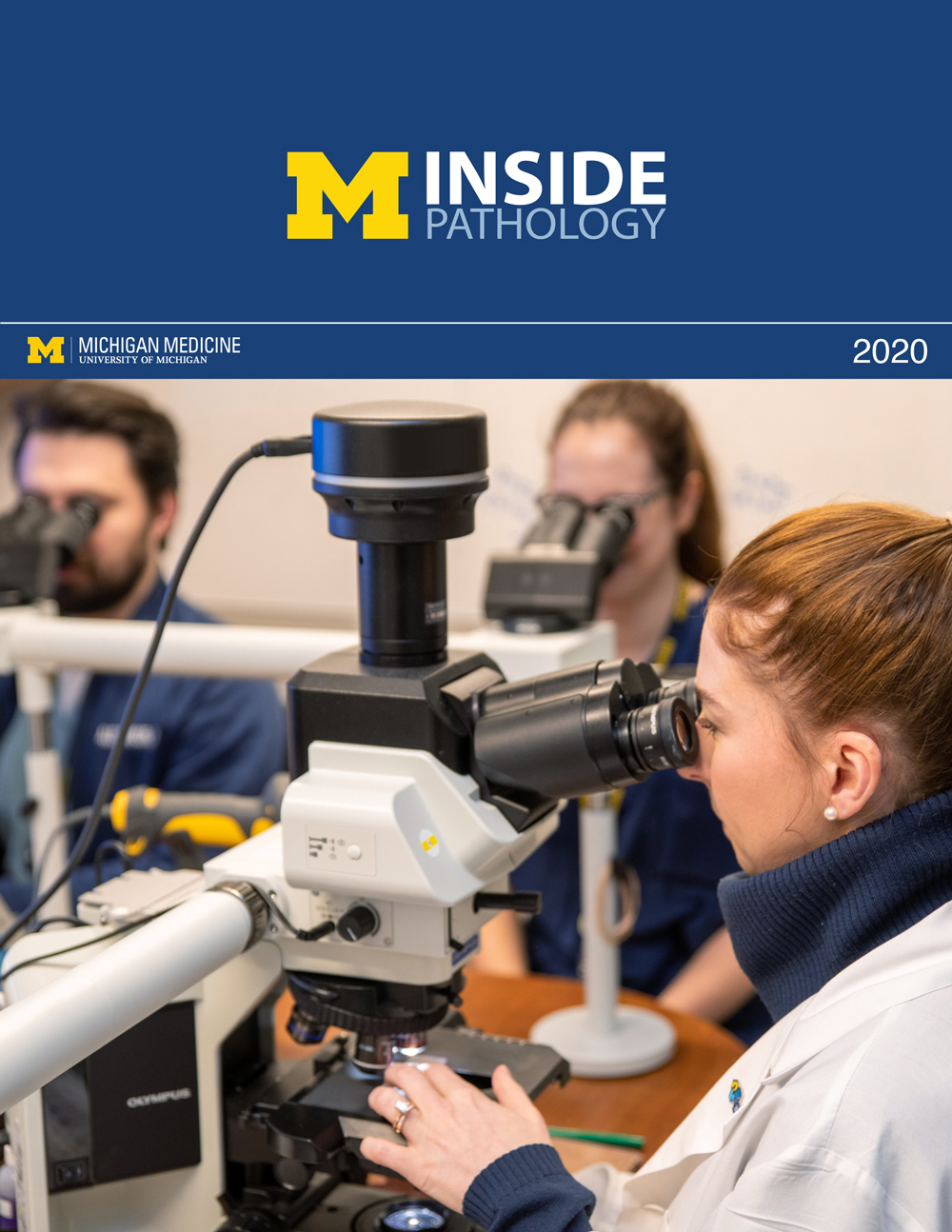
Residents Ashley Bradt (left) and William Perry work at a multi-headed scope in our new facility. |
newsletter
INSIDE PATHOLOGYAbout Our NewsletterInside Pathology is an newsletter published by the Chairman's Office to bring news and updates from inside the department's research and to become familiar with those leading it. It is our hope that those who read it will enjoy hearing about those new and familiar, and perhaps help in furthering our research. CONTENTS
|
 ON THE COVER
Dr. Kristine Konopka (right) instructing residents while using a multi-headed microscope. |
newsletter
INSIDE PATHOLOGYAbout Our NewsletterInside Pathology is an newsletter published by the Chairman's Office to bring news and updates from inside the department's research and to become familiar with those leading it. It is our hope that those who read it will enjoy hearing about those new and familiar, and perhaps help in furthering our research. CONTENTS
|
 ON THE COVER
Patient specimens poised for COVID-19 PCR testing. |
newsletter
INSIDE PATHOLOGYAbout Our NewsletterInside Pathology is an newsletter published by the Chairman's Office to bring news and updates from inside the department's research and to become familiar with those leading it. It is our hope that those who read it will enjoy hearing about those new and familiar, and perhaps help in furthering our research. CONTENTS
|
 ON THE COVER
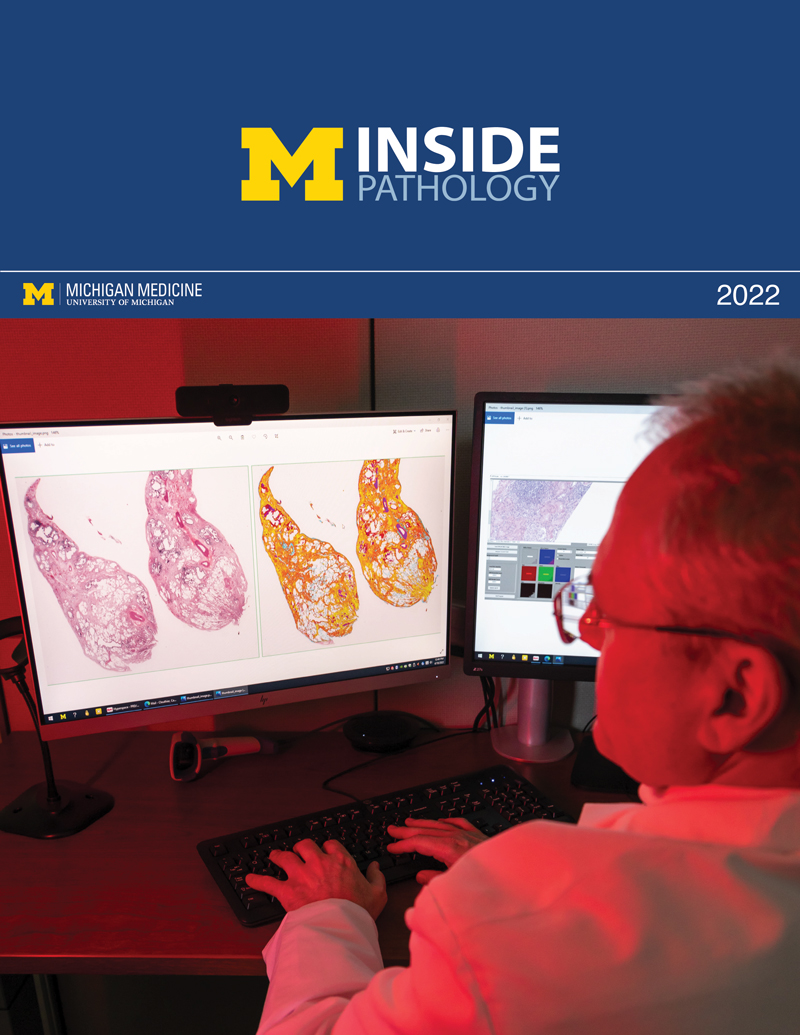
Dr. Pantanowitz demonstrates using machine learning in analyzing slides. |
newsletter
INSIDE PATHOLOGYAbout Our NewsletterInside Pathology is an newsletter published by the Chairman's Office to bring news and updates from inside the department's research and to become familiar with those leading it. It is our hope that those who read it will enjoy hearing about those new and familiar, and perhaps help in furthering our research. CONTENTS
|
 ON THE COVER
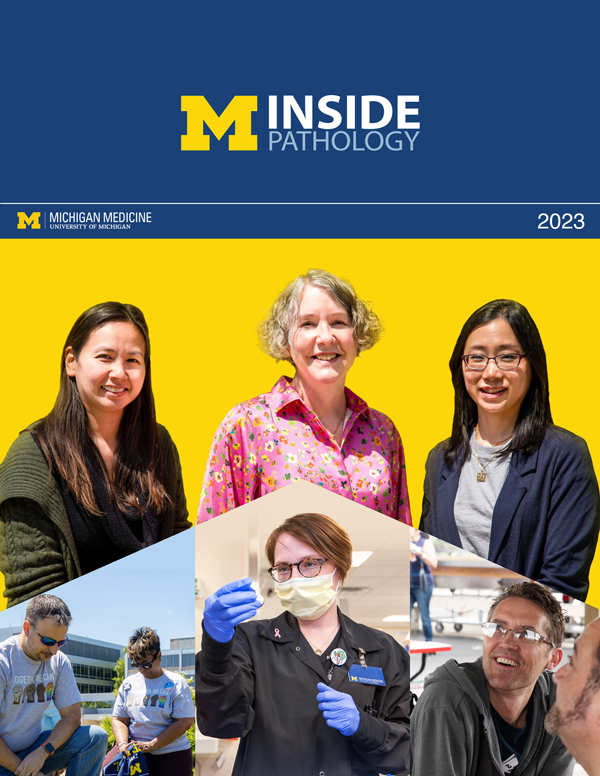
(Left to Right) Drs. Angela Wu, Laura Lamps, and Maria Westerhoff. |
newsletter
INSIDE PATHOLOGYAbout Our NewsletterInside Pathology is an newsletter published by the Chairman's Office to bring news and updates from inside the department's research and to become familiar with those leading it. It is our hope that those who read it will enjoy hearing about those new and familiar, and perhaps help in furthering our research. CONTENTS
|
 ON THE COVER
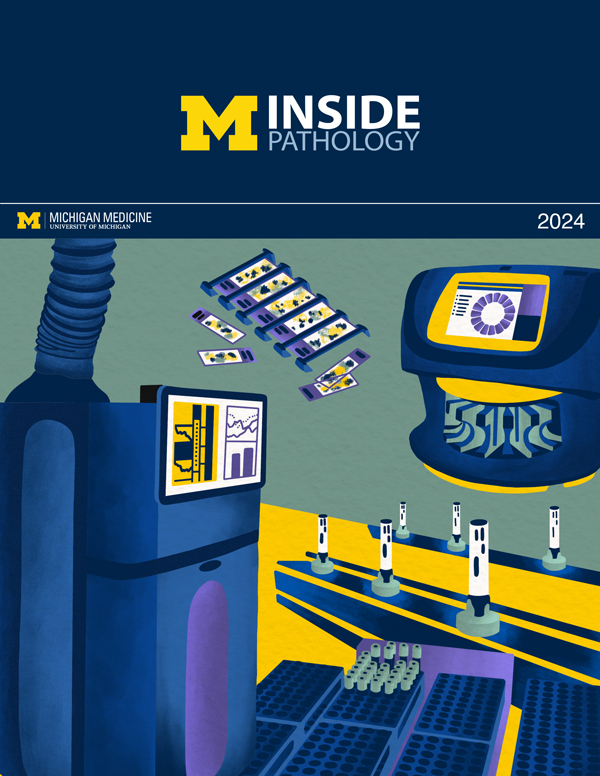
Illustration representing the various machines and processing used within our labs. |
newsletter
INSIDE PATHOLOGYAbout Our NewsletterInside Pathology is an newsletter published by the Chairman's Office to bring news and updates from inside the department's research and to become familiar with those leading it. It is our hope that those who read it will enjoy hearing about those new and familiar, and perhaps help in furthering our research. CONTENTS
|
 ON THE COVER
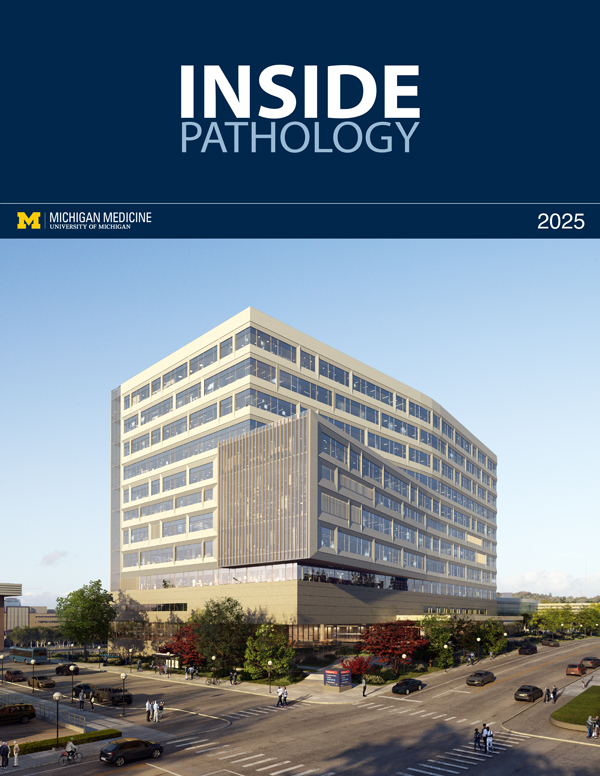
Rendering of the D. Dan and Betty Khn Health Care Pavilion. Credit: HOK |
newsletter
INSIDE PATHOLOGYAbout Our NewsletterInside Pathology is an newsletter published by the Chairman's Office to bring news and updates from inside the department's research and to become familiar with those leading it. It is our hope that those who read it will enjoy hearing about those new and familiar, and perhaps help in furthering our research. CONTENTS
|
MLabs, established in 1985, functions as a portal to provide pathologists, hospitals. and other reference laboratories access to the faculty, staff and laboratories of the University of Michigan Health System’s Department of Pathology. MLabs is a recognized leader for advanced molecular diagnostic testing, helpful consultants and exceptional customer service.