News Archive
Filter by Division
Filter by Categories
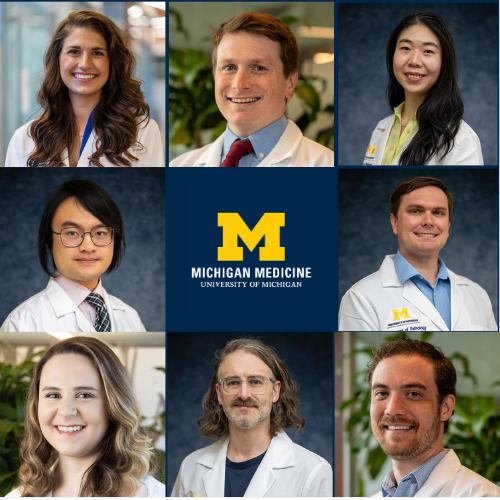
The Department Welcomes Eight New Clinical Fellows
August 3, 2026 / NewsEach year, a new group of clinical fellows joins the department to pursue their training in subspecialty areas as they take their final preparatory step toward becoming independent pathologists serving in hospital laboratories, academic medical centers, reference laboratories, and community laboratory settings. This year, we welcome seven clinical fellows to the department.
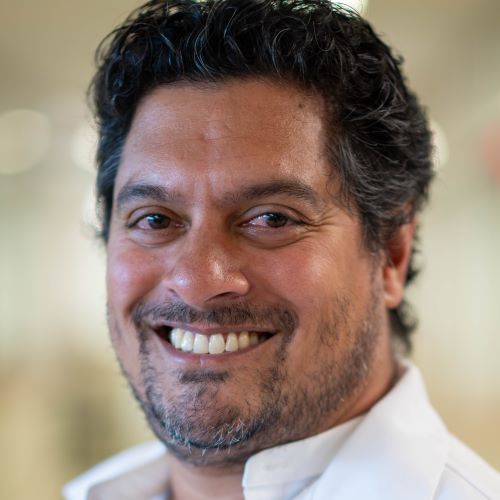
Taubman Emerging Scholar Award Supports New Strategies to Make Small Cell Lung Cancer Visible to the Immune System
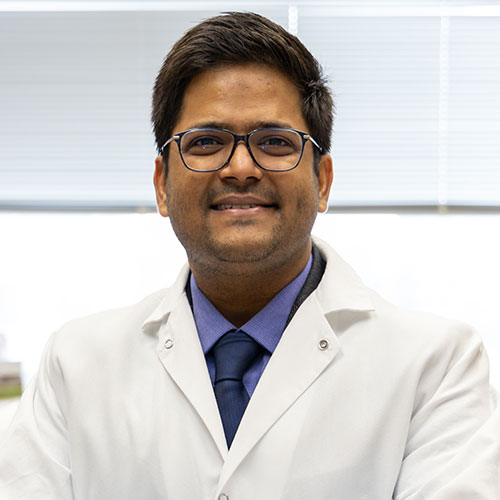
July 29, 2026 / Experimental PathologyLess than two years after arriving at the University of Michigan, physician-scientist Navin Rajput Mahadevan, MD, PhD, has been named a Taubman Emerging Scholar, receiving five years of support to advance research aimed at improving outcomes for patients with small cell lung cancer, one of the deadliest forms of cancer. Mahadevan, an assistant professor of pathology, will use the award to investigate how some small cell lung cancers become recognizable to the immune system and how that knowledge can be used to develop new treatments. The Taubman Emerging Scholar Award provides $50,000 annually for five years, funding laboratory supplies, reagents, and specialized analyses needed to move the project forward.
U-M Pathology Researcher Sriram Venneti, MD, PhD featured in NYT
July 21, 2026 / Cancer ResearchU-M neuropathologist Sriram Venneti, MD, PhD, was recently featured in The New York Times for his research on diffuse midline glioma (DMG), one of the deadliest pediatric brain cancers.
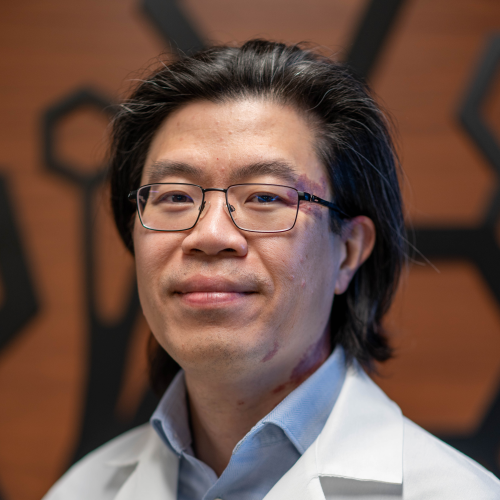
Dr. Sean Li Recognized with GME Program Director Excellence Award
July 2, 2026 / ResidentsOn May 6, 2026, Dr. Sean Li, Associate Professor and Director of the Pathology Residency Program, received the GME Program Director Excellence Award from the University of Michigan Medical School. This award recognizes one of the 100+ residency or fellowship directors who has had a significant impact on the quality of education in their respective training program. The award criteria include a demonstrated commitment to teaching through dedication, innovation, creativity, leadership, teamwork, advocacy, crisis management, role modeling, and overall impact on the program.
Residents and Fellows Honored at Annual Farewell Celebration
June 24, 2026 / ResidentsAn annual event that recognizes the years of dedication, learning, and service as trainees prepare to embark on the next chapter of their medical careers.
Drs. Jared Neeley and Benjamin Telford selected as Assistant Chief Residents 2026-2027
June 23, 2026 / ResidentsCongraulations to our new chief residents for the 2026-2027 academic year!
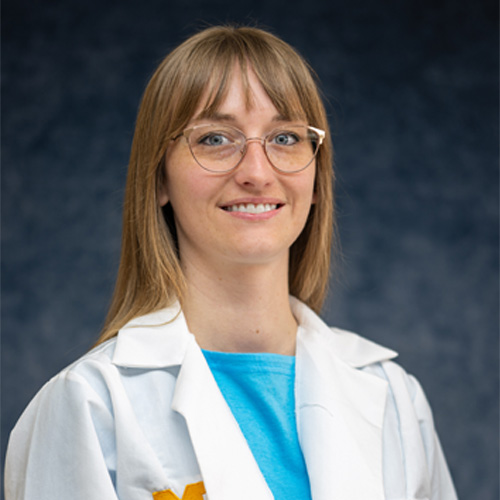
Jessica Anderson-Calleja Receives the Paul E. Stradjord Young Investigator Award for AI Research in Laboratory Medicine
June 22, 2026 / EducationJessica Anderson-Calleja, MD, a hematopathology fellow at Michigan Medicine, is gaining recognition for her work exploring how artificial intelligence can improve laboratory operations.
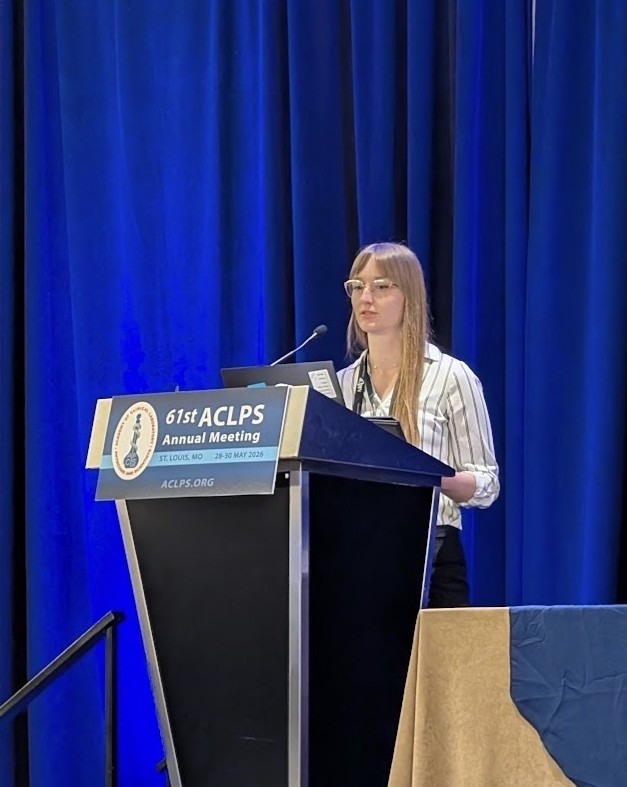 Anderson-Calleja recently received the Paul E. Strandjord Young Investigator Award from the Academy of Clinical Laboratory Physicians and Scientists (ACLPS) after presenting her research at the organization’s annual meeting in St. Louis. The award highlights emerging leaders in laboratory medicine and recognizes innovative research contributions from fellows and residents.
Her presentation, titled “Artificial Intelligence in the Clinical Laboratory: A Tool for Laboratory Document Review,” focused on a quality improvement project that used AI to streamline document comparison processes within the laboratory.
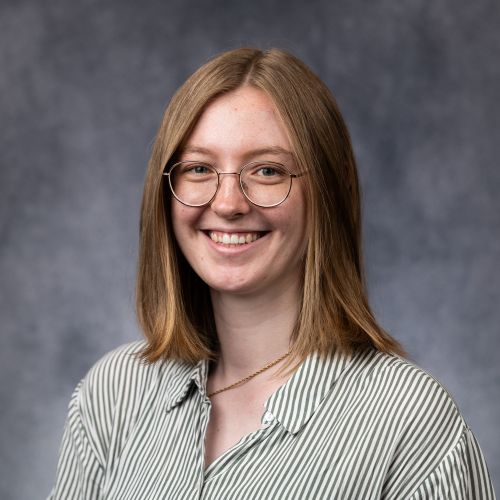
PhD Candidate Paula Reichel Awarded NIH F31 Fellowship to Study Origins of Food Allergy
June 19, 2026 / Phd ProgramPaula Reichel, a Molecular and Cellular Pathology PhD candidate in the Department of Pathology at the University of Michigan, has received a prestigious National Institutes of Health (NIH) F31 fellowship to support her research on how food allergies develop early in life.
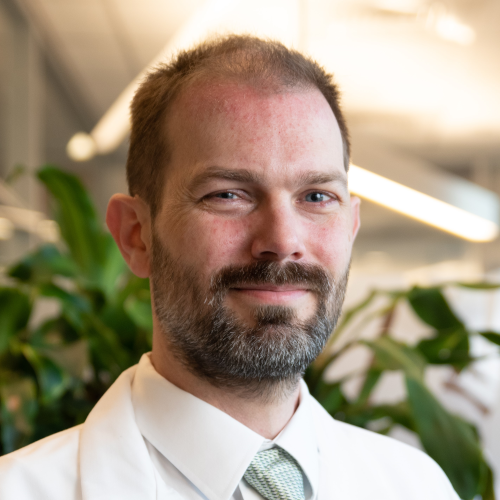
David Manthei, MD, PhD, Named Associate Clinical Pathology Director
June 17, 2026 / Clinical PathologyNamed Associate Director of the Clinical Pathology Division on March 1, 2026, Dr. David Manthei brings a broad perspective shaped by his many roles. He serves as Section Director of Immunology and Special Chemistry, Associate Program Director for the Pathology Residency Program, Program Director for the Chemical Pathology Fellowship Program, and Director of the Michigan Diabetes Research Center Chemistry Laboratory, in addition to his new role.
Chang Kim is the Next BRCF Flow Cytometry Core Faculty Director
June 2, 2026 / ResearchAppointment of Chang Kim, Ph.D., as faculty director of the Flow Cytometry Core, a unit in the Biomedical Research Core Facilities.
Twelve Pathology Faculty Promotions Approved
May 27, 2026 / FacultyOn May 21, 2026, the University of Michigan Board of Regents approved promotions for 12 Department of Pathology Faculty. Their new appointments take effect September 1, 2026.
Clinical Professors: Drs. Bryan Betz, Aaron Udager, Allecia Wilson
Clinical Associate Professors: Drs. David Chapel, Jensyn Cone Sullivan, Steven Hrycaj, Cathryn Lapedis
Professor with Tenure: Dr. Jeffrey Hodgin
Associate Professor with Tenure: Dr. Russell Ryan
Associate Research Scientist: Dr. Jean Tien
Assistant Research Scientists: Drs. Joseph Pickard, Jose Raya Sandino
Gabriel Núñez, MD, Named Distinguished Fellow of the AAI Class of 2026
May 20, 2026 / ResearchGabriel Núñez, MD, the Paul de Kruif Professor of Pathology, was recognized as a Distinguished Fellow of the American Association of Immunologists (AAI) Class of 2026.
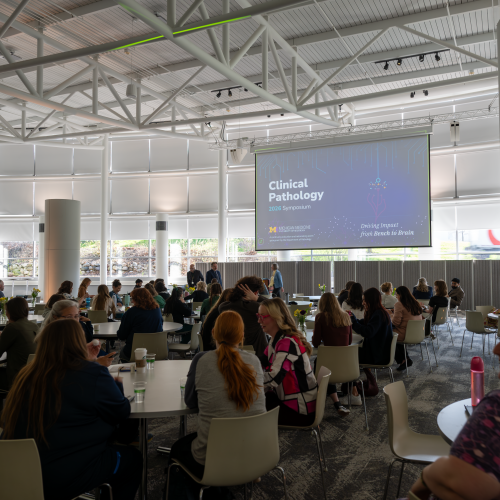
Clinical Pathology Symposium 2026 Brings Experts Together at U‑M
April 29, 2026 / Clinical PathologyThe 14th Clinical Pathology Symposium was held on Thursday, April 23, 2026, at the North Campus Research Complex, with the theme “Driving Impact from Bench to Brain.” The symposium was organized by members of the clinical laboratories, communications, and training programs with the goal of providing continuing education for laboratory staff. In addition, 15 laboratories, departmental units, and the sustainability office hosted interactive booths where participants could test their laboratory knowledge, learn about culture change, and explore ways to promote a more sustainable workplace. Games and prizes were offered at many of the booths, contributing to a highly engaging and positive event atmosphere.
Michigan Researchers Uncover How a 'Frankenstein' Gene Fuels Aggressive Childhood Cancer
April 8, 2026 / Cancer ResearchResearchers in the Parolia Lab discovered that the loss of the STAG2 gene can make Ewing sarcoma more aggressive by altering how its key cancer-driving protein behaves. Without STAG2, the EWS-FLI1 protein is redirected to stronger genetic “on switches,” significantly increasing the activity of tumor-promoting genes.
From Health Lab: Researchers identify new therapeutic target for neuroendocrine tumors in the gastrointestinal tract
April 7, 2026 / Cancer ResearchResearchers identify new therapeutic target for neuroendocrine tumors in the gastrointestinal tract. Targeting two separate pathways that control lipid synthesis led to longer survival in mouse models.
Vascular STING activation facilitates NK cell anti-tumor immunity in small cell lung cancer
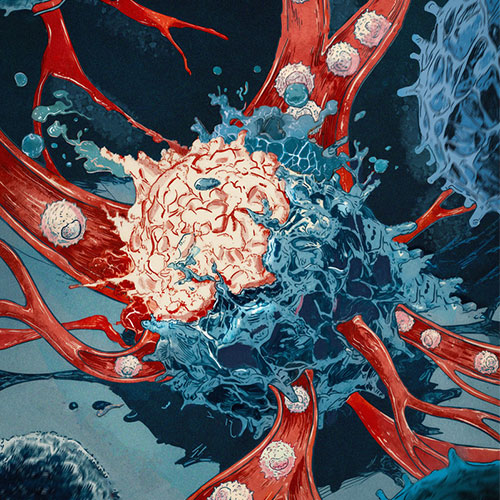
March 31, 2026 / Experimental PathologySmall cell lung cancer (SCLC) is a highly aggressive cancer that evades the immune system by suppressing MHC-I, a molecule that normally helps T cells recognize and attack cancer cells. Although this loss of MHC-I should make SCLC susceptible to natural killer (NK) cells, which target such cells, NK cells are largely missing from the tumor environment in patients, limiting this potential immune response.
MCP Student Gabbi Rozumek becomes Dr. Gabrielle M. Rozumek
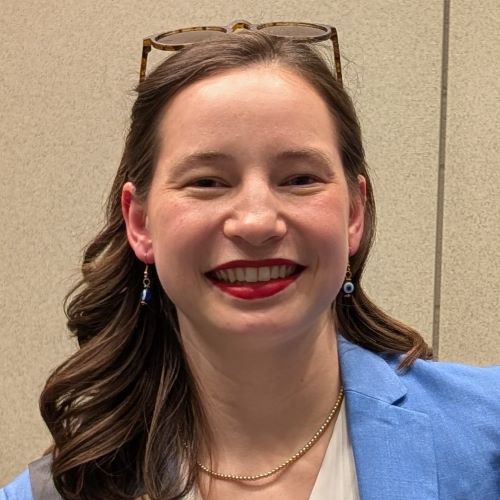
March 30, 2026 / Phd ProgramThe Department of Pathology at the University of Michigan proudly celebrates the achievements of our graduating scholars, whose scientific curiosity, commitment, and resilience exemplify our department's mission. Among them is Gabrielle Rozumek, PhD, whose journey through the Molecular & Cellular Pathology (MCP) Graduate Program reflects both the spirit of inquiry that drives pathology and the profound humanity that underpins our field.
Arul Chinnaiyan awarded 13th annual Harrington Prize
March 27, 2026 /Match Day 2026!
March 20, 2026 / ResidentsIt's Match Day! Welcome to the eight new residents joining the U-M Pathology Residency Program.
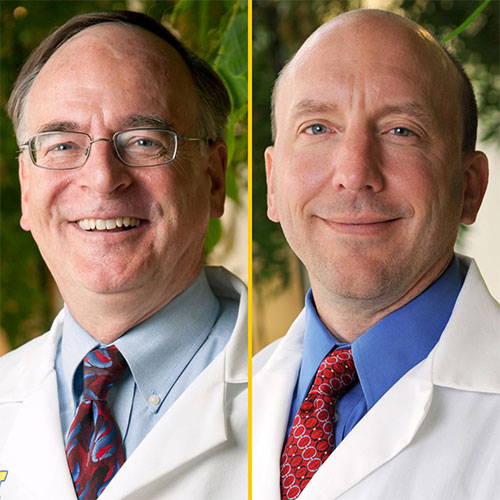
Opsidio, LLC Acquired by Insmed, Advancing Anti-SCF Therapy: From Discovery to Clinical trials
March 13, 2026 / ResearchOpsidio, LLC—co-founded by Nicholas W. Lukacs, PhD, Steven Kunkel, PhD, and Cory Hogaboam, PhD—has been acquired by Insmed, which plans to advance the company’s investigational monoclonal antibody INS1148 into Phase 2 studies for interstitial lung disease and moderate-to-severe asthma.
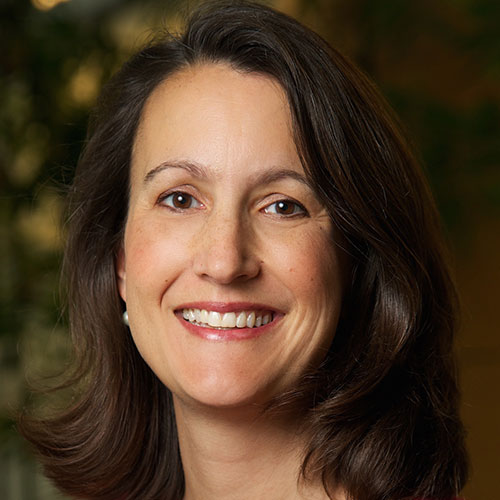
From the University Record: Clinical professor Lauren B. Smith elected to fill out SACUA term
February 24, 2026 / FacultyLauren B. Smith, a clinical professor of pathology in the Medical School, has been elected to fill a vacancy on the nine-member Senate Advisory Committee on University Affairs, the executive arm of U-M’s central faculty governance system.
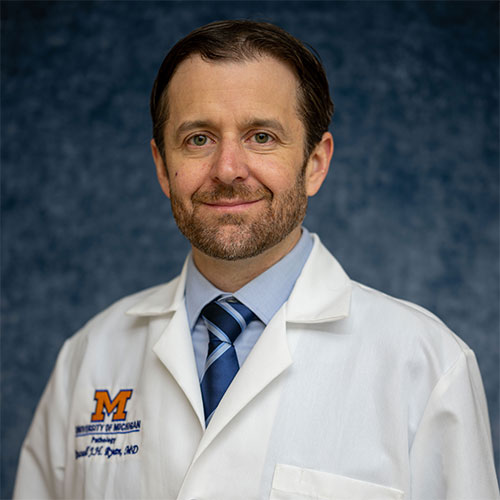
A New Genome-Wide Tool for Detecting Cancer-Causing Rearrangements in Routine Lymphoma Biopsies
February 20, 2026 / Clinical ResearchA collaborative team of researchers from the University of Michigan, New York University, and Arima Genomics has developed a new method that improves the detection of genomic rearrangements in lymphomas and multiple myeloma.
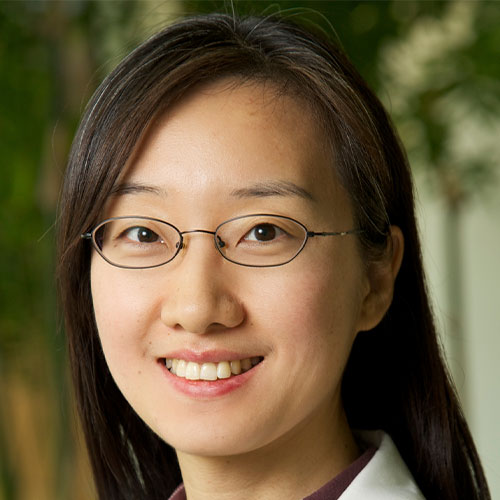
Yuanyuan Qiao Receives NETRF Investigator Grant
February 18, 2026 / GrantsDr. Yuanyuan Qiao has been named a recipient of the Investigator Award from the Neuroendocrine Research Foundation.
In Memoriam: Regina Ferguson (1958-2026)
February 10, 2026 / In MemoriamRegina Catherine Ferguson, Facilities Manager for the Department of Pathology (2017-2026), passed away peacefully at home on February 2, 2026, in the presence of her family after a long and heroic battle with cancer. Regina was a beloved member of our team, with a smile that lit up every room she entered. Her quick steps and service-oriented demeanor reflected who she was at heart – a servant leader. Anyone with a facilities-related issue could receive a quick resolution when Regina was notified. She was a bloodhound on the trail, ensuring nothing was left undone.
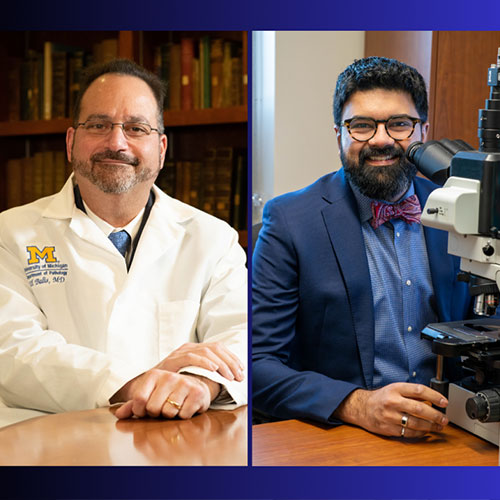
U-M & Kenya Collaboration Receives CGHE Impact Accelerator Grant to Advance Digital Pathology
February 5, 2026 / FacultyThe University of Michigan’s Center for Global Health Equity has awarded an Impact Accelerator Grant to a U-M–Kenya collaboration focused on improving digital pathology quality and diagnostic accuracy, led by Dr. Ulysses G. J. Balis with Dr. Kamran Mirza as co-investigator.
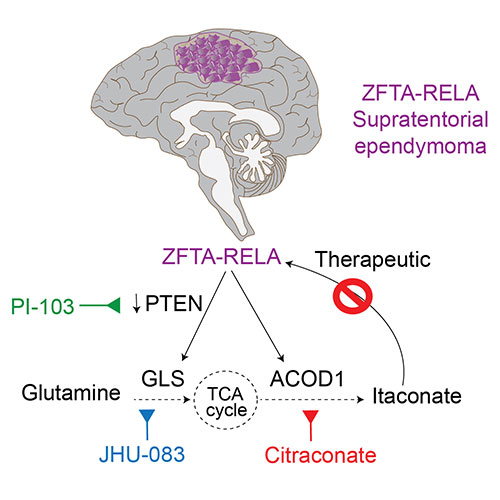
Targeting a metabolite as a therapy for childhood ependymomas
February 4, 2026 / Cancer ResearchA new study published in Nature by Dr. Sriram Venneti’s laboratory at the University of Michigan’s Department of Pathology and the Chad Carr Pediatric Brain Tumor Center has identified a surprising driver of ependymoma growth: a molecule called itaconate. The discovery opens the door to new therapeutic strategies for this aggressive childhood cancer.
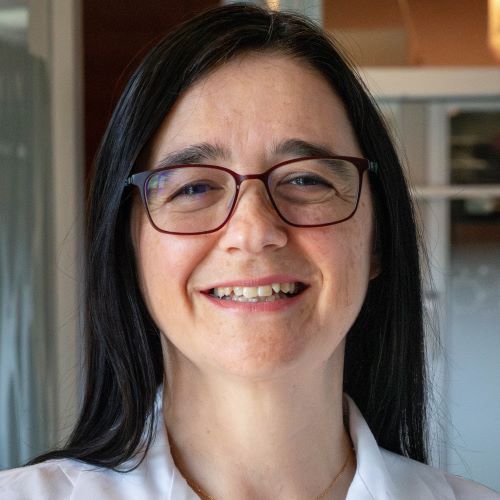
Kleer Lab Receives Dynami Foundation Donation
January 30, 2026 / Cancer ResearchDr. Celina Kleer, Harold A. Oberman Collegiate Professor of Pathology, received a generous donation from The Dynami Foundation to study invasive lobular carcinoma of the breast. The Dynami Foundation recognized Dr. Kleer as an exceptional breast cancer researcher with over 20 years of experience.
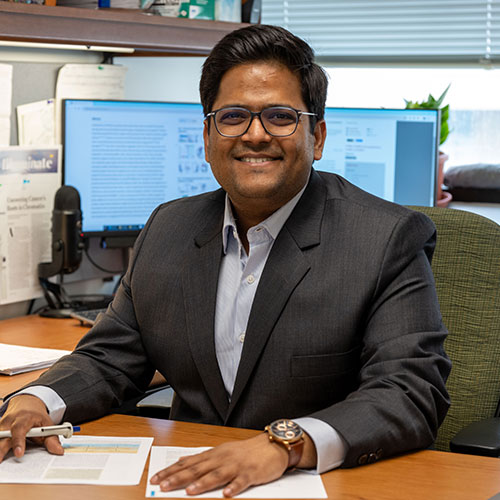
Parolia Lab Receives Grant to Fund New Pediatric Cancer Research
January 27, 2026 / ResearchParolia Lab to expand its research into Ewing Sarcoma with grant funding from Alex’s Lemonade Stand.
Drs. Chan and Bresler Co-authored New AFIP Fascicle
January 8, 2026 / Dermatopathology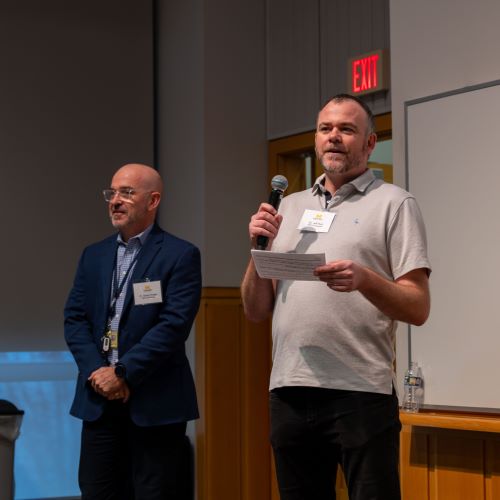
24th Annual Pathology Research Symposium a Resounding Success
November 14, 2025 / McpThe 24th Annual Pathology Research Symposium, held on Friday, November 7th, was a resounding success! The auditorium was filled with graduate students, faculty mentors, and others interested in learning more about the exceptional work being performed by our students.
Dr. Madelyn Lew Changing Medical Education for Michigan Medical Students
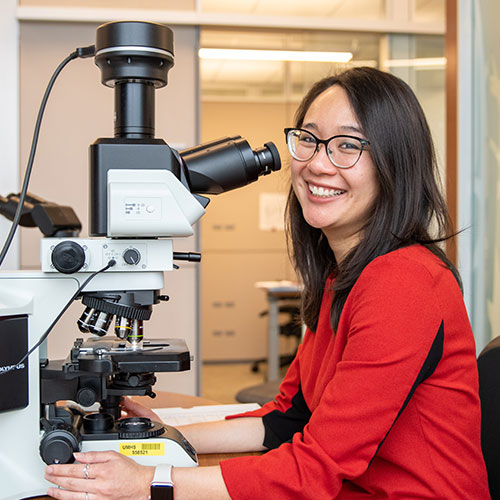
November 13, 2025 / EducationDr. Madelyn Lew was recognized with the Lifetime Achievement in Medical Education Award.
Drs. Ali-Fehmi and Mehra Named to Hour Detroit’s 2025 “Top Docs” List
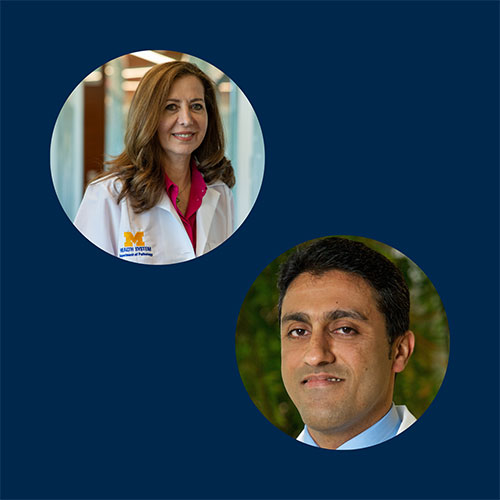
November 5, 2025 / AwardCongratulations to Dr. Rouba Ali-Fehmi and Dr. Rohit Mehra for being named among Hour Detroit magazine’s “Top Docs” of 2025.
From Health Lab: RNA modifications control how stem cells develop into retinal cells
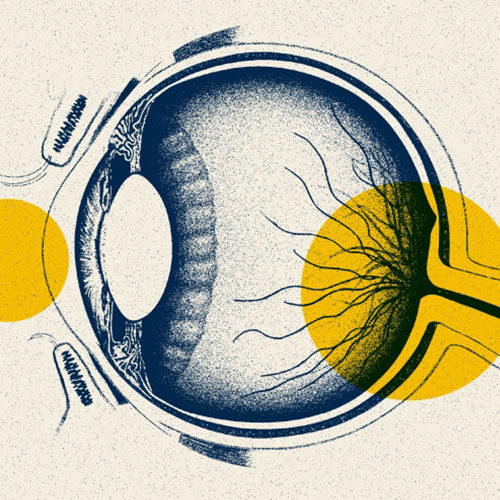
October 31, 2025 / ResearchRNA modifications control how stem cells develop into retinal cells. Study uncovers METTL3’s role in tissue development, which was previously unexplored

From Health Lab: Additional testing can improve kidney cancer diagnosis
October 30, 2025 / MctpA study from the University of Michigan Health Rogel Cancer Center and Department of Pathology shows that further testing in renal cell carcinoma with an overexpression of gene TRIM63 could uncover a mutation otherwise undetected, leading to more treatment options for patients.
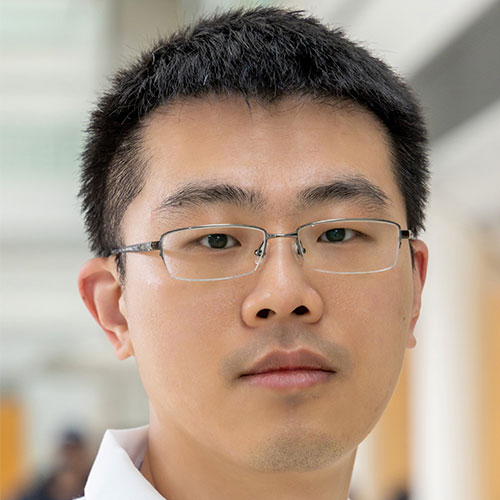
Lanbo Xiao, PhD: Research Faculty Recognition Award
October 28, 2025 / AwardDr. Lanbo Xiao, a research assistant professor in the Center for Translational Pathology, received a 2025 Faculty Award in recognition of his exceptional contributions to cancer research, teaching, and service. His pioneering work in chromatin remodeling and epigenetic regulation has led to new insights in cancer therapy and significant advances in public health diagnostics.
From Health Lab: Researchers find a targeted approach to shut down prostate cancer growth
October 20, 2025 / CancerDr. Kamran Mirza & Michele Mitchell on The Pathologist's Power List 2025
October 8, 2025 / AwardsSummer Medical Laboratory Immersion Internship
October 6, 2025 / Mls InternshipThis summer, the Department of Pathology piloted a Summer Medical Laboratory Immersion Internship with two undergraduate students.
Implementing Sustainable Practices in the HLA Lab
September 30, 2025 / HlaThis October, Erin Gumpper, MLS (ASCP), and Colleen Mackey, MLS (ASCP) of the Histocompatibility Laboratory will present at the ASHI Conference in Orlando, Florida, on the topic of sustainability in the HLA Lab.
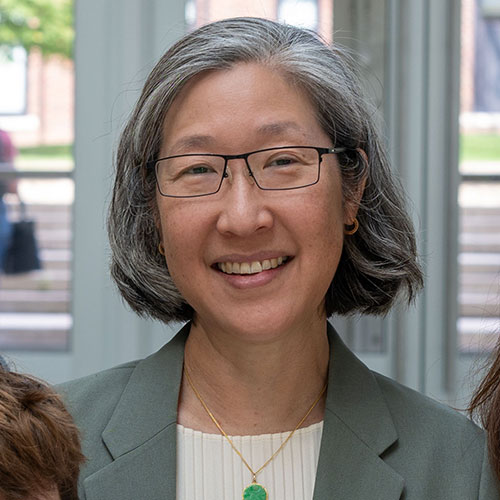
Dr. Annette Kim recognized as CAP Laboratory Improvement Programs Service Award Winner
September 25, 2025 / AwardsAnnette S. Kim, MD, PhD, FCAP, received the prestigious 2025 CAP Laboratory Improvement Programs Service Award in recognition of her transformative leadership as the vice-chair of the Personalized Health Care Committee (PHC).
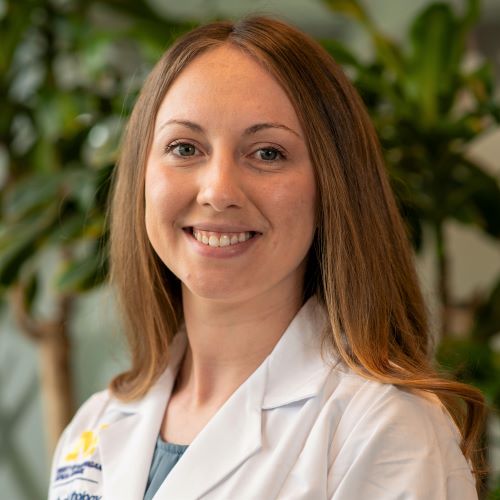
Resident Meredith Herman Recognized as the CAP Junior Member of the Year
September 23, 2025 / AwardOn September 14, 2025, Dr. Meredith Herman, Pathology House Officer III, was awarded the College of American Pathologist’s (CAP’s) Junior Member of the Year award, which is given to one resident or fellow annually who has made exceptional contributions to the field through leadership, advocacy, mentorship, and service. This award reflects the CAP’s commitment to supporting the next generation of pathologists and recognizing the impact residents can have on the specialty, even early in their careers.
Dr. Analisa DiFeo Receives 2025 MICHR Distinguished Clinical and Translational Research Mentor Award
September 15, 2025 / CancerU-M Pathology at CAP!
September 10, 2025 / ConferencesFaculty and trainees from U-M Pathology are in Orlando this weekend for the College of American Pathologists Annual Meeting, sharing their expertise through lectures, posters, and breakout sessions. The schedule features numerous presentations and recognitions, highlighting the department’s contributions and achievements.
FDA Approves First-Ever Drug for a Rare and Aggressive Brain Cancer
August 13, 2025 / ResearchResearch from Sriram Venneti, MD, PhD and Carl Koschmann, MD led to FDA approval of a drug treatment for diffuse midline glioma.

Sanjana Eyunni Becomes Dr. Sanjana Eyunni
August 11, 2025 / Phd ProgramFor decades, cancer has been primarily viewed as a disease caused by genetic mutations, but Molecular and Cellular Pathology (MCP) graduate student Sanjana Eyunnis' research is expanding this perspective. Her thesis research, published in her dissertation, Chimeric AR Motifs and Neo-Enhancer Expansion in Prostate Cancer Development, presents the first evidence of FOXA1-driven prostate adenocarcinoma formation in mouse models and further substantiates the structural classification of distinct FOXA1 alterations within its coding region or genomic locus.
Celebrating 50 years at UMich Path
August 5, 2025 / AnnouncementThe Department of Pathology proudly congratulates Carol Young, Clinical Research Project Manager in Microbiology, on an extraordinary milestone: 50 years of dedicated service at the University of Michigan.
Second Annual Department Art Competition: The Art of Pathology
July 28, 2025 /The winners of the second annual Department of Pathology Art Competition, The Art of Pathology.

Brian Basinski becomes Dr. Brian Basinski
July 25, 2025 / Phd ProgramBusy packing up his apartment following his graduation from the Molecular and Cellular Pathology Graduate Program, Brian Basinski, PhD, took a few moments out of his day to share about his journey. Basinski presented his research in his PhD dissertation defense, “Mechanistic Insights into the Function of PRDM13 in Mouse Retinal Organoids,” on June 17, 2025.
From Health Lab: Study reveals mechanisms behind common mutation and prostate cancer
July 24, 2025 / CancerStudy reveals mechanisms behind common mutation and prostate cancer. Researchers discovered two distinct ways mutation of the FOXA1 gene alters tumor formation and therapy resistance in prostate cancer in mouse models.

Aggie Sangotra becomes Agamjot Kaur Sangotra, PhD
July 23, 2025 / Phd ProgramA career in science was not even on the radar when Agamjot Sangotra, PhD, was in high school. English and history were more up her alley, and high school AP biology was not a fun experience. When Sangotra graduated from her New Jersey high school, she attended Rutgers and was unsure of her career path. “I took psychology and biology at the same time. I found the molecular workings of a cell to be fascinating, much more so than psychology. That was one of the first moments where I could see myself in a science career.” She joined a research laboratory and developed a passion for research. “I also volunteered at a hospital for some time, but did not develop the same sort of passion. I much preferred to be working in the lab than in a stressful hospital environment.”
 ON THE COVER
 ON THE COVER
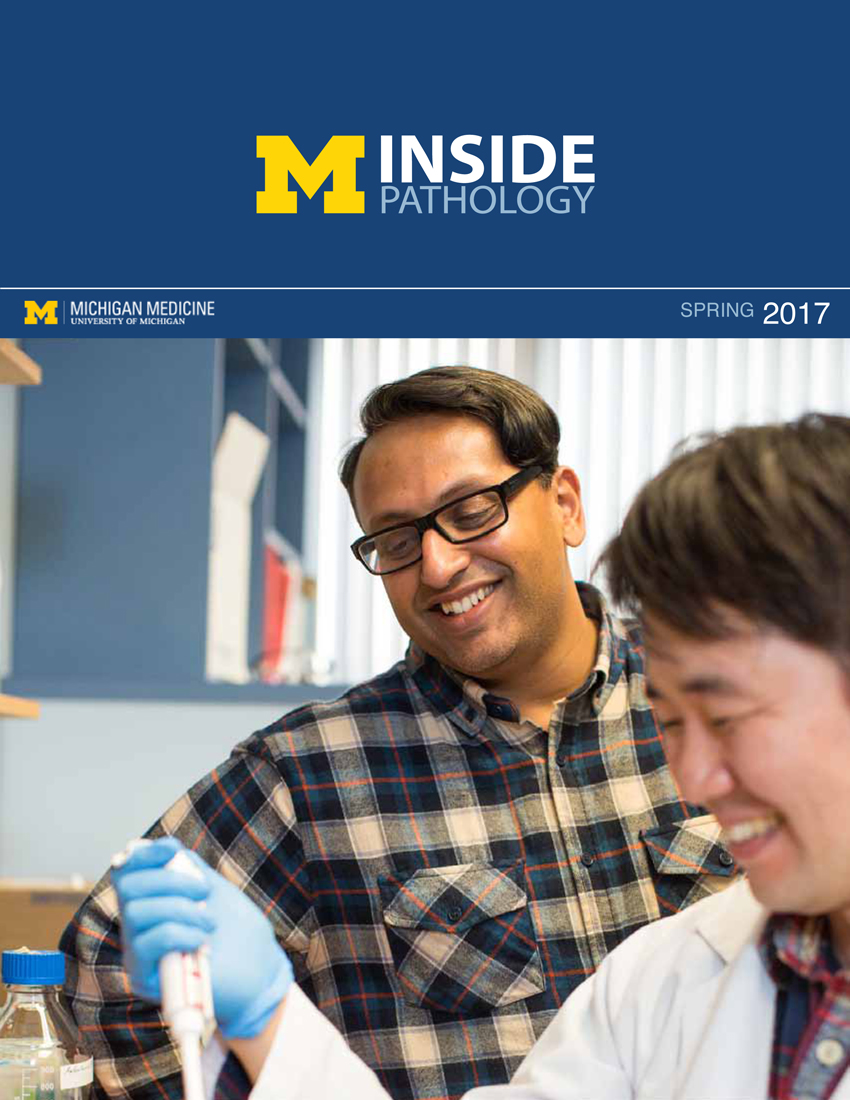 ON THE COVER
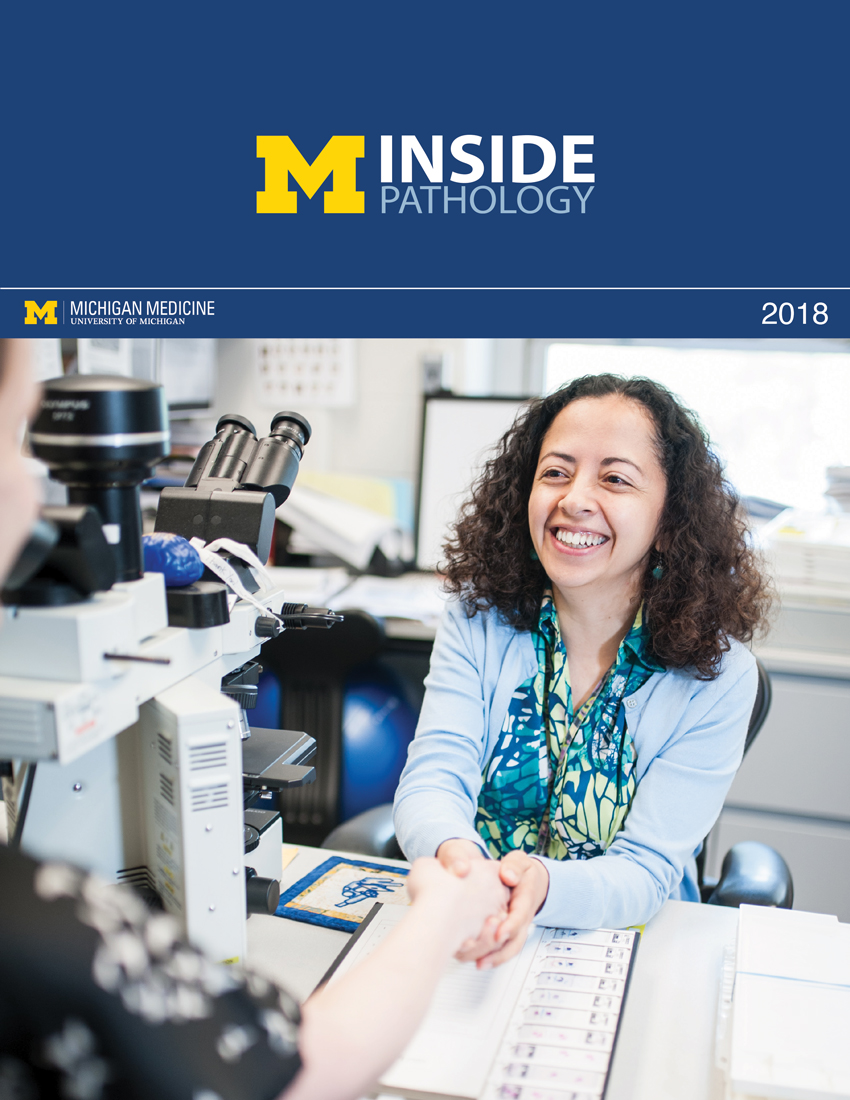 ON THE COVER
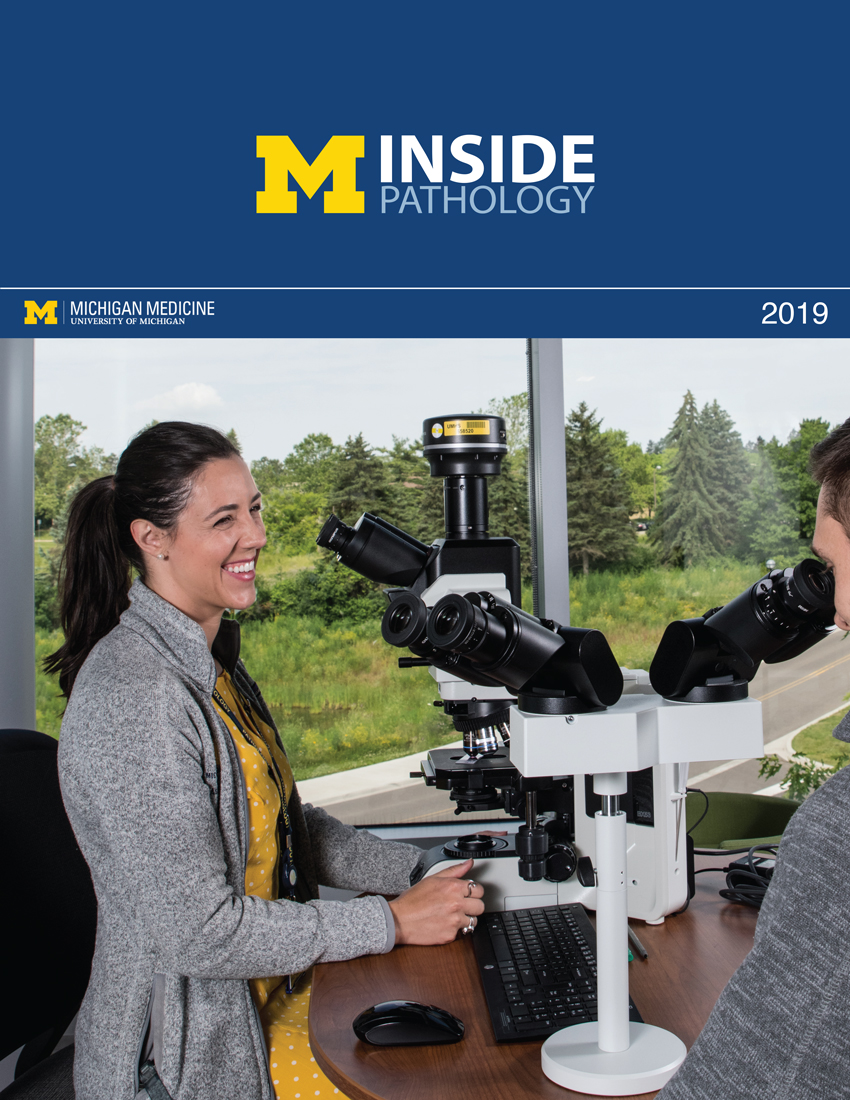 ON THE COVER
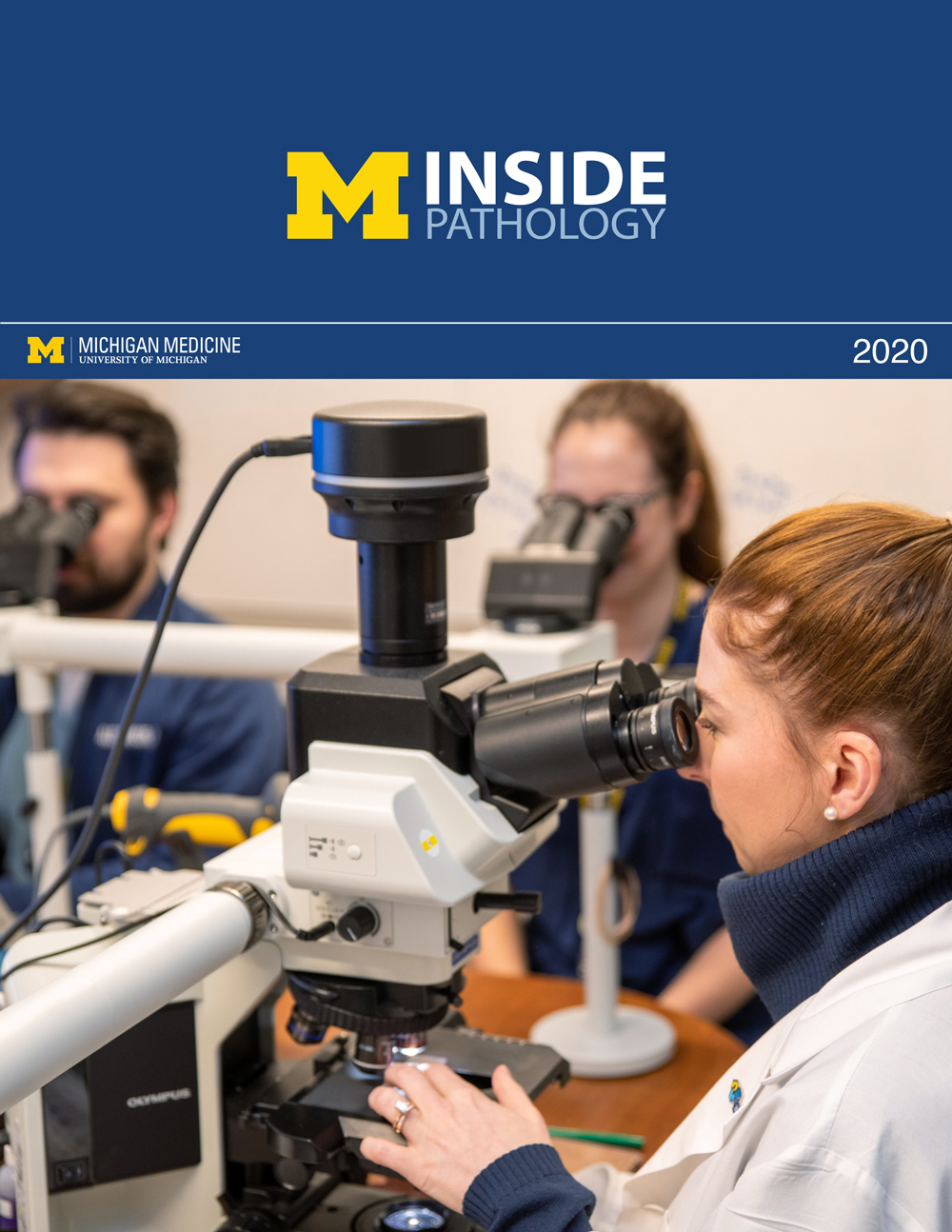 ON THE COVER
 ON THE COVER
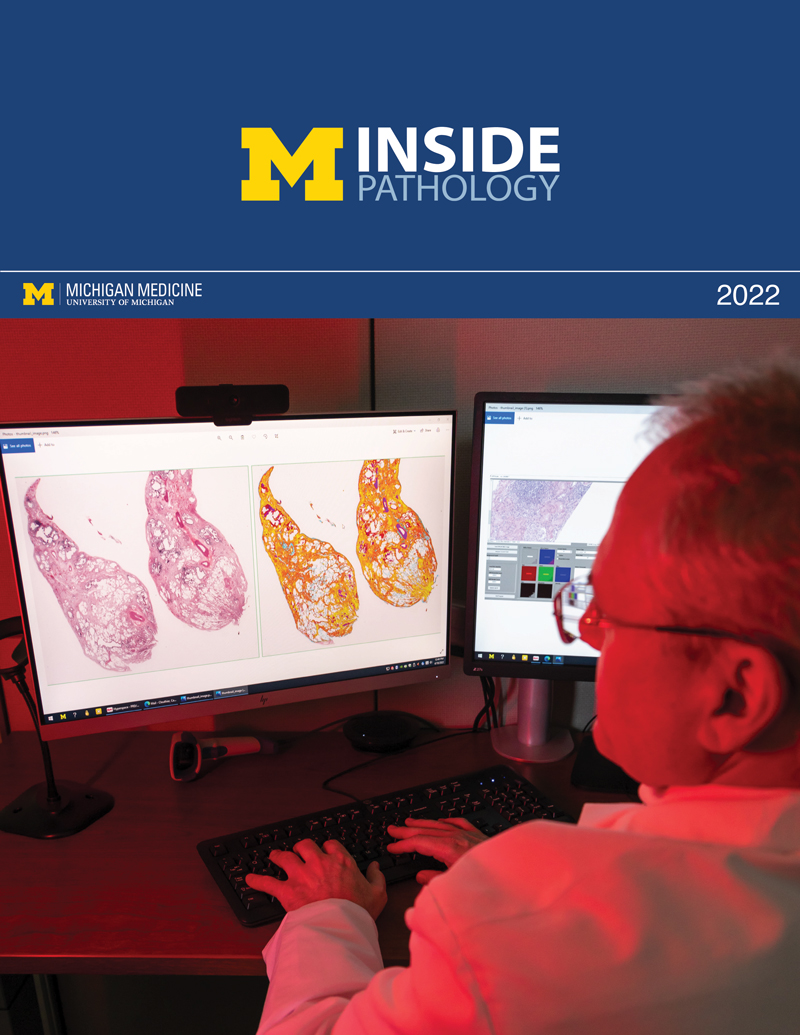 ON THE COVER
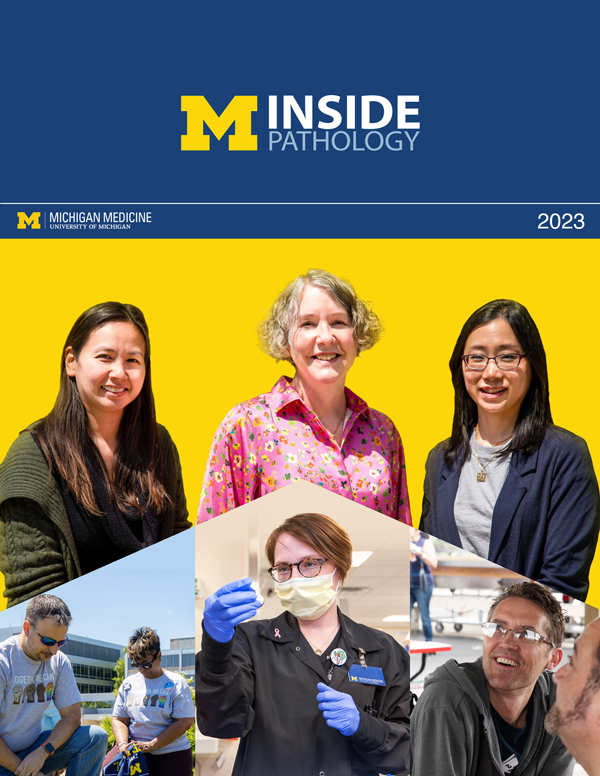 ON THE COVER
 ON THE COVER
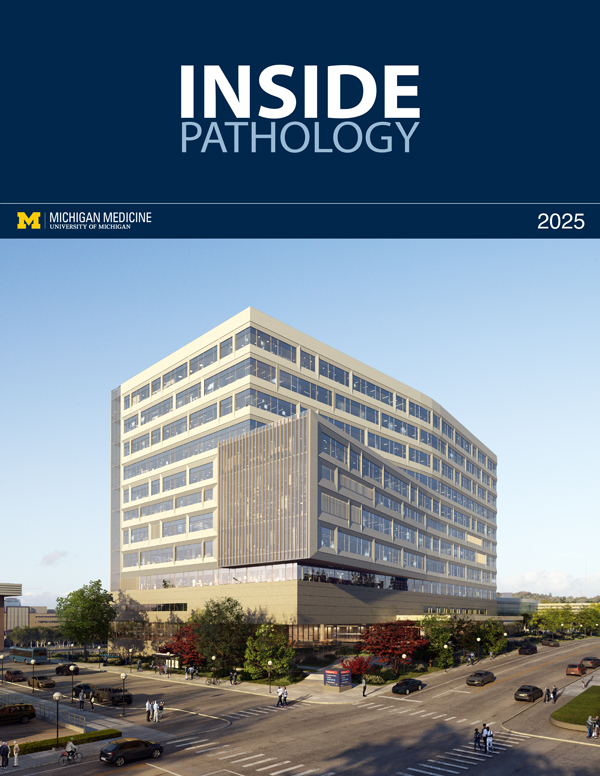 ON THE COVER